
Brian Armstrong Urges Senate Banking Committee To Advance CLARITY Act Crypto Market Structure Bill
Key Takeaways
- Senate Banking Committee released a 309-page CLARITY Act draft ahead of May 14 vote.
- Markup on crypto market structure scheduled for May 14, 2026.
- Draft text released ahead of hearing, signaling ongoing negotiations among lawmakers.
Armstrong heads to Senate
Coinbase CEO Brian Armstrong is set to address the Senate to advocate for a crypto market structure bill, as Washington continues to wrestle with how to regulate digital assets for tens of millions of American users.
Armstrong’s push comes after he publicly pulled Coinbase’s support on January 15 for the Senate Banking Committee’s draft, arguing the proposed language would hand too much power to large banks and undermine competition in the digital asset space.
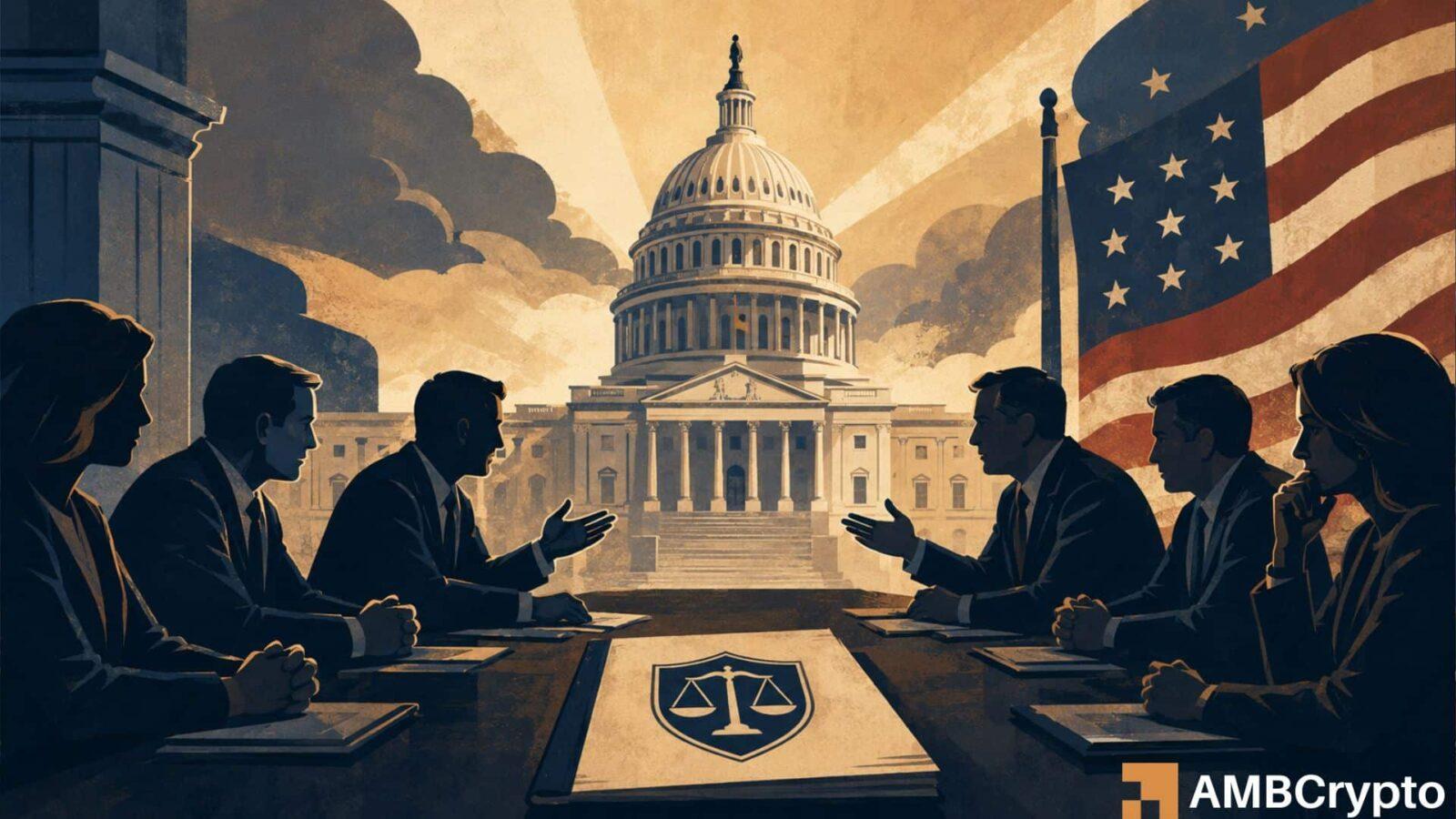
In describing the stakes, Armstrong told FOX Business and CNBC that the bill’s provisions were “deeply unfair,” and he framed the fight in populist terms by citing 52 million US crypto users whose interests he said the bill would undermine.
The legislation he is now backing would establish a formal regulatory framework by defining which tokens qualify as securities versus commodities, creating registration pathways for exchanges and other crypto businesses, and setting consumer protection standards.
The bill’s outcome, Armstrong argued, could determine whether the United States becomes a welcoming jurisdiction for digital asset innovation or whether that activity migrates to more accommodating regulatory environments overseas.
CLARITY text and ethics
The Senate Banking Committee released the latest version of the CLARITY Act as a 309-page draft ahead of a committee hearing scheduled for May 14, with the text published just after midnight on Tuesday.
Committee Chairman Tim Scott said the bill “delivers the certainty, safeguards, and accountability Americans deserve,” and he framed it as putting consumers first, combating illicit finance, cracking down on criminals and foreign adversaries, and keeping the future of finance in the United States.
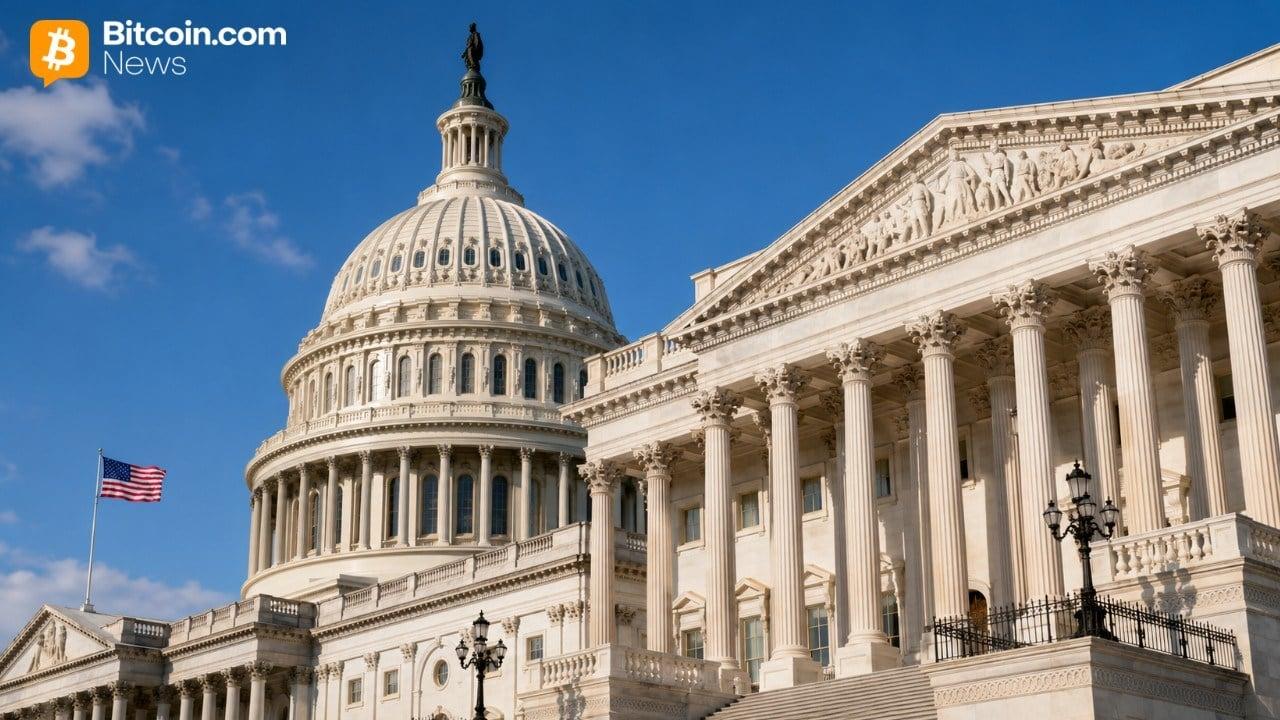
But Democrats tied their support to ethics language, with Senator Kirsten Gillibrand saying last week at Consensus Miami 2026 that Democrats “won’t allow the bill to move without such a section,” while White House crypto adviser Patrick Witt said the rules should apply “across the board, from the president all the way down to the brand new intern on Capitol Hill.”
The draft also kept disputed stablecoin-yield provisions, and it did not include a conflict-of-interest restriction for public officials, leaving that issue to be addressed separately.
The bill’s path forward still depends on committee action and later reconciliation, with the draft needing support from some Democrats and at least 60 votes for final passage.
Stablecoin yield and SEC/CFTC
As the CLARITY Act moves toward a formal vote on May 14, the updated 309-page draft is described as drawing a legal dividing line between the SEC and the CFTC, with the SEC regulating new token sales and initial offerings and the CFTC overseeing all secondary trading.
The bill’s stablecoin-yield framework is central to the negotiations, and it includes a commitment that restricts yields on stablecoins that function like bank-deposit interest while leaving room for “good-faith activities.”
Coinbase CEO Brian Armstrong said in a live event on X that “Not everyone got everything they wanted, but they got the must-haves,” and he said his company is working with at least five of the largest global banks to integrate crypto.
Cointelegraph reported that some Senate Democrats, including Kirsten Gillibrand, said they would not vote for market structure on the floor without clear provisions on ethics to address potential conflicts of interest, even as the stablecoin compromise advanced.
If the committee approves the bill on May 14, it would move to a full Senate vote before the end of 2026, but the process still hinges on resolving remaining amendments and negotiations ahead of final passage.
More on Crypto

Donald Trump Threatens 100% Tariff on Countries Levying Digital Services Tax on American Companies
11 sources compared

Oman Warns Allies Ships Through Strait Of Hormuz May Face Transit Fees
12 sources compared
Financial Platforms Integrate Digital Assets, Blockchain Infrastructure, And Stablecoin Services Into Mainstream Finance
11 sources compared
Trump Orders Federal Agencies To Migrate To Post-Quantum Cryptography By 2030
14 sources compared