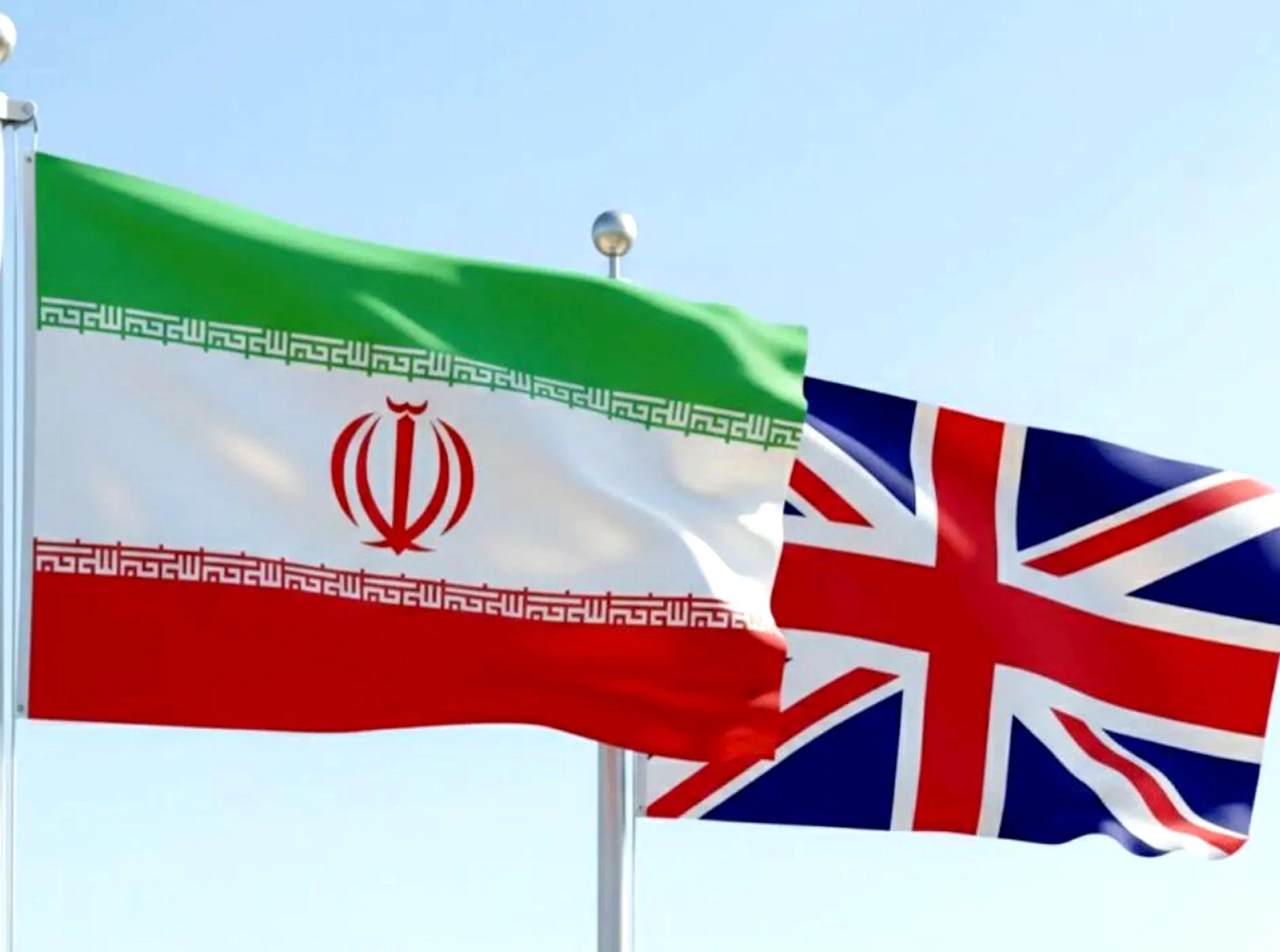
Britain Summons Iran’s Ambassador in London Over Unacceptable Inflammatory Embassy Social Media Posts
Key Takeaways
- UK summoned Iran's ambassador to London after embassy posts labeled unacceptable and inflammatory.
- Embassy posts invited Iranians in the UK to join a 'Sacrifice for the Homeland' campaign.
- Foreign Office demanded the embassy stop posts encouraging violence.
Summons Over Embassy Posts
Britain summoned Iran’s ambassador to London after what the British government described as “unacceptable and inflammatory comments” posted by the Iranian Embassy on social media.
“Britain summoned Iran's ambassador in London to the Foreign Ministry”
The Foreign, Commonwealth and Development Office said the Minister for the Middle East, Hamish Falconer, “summoned the Ambassador of the Islamic Republic of Iran to the United Kingdom” in response to the embassy’s posts.

In the government’s account, Falconer made clear that the embassy’s actions and comments were “completely unacceptable,” and that the Embassy “must cease any form of communications that could be interpreted as encouraging violence in the UK or internationally.”
The New York Times reported that the British government said the summons was in response to “unacceptable and inflammatory comments” posted by the Iranian Embassy on social media, and it described the move as a formal diplomatic tool.
The Independent similarly said Iran’s ambassador to the UK was called in after the embassy posted “unacceptable and inflammatory comments” on social media, describing the intervention as a response to an online message that appeared to recruit Iranian expatriates for martyrdom.
The Jerusalem Post also described the same diplomatic step, saying the UK summoned Iran’s ambassador to London over the government’s “unacceptable and inflammatory” comments on social media, while noting that the British government did not specify which comments it was referring to.
The ‘Sacrifice’ Messaging
Multiple reports tied the British summons to an Iranian Embassy message that invited Iranians living in Britain to register for a campaign framed around sacrifice.
The New York Times said Iran’s embassy in London posted a statement on its Telegram channel inviting Iranians living in Britain to register for what it described as “Sacrifice for the Homeland” campaign, and it quoted the embassy’s encouragement for “all proud sons and daughters of Iran” to “demonstrate unity, loyalty, and national pride in a unified framework.”
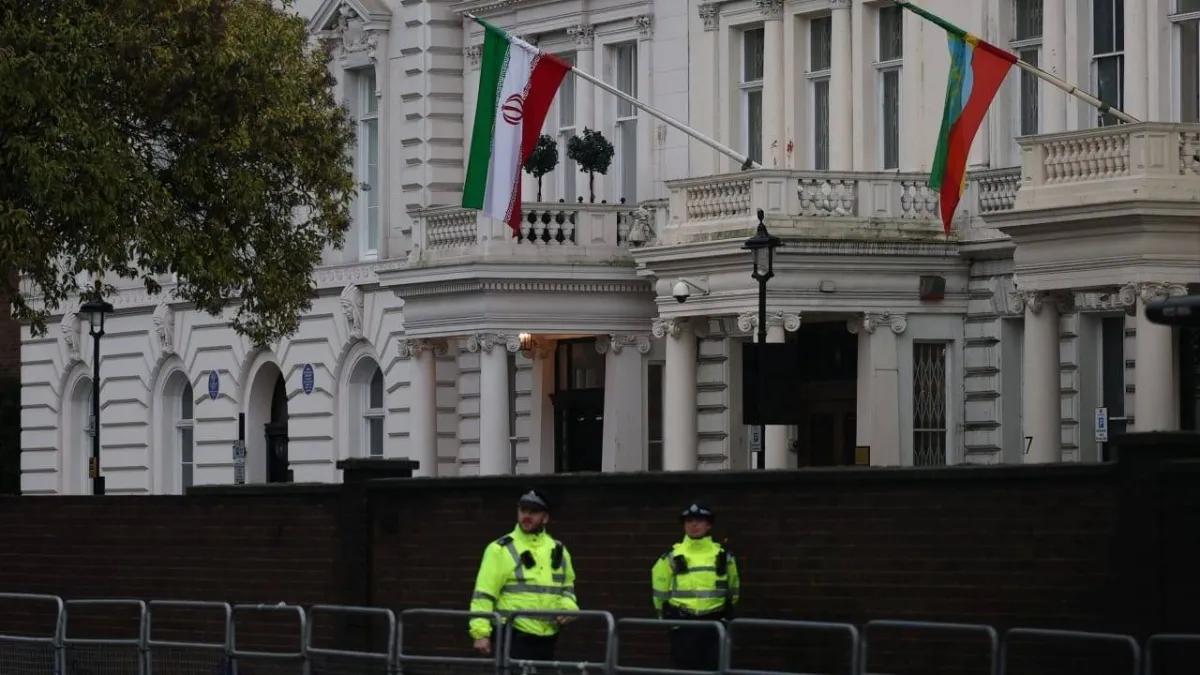
The Independent described a similar Telegram message reported by Metro, saying it urged the country’s diaspora in the UK to “sacrifice their lives for the homeland” and “lay down our lives” to “defend Iranian land,” and it included the line: “Let us all, one and all, give our lives in battle. Rather than surrender our country to the enemy.”
The Jerusalem Post said the summoning came after the Iranian embassy posted a statement on its Telegram channel calling on Iranians in Britain to volunteer for a campaign to declare their willingness to sacrifice their lives in a war in defense of their country, and it quoted: “Let us all, one and all, give our lives in battle. Rather than surrender our country to the enemy.”
The Independent also reported that the embassy’s profile on X posted comments about the US-Israeli attacks on Iran, including a post that appeared to suggest Israel was a “fake country,” and it quoted a message about the Jashak salt dome: “A real country’s salt dome overcomes the iron dome of fake countries.”
The Economic Times said Britain demanded Iran stop posting “sacrifice” calls on embassy sites and described the embassy’s urging of citizens to join a “self-sacrifice for the homeland” campaign.
Britain’s Security Rationale
In Britain’s explanation for the summons, officials framed the step as part of protecting national security and countering communications that could be interpreted as encouraging violence.
“The Foreign, Commonwealth and Development Office has today summoned the Ambassador of the Islamic Republic of Iran to the United Kingdom The Foreign, Commonwealth and Development Office has today summoned the Ambassador of the Islamic Republic of Iran to the United Kingdom”
The GOV.UK statement said the Minister for the Middle East, Hamish Falconer, made clear that the embassy’s actions and comments were “completely unacceptable,” and that the Embassy “must cease any form of communications that could be interpreted as encouraging violence in the UK or internationally.”
The same statement added that “Iran’s brutal and repressive regime will continue to be called out by the UK Government for its malign activities on UK soil,” and it said the UK Government is “clear that protecting national security remains our top priority.”
The Independent quoted the Foreign Office’s position that the minister condemned these “completely unacceptable actions” and said the embassy must cease communications that could be interpreted as encouraging violence in the UK or internationally.
The Asharq Al-Awsat report said the Foreign Office move came in protest against what London considered “unacceptable behavior” by the Iranian diplomatic mission, and it described the publications as inflammatory content that threatened diplomatic relations.
The Anadolu Ajansı report described a different rationale in a separate context, saying UK Foreign Secretary Yvette Cooper announced the Iranian ambassador had been summoned to provide an explanation due to “ongoing protests in Iran” and “reported casualty figures,” and it quoted Cooper’s concern that “what we hear may not be enough to reveal the true scale of this tragedy.”
Crisis Committee and Planning
Beyond the diplomatic summons, the Independent reported that Prime Minister Sir Keir Starmer chaired a meeting of the crisis committee set up to respond to the Iran war, with the Middle East Response Committee considering contingency plans for the war’s impact on the economy, public services and domestic security.
The Independent said ministers at the meeting included Chancellor Rachel Reeves, Health Secretary Wes Streeting, Transport Secretary Heidi Alexander, Energy Secretary Ed Miliband and Chief Secretary to the Prime Minister Darren Jones.
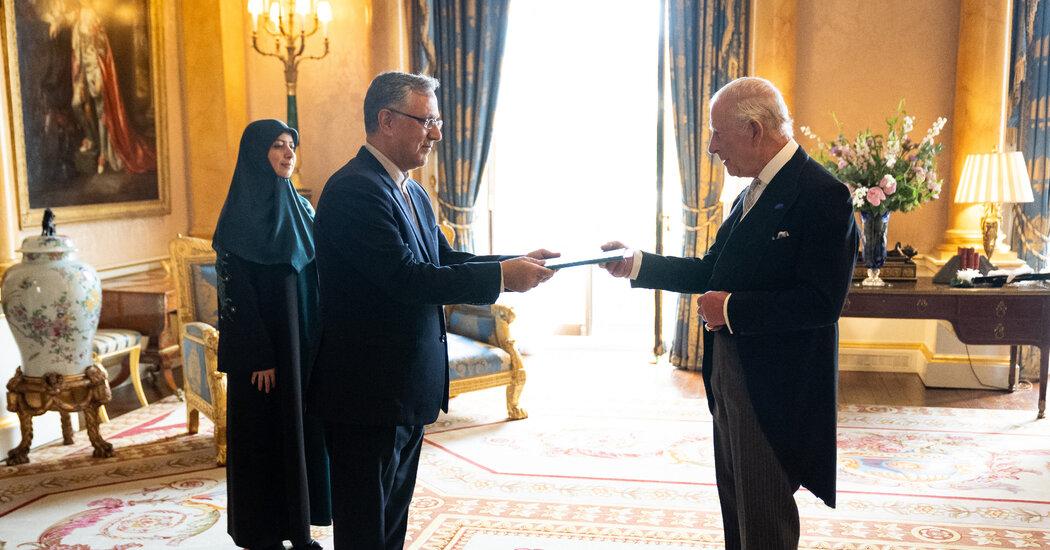
The Independent quoted the Prime Minister’s official spokesman saying: “We are ramping up planning for all different potential impacts on the UK economy and consumers and that means focusing on live monitoring of stock levels and what plans are in place for addressing supply chain disruption.”
When asked if the presence of Mr Streeting indicated concern about the supply of medicine, the spokesman said: “We’re monitoring the situation closely, and we have robust and well-established processes in place to manage any potential disruption across the health and social care sector to protect patients.”
The spokesman continued that the approach includes “holding buffer stocks, procuring alternative products where necessary, and processes to respond to sudden market increases, including adjusting reimbursement prices as required.”
The Independent also reported that after the meeting, a Downing Street spokesperson said the Chancellor told the committee that any support for households must be “targeted” and avoid any “lasting impact on interest rates”.
Divergent Reporting and Additional Claims
While the core diplomatic action is described consistently across outlets, the details of what prompted it and what else was happening around it vary in the reporting.
“Britain's foreign ministry summoned Iran's ambassador”
The Independent tied the summons to a message reported by Metro on the embassy’s Telegram channel that urged Iranian expatriates for martyrdom, and it quoted the Foreign Office’s statement that the minister condemned “completely unacceptable actions.”

The New York Times reported that the embassy statement was unclear about what might be asked of Iranians who volunteered, and it added that the Iranian Embassy in London issued a statement saying it “strongly rejects” the suggestion that it had called for any violence abroad.
The Jerusalem Post said the British government did not specify which of the embassy’s social media comments it was referring to, while it also described additional Iranian embassy recruitment efforts in Germany, Austria, and Sri Lanka.
The Economic Times said the UK demanded Iran stop posting “sacrifice” calls on embassy sites and described the campaign as beginning during the US-Iran war, adding that “Millions have reportedly registered to defend Iran.”
Anadolu Ajansı said Yvette Cooper summoned the ambassador due to “ongoing protests in Iran” and “reported casualty figures,” while Asharq Al-Awsat said Iranian officials in Tehran could not be immediately reached for comment.
More on Britain

King Charles III Begins Four-Day U.S. State Visit, Meets Donald Trump and Melania Trump
12 sources compared

King Charles III and Queen Camilla Arrive in the United States for Trump-Hosted State Visit
11 sources compared

Keir Starmer Wins Commons Vote Against Mandelson Inquiry After 335-223 Split
28 sources compared

Claire’s Shuts All 154 UK And Ireland Stores, Leaving 1,300 Employees Redundant
10 sources compared