
Keir Starmer Wins Commons Vote Against Mandelson Inquiry After 335-223 Split
Key Takeaways
- Parliament voted to block a parliamentary inquiry into Starmer over Mandelson vetting.
- Starmer avoids an ethics inquiry but faces ongoing scrutiny and political costs within Labour.
- The row centers on Mandelson's Washington ambassador appointment and Starmer's vetting handling.
Mandelson Appointment Fight
Britain’s political fight over Keir Starmer’s choice of Peter Mandelson as British ambassador to Washington reached a decisive parliamentary vote on Tuesday, when the House of Commons rejected a move to refer Starmer to a parliamentary standards investigation.
The Washington Post said Starmer “averted a parliamentary inquiry” over his choice of Mandelson, but “failed to quell questions about whether he bent the rules” to make the appointment.

The BBC similarly reported that Starmer “won the vote pretty comfortably with a clear majority of MPs rejecting the idea that he should be referred to a parliamentary committee for investigation.”
The Washington Examiner put the vote in stark terms, saying Labour blocked the motion with a “335 to 223 vote, quashing the referral.”
GB News also gave the same figures, stating “MPs voted 335 against the inquiry, while 223 members voted in favour of investigation by the Privileges Committee.”
In the background of the parliamentary process, the Washington Post described a former senior official who “could not confirm that ‘due process’ was followed” when Mandelson—described as “a friend of Jeffrey Epstein”—was given the diplomatic job despite “failing security checks.”
The BBC framed the day as high-stakes for Westminster, noting that “No 10 expended considerable political capital in keeping its troops onside,” even though the government avoided the inquiry.
Due Process, Vetting, Pressure
The dispute centers on whether Starmer’s office ensured “due process” in the vetting and appointment of Peter Mandelson as US ambassador, despite concerns that Mandelson “fail[ed] security checks.”
The Washington Post said a former senior official “could not confirm that ‘due process’ was followed” when Mandelson was given the job despite failing security checks, and it added that Mandelson was “a friend of Jeffrey Epstein.”
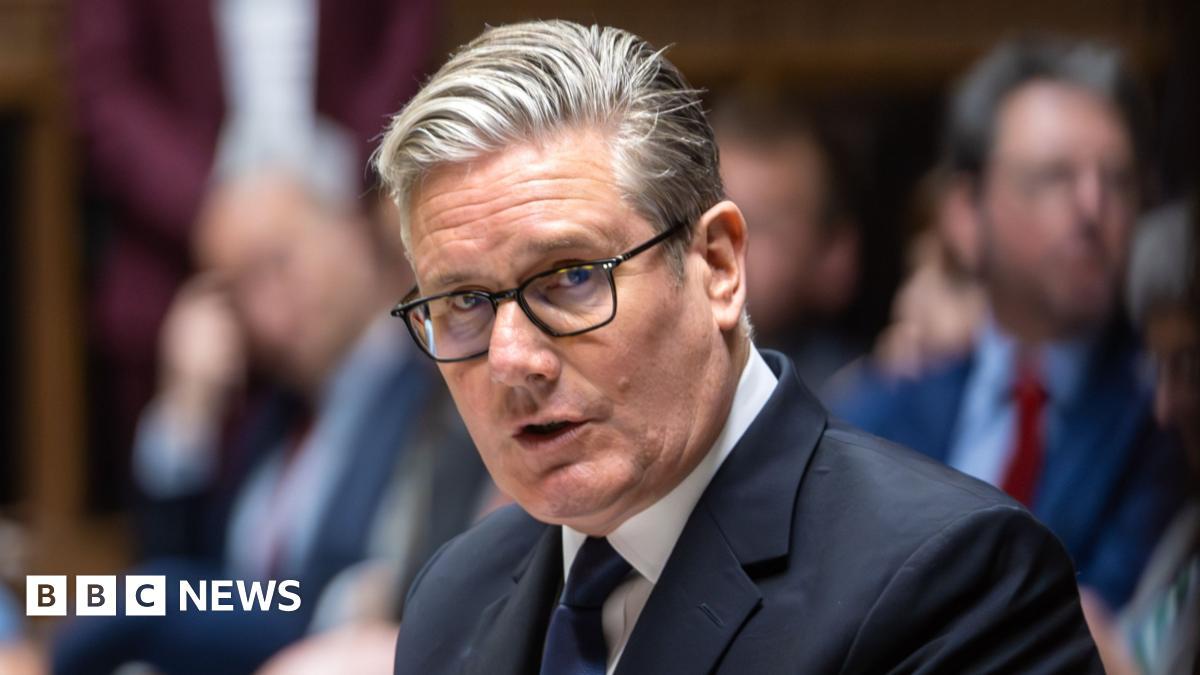
The Associated Press report carried by PBS described the same core question, saying a former senior official “could not confirm that ‘due process’ was followed” when Mandelson “was given the key diplomatic job despite failing security checks.”
PBS also introduced the internal timeline and the pressure narrative, quoting Philip Barton, “who was top civil servant in the Foreign Office when the choice of Mandelson was announced in December 2024,” saying, “I was presented with a decision and told to get on with it,” and that “The prime minister had been made aware of the risks and had accepted the risks.”
The Guardian added that on the day of the vote, Starmer’s former chief of staff Morgan McSweeney and Sir Philip Barton “prompted yet more questions over how much pressure had been put on officials to accelerate Mandelson’s posting to Washington.”
The Guardian further quoted McSweeney’s distinction between speed and standards, saying: “There is a real difference between asking people to act at pace and asking people to lower standards.”
The PBS report also said Starmer fired Mandelson in September after new details emerged about the ambassador’s friendship with Epstein, and it described police opening an investigation into Mandelson in February over allegations that he passed sensitive government information to Epstein in 2009.
Reactions and Accusations
Reactions to the vote and to the underlying Mandelson controversy came from multiple political and official voices, with critics focusing on alleged deception and supporters emphasizing process.
The Washington Examiner quoted a 10 Downing Street spokesperson defending the government’s position, saying, “The Conservative Party resorted to this desperate political stunt the week before the May elections because they have no answers on the cost of living or the NHS.”
It also reported that Conservative Party Leader Kemi Badenoch accused Labour of procedural coercion, saying “being whipped today to exonerate him before the facts have even been tested.”
The same outlet quoted Labour backbencher Emma Lewell protesting the handling of the vote, saying, “The fact that MPs like me are being whipped into voting against this motion is, in my view, wrong,” and adding, “It has played into the terrible narrative that there is something to hide and good decent colleagues will be accused of being complicit in a cover-up.”
The BBC described the parliamentary atmosphere as tense, saying there was “particular anger at the fact Downing Street had whipped its MPs,” and it quoted a Labour backbench claim that backbenchers could be accused of being complicit in a “cover-up.”
GB News quoted Commons speaker Sir Lindsay Hoyle responding to heckling, saying: “When other members are shouting ‘shame’ when they’re voting, it is not acceptable and it will not be tolerated.”
The Guardian reported that after Downing Street deployed its full weight to force Labour MPs to block a referral, “some angrily accused Starmer of leaving them facing accusations of a ‘cover-up’.”
Divergent Framing Across Outlets
While all the reports describe the same parliamentary outcome, they diverge in how they frame what the vote means for Starmer’s credibility and political standing.
The BBC emphasized that Starmer “won the vote pretty comfortably” but warned that “this was not a victorious moment,” describing the government’s effort to keep MPs aligned as a sign that “Downing Street doesn’t feel it can automatically count on the loyalty of its own MPs.”
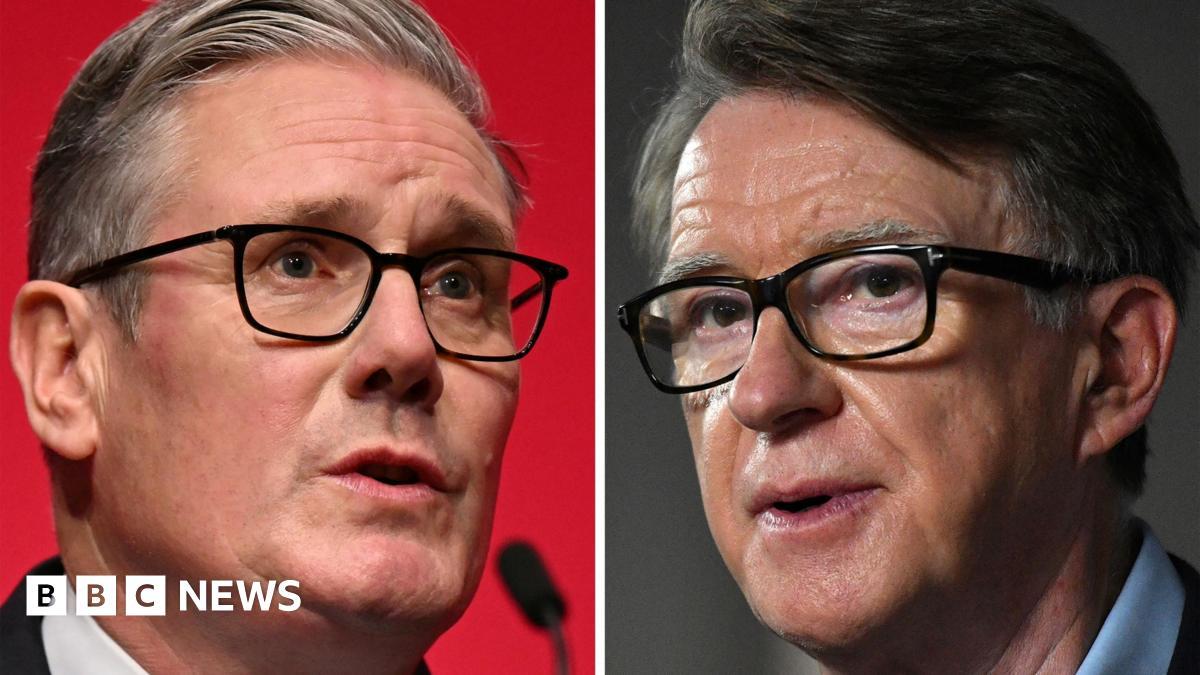
The Washington Examiner, by contrast, foregrounded the narrow avoidance of an inquiry and the political stakes, saying Starmer “is beating back rival parties’ attempts to drag him back into the mud of the Mandelson affair,” and it highlighted the vote count “335 to 223.”
The Washington Post focused on the unresolved questions, stating Starmer “failed to quell questions about whether he bent the rules” and centering the former official who “could not confirm that ‘due process’ was followed.”
PBS, carrying Associated Press, framed the story as averted ethics scrutiny but ongoing questions, saying Starmer “averted a parliamentary inquiry” yet “failed to quell questions about whether he bent the rules,” and it included the internal account from Philip Barton that he was “told to get on with it.”
GB News framed the vote as a dodge, saying Starmer “DODGES investigation” and describing the government as whipping Labour MPs to block the probe, while also quoting Commons speaker Sir Lindsay Hoyle’s warning about heckling.
The Independent argued that even though Starmer’s majority protected him from a “difficult and protracted inquiry,” it would come “at a cost” in elections on “7 May,” and it warned about “precedent” after Boris Johnson’s case.
Next Steps and Political Stakes
The vote’s immediate effect was to block a Privileges Committee referral, but multiple reports describe continuing processes and looming electoral consequences.
“- Published There can be moments of high jeopardy in Parliament when Westminster holds its breath to await the outcome of a crucial debate that could determine a government's future”
The Guardian said the scandal was “likely to raise its head once more next month” after the intelligence and security committee (ISC) announced it had finished reviewing key government documents, and it noted that “Downing Street was taking temporary relief from the failure of a vote.”
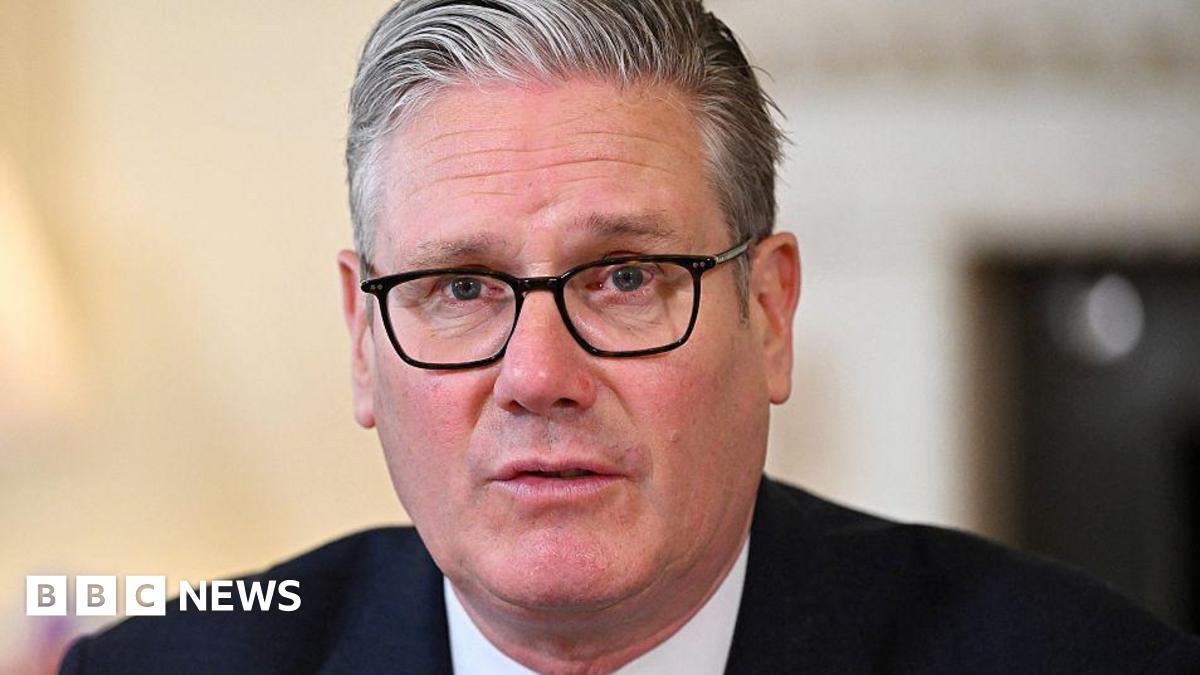
GB News reported that the ISC had announced completion of its review of “files relating to the appointment of Lord Mandelson,” and it said the committee had gone through “all documents which the government has referred to it,” while also adding that “there are documents which the government has not yet referred to the committee because they are subject to the ongoing investigation by the Metropolitan Police.”
GB News also said the government was being forced to publish all documents “bar those deemed harmful to the UK” as part of a “humble address” brought by the Conservatives.
The Independent explicitly linked the vote to electoral timing, saying it would “play out in the local and devolved elections on 7 May,” with the faces of Labour MPs who voted “to stop the inquiry” likely appearing on campaign materials.
PBS added that Starmer could face a new challenge if Labour takes “a hammering in May 7 local and regional elections,” which it said would give voters a chance to pass a midterm verdict.
Even beyond Parliament, the Guardian reported a further disclosure involving Christian Turner, saying he told students that “The moment I would look to is the May elections,” and that “If Labour does very badly … I suspect the party will be able to go over that threshold and remove him.”
More on Britain
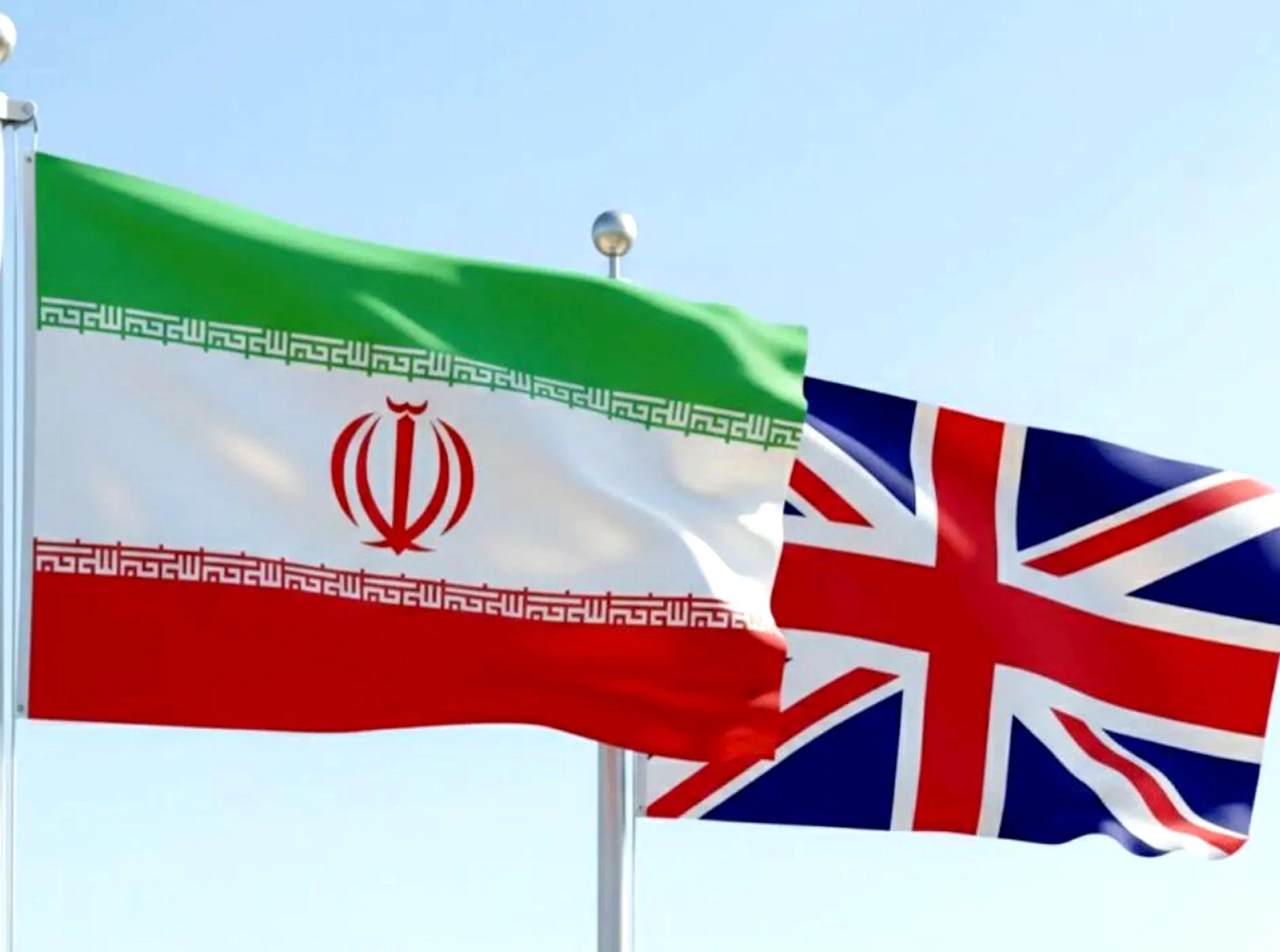
Britain Summons Iran’s Ambassador in London Over Unacceptable Inflammatory Embassy Social Media Posts
10 sources compared

King Charles III Begins Four-Day U.S. State Visit, Meets Donald Trump and Melania Trump
12 sources compared

King Charles III and Queen Camilla Arrive in the United States for Trump-Hosted State Visit
11 sources compared
Claire’s Shuts All 154 UK And Ireland Stores, Leaving 1,300 Employees Redundant
10 sources compared