British Army Parachutes Team Onto Tristan Da Cunha To Treat Suspected Hantavirus Patient
Key Takeaways
- British Army medics parachuted onto Tristan da Cunha to treat a Briton with suspected hantavirus.
- Parachuted team delivered medical aid to remote UK territory's resident with suspected hantavirus.
- Two Britons confirmed with hantavirus; a third suspected case identified.
Parachute aid on Tristan
A British Army specialist team parachuted onto Tristan da Cunha after a British national on the remote island was hospitalised with hantavirus symptoms, following his time aboard the cruise ship MV Hondius.
The Ministry of Defence said the operation involved six paratroopers, an RAF consultant, and an Army nurse from 16 Air Assault Brigade, with oxygen and medical supplies air-dropped because Tristan da Cunha has no airstrip and is accessible only by boat.

The Independent reported that the MV Hondius was linked to a hantavirus outbreak that had resulted in three deaths, and that the World Health Organization (WHO) confirmed eight hantavirus cases linked to the outbreak, including three deaths.
WHO also confirmed that three British nationals were affected, with two hospitalised in South Africa and the Netherlands and the third on Tristan da Cunha, while British passengers from the MV Hondius were to be repatriated to the UK for isolation and testing at Arrowe Park Hospital in Merseyside.
The Citizen Digital account said the urgent response came after UKHSA confirmation on Friday of a suspected infection in a British national on the island, and described the drop as a “daring parachute drop” with oxygen supplies air-dropped almost simultaneously.
Officials praise, logistics detailed
Foreign Secretary Yvette Cooper paid tribute to the armed forces for an “extraordinary operation,” while Armed Forces Minister Al Carns said the mission had been carried out in “incredibly challenging circumstances” with “the utmost professionalism and composure under pressure”.
The BBC said the British man left MV Hondius in mid-April and first reported symptoms two weeks after leaving the vessel, and it described him as in a stable condition while isolating on Tristan da Cunha.
The BBC also reported that oxygen was dropped from an RAF A400M on Saturday with supplies at a “critical level” on the island, and that a team of six paratroopers and two medical clinicians from 16 Air Assault Brigade parachuted in to help the island’s two-person medical team.
Sky News said the operation was the first time medical personnel had been parachuted for humanitarian support, and it described the island as having average winds often over 25mph that made conditions difficult for the paratroopers.
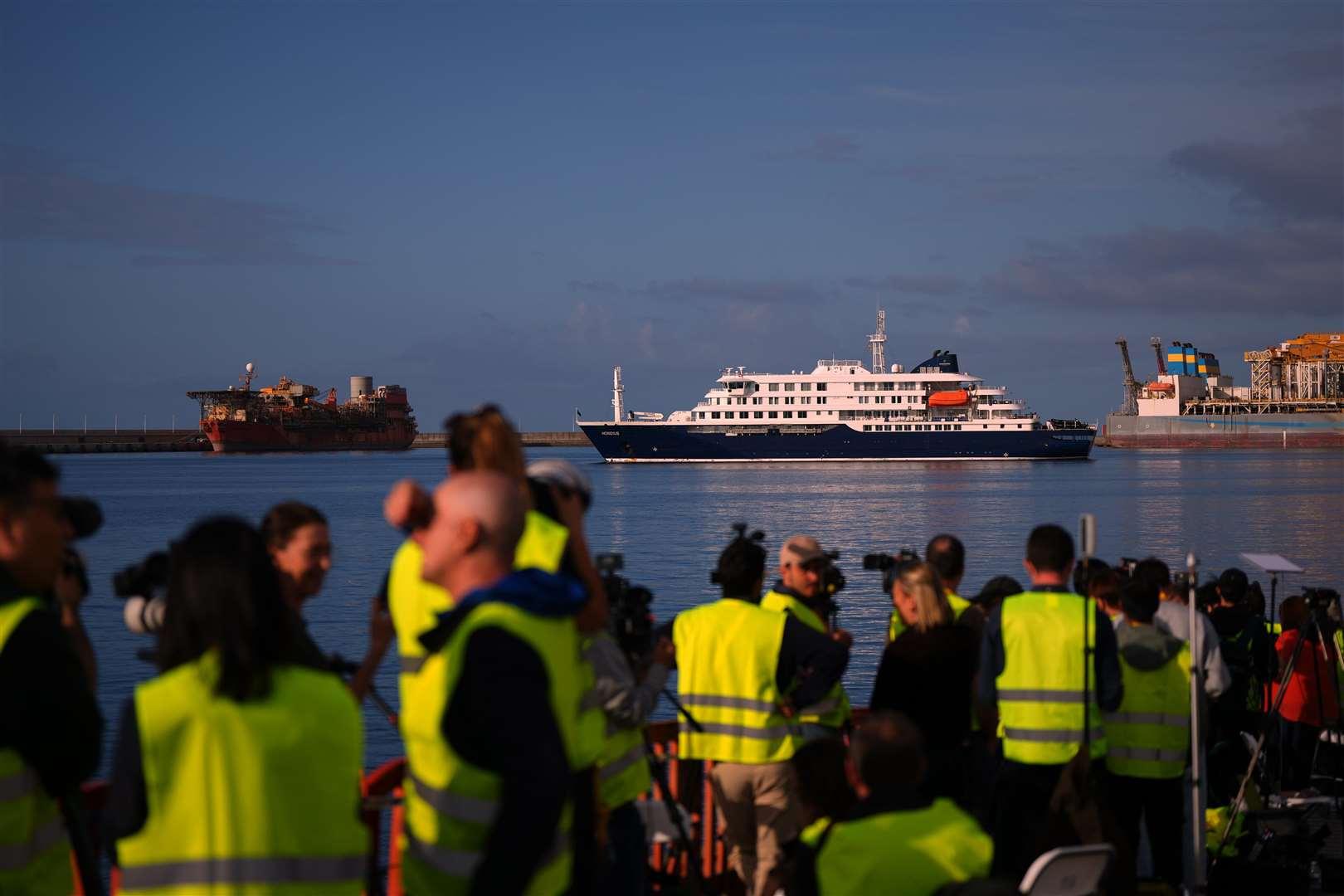
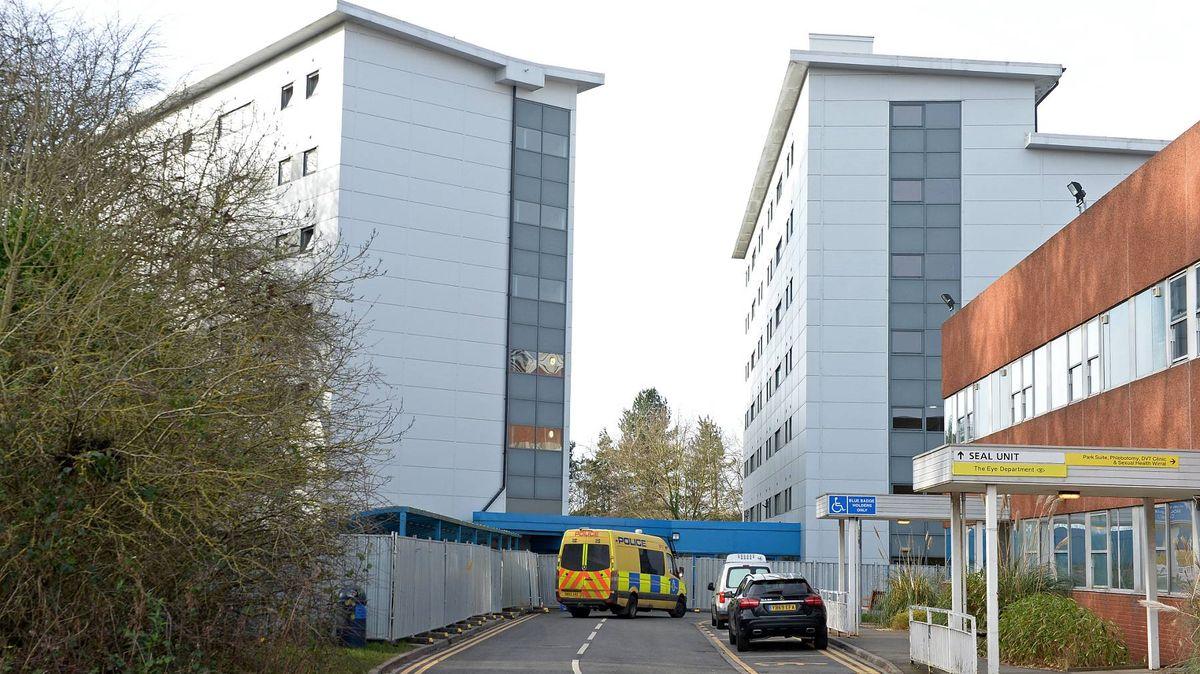
In Tenerife, the Advertiser and Times reported that the MV Hondius arrived on Sunday morning and that Spain began evacuations by nationality, with UKHSA saying 22 British passengers and crew would be transferred to an isolation facility at Arrowe Park Hospital on the Wirral, Merseyside.
Cases, isolation, and risk
The outbreak linked to MV Hondius was described as having three deaths, with WHO confirming eight cases including three deaths, and the BBC adding that three people had died in the outbreak including two confirmed to have had hantavirus.
The BBC said the WHO confirmed six cases and that there were two with suspected hantavirus, which included the British man on Tristan da Cunha, while it reported that the two British nationals with confirmed cases were being treated in the Netherlands and South Africa.
For the repatriation phase, the BBC said the remaining 22 British passengers were due to fly home from Tenerife on a charter flight and would be taken to Arrowe Park Hospital in Wirral, Merseyside, to isolate for 45 days under monitoring by UKHSA and tested as needed.
The Independent reported that British passengers being repatriated to the UK would undergo testing for hantavirus upon arrival in Tenerife, and those testing negative would be flown to the UK for precautionary isolation and further assessment at Arrowe Park Hospital.
The Advertiser and Times said UKHSA reported that the risk to the public “remains very low,” while it also stated that emergency services in the North West of England expected passengers to be kept in a “managed setting” for up to 72 hours.
More on Technology and Science

Spain Evacuates MV Hondius Passengers in Tenerife After Hantavirus Outbreak
14 sources compared

Spain Evacuates Passengers From Dutch-Flagged MV Hondius in Tenerife After Hantavirus Outbreak
23 sources compared
UK Transfers MV Hondius Passengers to Arrowe Park Hospital Isolation Facility in Merseyside
13 sources compared

California Attorney General Rob Bonta Secures $12.75 Million GM Settlement Over Driver Data Sales
10 sources compared