
Carl Nichols Refuses To Block Trump Executive Order Tightening Mail-In Voting Rules
Key Takeaways
- Judge Carl Nichols declined to block Trump's federal voter list and mail-in voting order.
- The ruling preserves implementation steps and allows potential sweeping changes to election administration.
- Decision comes weeks before the midterm elections.
Judge Lets Order Stand
A U.S. judge declined to immediately block President Donald Trump’s executive order tightening rules on mail-in voting, leaving open the possibility that Democrats could challenge it again after further steps are taken to implement the measure.
“A federal judge on Wednesday (May 27) declined to block President Trump's executive order creating a national voter list and restricting mail-in voting, clearing the way for potentially sweeping changes to how American elections are run — just months before the midterm elections”
U.S. District Judge Carl Nichols said the request for a preliminary injunction was premature because the order did not yet change how Americans vote, with federal agencies not yet enacting the new rules called for by the executive order.
Nichols also noted that the government had not yet produced any flawed citizenship lists and that the Postal Service had not yet implemented any new rules, while the executive order gave the Postal Service 60 days to propose new rules to implement the measure.
White House spokeswoman Abigail Jackson called Nichols’ decision “a decisive victory for the rule of law,” and said the Trump administration would continue fighting for the safety and security of American elections.
The dispute centers on Trump’s March 31 order directing the administration to compile a list of confirmed U.S. citizens eligible to vote in each state and to use federal data to help state election officials verify eligibility.
Court Reasoning and Pushback
Nichols’ ruling came as Democrats and civil rights groups argued the executive order was unconstitutional because the power to set election rules belongs to states and Congress, not the president.
In the reasoning quoted by The Associated Press, Nichols wrote that “Plaintiffs may, of course, renew their motions if and when those future actions occur,” and that until then plaintiffs could not show preliminary injunctive relief was warranted.
Nichols also addressed the possibility that the Postal Service might issue a final rule that directly affects plaintiffs or that the government might develop State Citizenship Lists that omit specific individuals due to “particularized flaws.”
Juan Proaño, CEO of the League of United Latin American Citizens, said, “We are ready to resume the fight if and when the administration takes those next steps,” as the legal battle shifted to Boston for a separate lawsuit.
The order’s implementation timeline and agency actions were central to the court’s decision, with Votebeat reporting that Nichols found the Postal Service had not yet acted to implement the president’s order and that plaintiffs could not show they had been harmed in a way that merited immediate intervention.
What’s at Stake Next
The executive order issued on March 31 directs the Department of Homeland Security to work with the Social Security Administration to compile lists of adult U.S. citizens in every state and send those lists to state election officials.
“Nicholas Riccardi, Associated PressNicholas Riccardi, Associated Press Leave your feedback A federal judge has declined to halt President Donald Trump's executive order creating a federal voter list and limiting mail voting, clearing the way for potential sweeping changes in how American elections are run shortly before this year's midterm elections”
It also directs the U.S. Postal Service to develop its own lists of eligible voters and to only deliver mail-in ballots to people on those lists, raising the stakes for voters who could be locked out of voting by mail entirely if left off the list for any reason.
Votebeat reported that the March 31 order would give the U.S. Postal Service sweeping new authority to regulate mail ballots and force major changes to the administration of the midterm elections, while the outcome in court could change once agencies do act.
In Washington, the legal challenge remains pending before Nichols, and a separate case is pending in federal court in Boston, where voting rights groups are seeking to temporarily block the executive order.
The next procedural milestone is tied to the executive order’s instruction that the Postal Service initiate a rulemaking within 60 days of when it was issued, with Votebeat noting that the deadline falls at the end of May.
More on USA

Dallas Fire-Rescue Responds to Gas Leak as Explosion Destroys Oak Cliff Apartment Building
16 sources compared

UC Berkeley–Los Angeles Times Poll Shows Karen Bass, Nithya Raman, Spencer Pratt Locked In Tight Race
11 sources compared
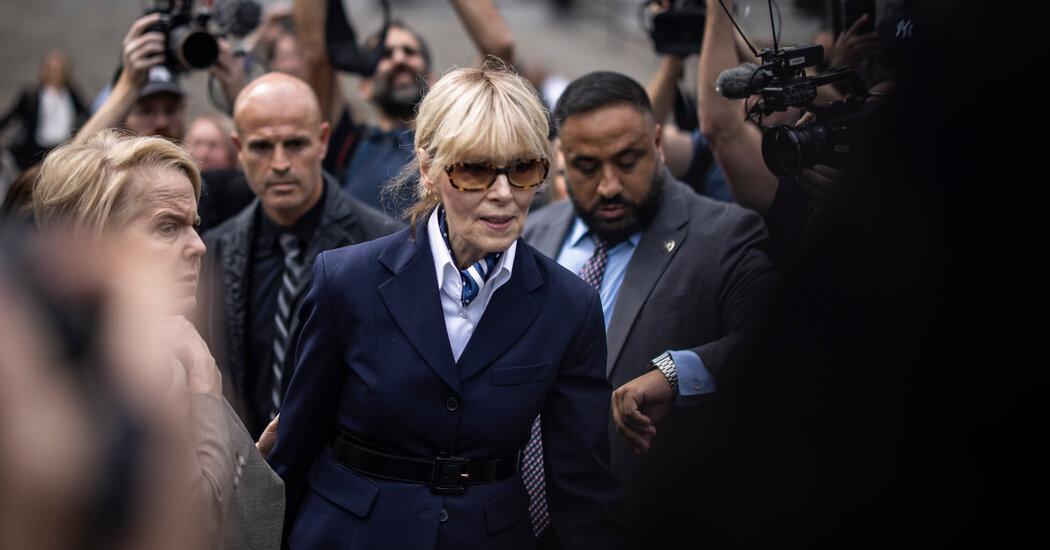
Justice Department Opens Criminal Perjury Probe Into E. Jean Carroll’s Trump Lawsuits
15 sources compared

US Treasury Threatens Oman With Sanctions Over Iran Tolling System in Strait of Hormuz
13 sources compared