%2Fdepartment-of-communications-(dco)%2Fdigital-social-visual-(dsv)%2Fwho-logo-at-headquarters.tmb-1200v.jpg%3Fsfvrsn%3D34ba81d2_6&w=3840&q=75)
CDC Raises Ebola Travel Advisory for DR Congo and Uganda From Watch to Alert
Key Takeaways
- CDC raised Ebola travel advisory for DR Congo and Uganda to alert level.
- South Korea raised Uganda travel alert; Sudanese embassy in Kampala issued warning.
- Americans urged not to travel to Democratic Republic of Congo; US restrictions apply.
Ebola advisory escalates
The Centers for Disease Control (CDC) raised its Ebola travel advisory for the Democratic Republic of the Congo (DR Congo) and Uganda from “watch” to “alert,” urging medical providers to ask patients about their travel and exposure history.
“South Korea issues travel alert for Uganda amid Ebola outbreak Travel ban on Congo to follow as Ebola infections rise Saadet Gokce 21 May 2026•Update: 21 May 2026 Türkiye, İstanbul South Korea on Thursday raised its travel alert for Uganda amid an Ebola outbreak in the region, Yonhap News Agency reported”
The CDC said travelers should “take enhanced precautionary measures” in regions experiencing Ebola outbreaks, and it warned them to avoid touching “blood, bodily fluids or secretions of suspected or confirmed cases” and to maintain proper hand hygiene and respiratory practices.

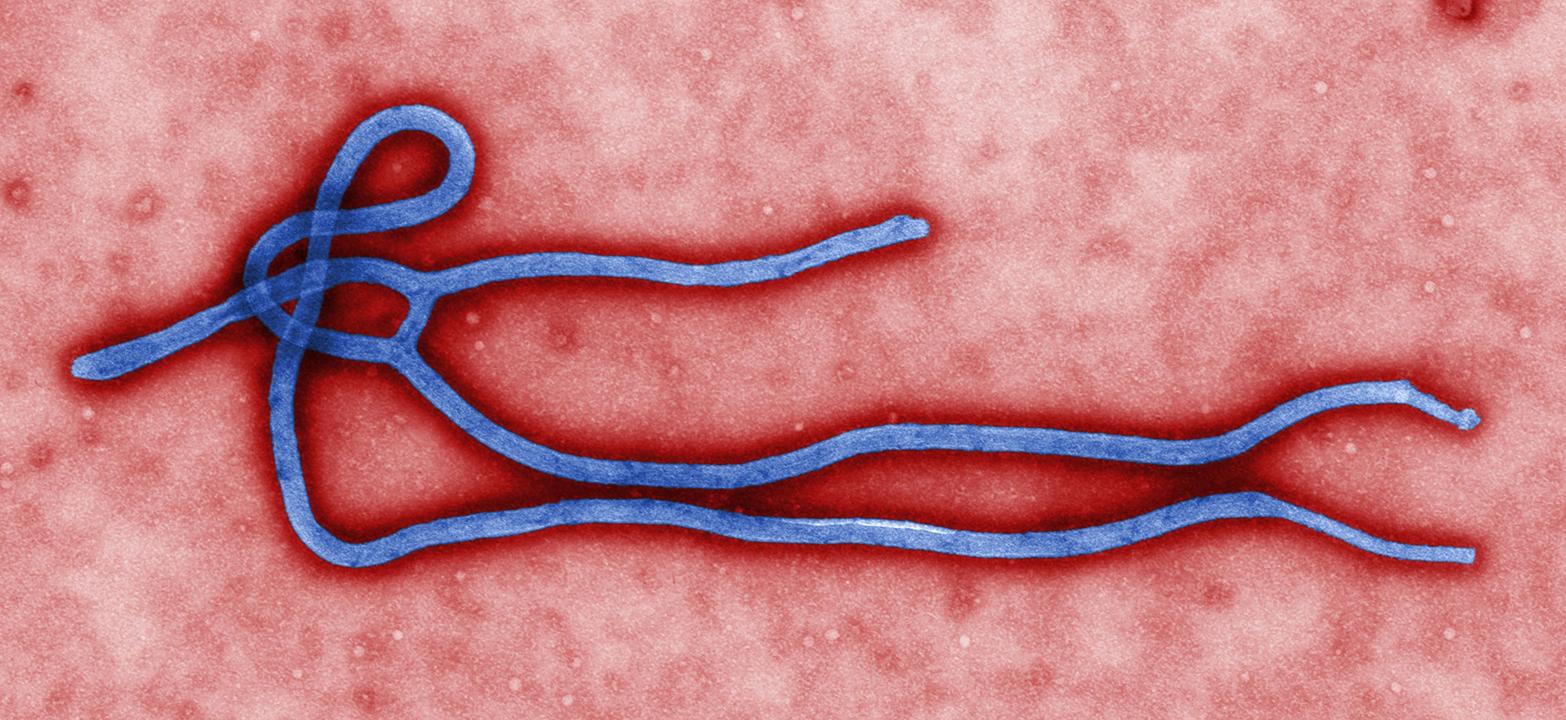
Taipei Times reported that the WHO determined the Ebola outbreak in the DR Congo and Uganda constitutes a public health emergency of international concern, while the CDC spokesperson Tseng Shu-hui (曾淑慧) said the Bundibugyo strain driving the current outbreak has no vaccines or specific treatments for prevention or cure.
The Taipei Times also said travelers returning from the DR Congo, Uganda and neighboring nations should monitor their health for 21 days, which it described as the incubation period of the Ebola virus, and it added that if symptoms appear, “People should promptly contact local health authorities or call the 1922 epidemic prevention hotline.”
Travel alerts and screening
South Korea raised its travel alert for Uganda from Level 2, which advises against nonessential travel, to a special travel advisory, and it urged South Korean nationals to cancel or postpone planned travel to Uganda, according to Yonhap News Agency as carried by Anadolu Ajansı.
Anadolu Ajansı said the ministry plans to issue a Level 4 travel ban for Ituri Province in the Democratic Republic of the Congo, and it reported that the Korea Disease Control and Prevention Agency designated Congo, Uganda and South Sudan as priority quarantine management countries for the Ebola virus disease.
The U.S. Embassy & Consulates in South Africa (.gov) issued a “Health Alert: Worldwide Caution – Public Health Arrival Restrictions and Enhanced Ebola Screening – May 21, 2026,” stating that as of May 21, 2026 all U.S.-bound American citizens and lawful permanent residents (LPRs) who had been present in the Democratic Republic of the Congo, Uganda, or South Sudan within 21 days must only enter through Washington Dulles International Airport (IAD) for enhanced screening.
The same U.S. alert said “the U.S. Centers for Disease Control and Prevention (CDC) and the Department of Homeland Security’s (DHS) Customs and Border Protection (CBP) will apply enhanced public health screening at IAD,” and it warned passengers to be prepared for flight changes or cancellations.
Schools, borders, and hotspots
In Kampala, the Sudanese embassy issued an advisory urging Sudanese citizens in Uganda to follow preventative measures and avoid unnecessary gatherings after Uganda confirmed imported Ebola infections linked to neighbouring Democratic Republic of Congo, where the World Health Organization (WHO) has declared a public health emergency.
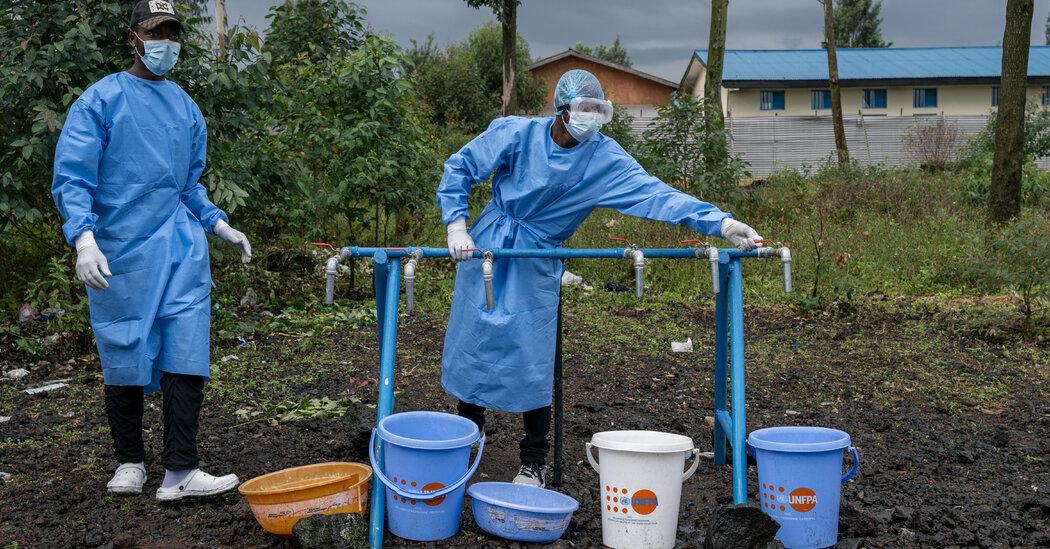
Dabanga Radio TV Online reported that Uganda’s health ministry introduced strict public health measures for schools, including “the installation of handwashing stations with running water and soap,” temperature screening checkpoints, and isolation areas for suspected cases.
The same report said Uganda’s permanent secretary for health, Dr Diana Atwine, stated the country is capable of detecting any new hotspot within 24 hours, and it added that rapid response teams, laboratory units and surveillance officers have been deployed along high-risk border regions stretching from Arua to Kisoro.
Dabanga Radio TV Online also said Ugandan health authorities confirmed two imported Ebola cases and one death, while it reported that the outbreak in the Democratic Republic of the Congo has surpassed 528 suspected infections and more than 130 deaths.
More on Technology and Science
WHO Warns Ebola Outbreak in Democratic Republic of the Congo Is Spreading Rapidly
19 sources compared

Google Redesigns Search Box With Multimodal Inputs, AI Overviews, and Agentic Tasks
10 sources compared

WHO Raises Ebola Risk to Very High in Democratic Republic of Congo, Cites 177 Deaths
11 sources compared
Trump Sets Artemis Return To Moon In 2028, Delaying Astronaut Launches
15 sources compared