Technology and Science · 21 May, 2026 · 3 min read
Trump Sets Artemis Return To Moon In 2028, Delaying Astronaut Launches
Artemis aims to return Americans to the Moon in 2028. Executive order redefines space policy to prioritize 2028 lunar return.
Razón explícita del aplazamiento: texto vs. “bloqueador”.
11 of 12 outlets skipped it: deadline: Newsom firmó un EO por desplazamiento laboral..
15outlets compared
Same story, two versions
tap a side to read it in full
Enmarca la causa como competitividad nacional vs. descontento con el texto.
Artemis slips to 2028
The United States will return astronauts to the Moon in 2028, a year later than planned, after President Donald Trump signed a new executive order that sets the course for the Artemis program for the coming years. The order, issued by the White House, prioritizes “regresar a los estadounidenses a la Luna en 2028 a través del Programa Artemis, para reafirmar el liderazgo estadounidense en el espacio, sentar las bases para el desarrollo económico lunar, preparar el viaje a Marte e inspirar a la próxima generación de exploradores”. The goal is the first crewed Moon landing since the mission Apolo 17 in 1972, but the new calendar acknowledges accumulated delays, including that Artemis III was reprogrammed from 2026 to mid-2027.
The announcement also coincides with the appointment of Jared Isaacman as NASA’s new administrator, with the article saying the agency had been without a firm direction for more than a year after Isaacman’s candidacy stalled amid public tensions between Musk and Trump. For a near-term milestone, NASA maintains plans for a crewed mission around the Moon in 2026, with a four-astronaut crew—Reid Wiseman, Victor Glover, Christina Koch and Jeremy Hansen—scheduled to fly for ten days and test systems, including a trip described as reaching about 9.260 kilómetros beyond the Moon.
AI order delayed again
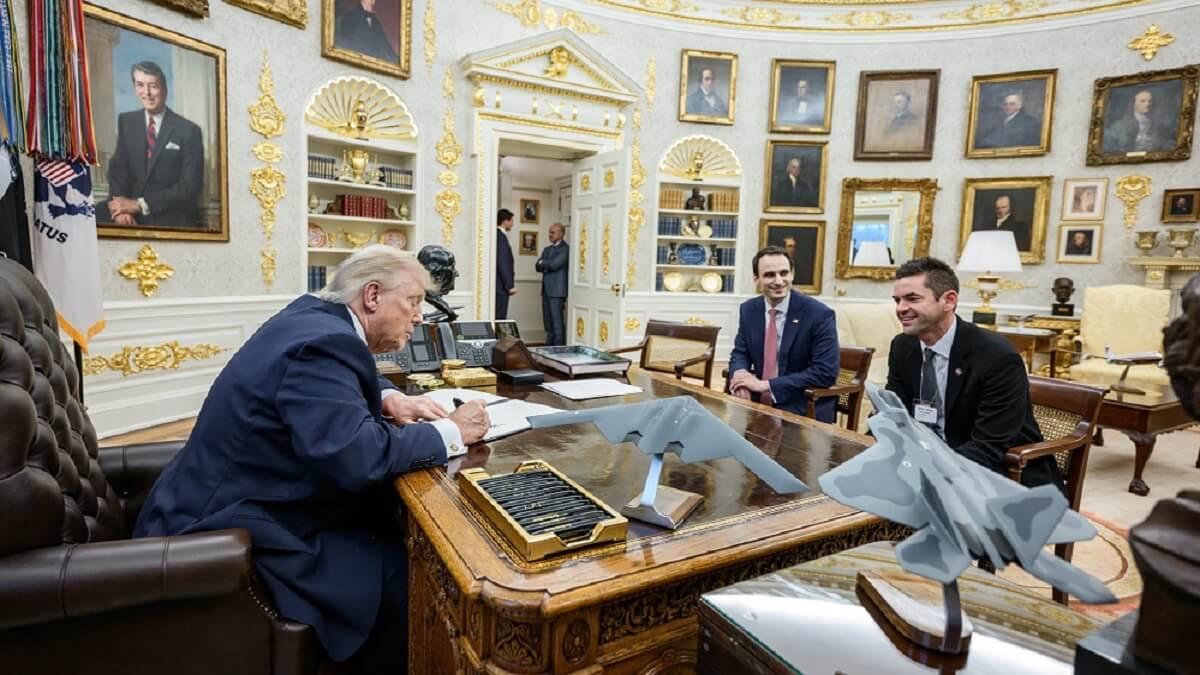
Hours before a planned White House signing, President Donald Trump postponed an anticipated AI executive order on Thursday, telling reporters, “I didn’t like what I was seeing.” Trump said he was concerned the order would prevent the United States from leading on the technology that is “causing tremendous good,” and he added, “I really thought that could have been a blocker.” The draft order would have shifted the administration from a hands-off approach by creating a system for the federal government to vet powerful new models before they are released publicly, including a voluntary review timeline described as up to 90 days before public release.
The planned framework was expected to involve agencies including the National Security Agency and the White House’s cyber office, and it was also described as elevating the intelligence community’s role in assessing AI systems. The postponement came after the White House sent invitations to executives from leading tech companies, and the White House notified companies that the event was delayed on Thursday, according to a person familiar with the matter who spoke on condition of anonymity.
Safety vs speed stakes
The AI executive order was framed as a response to cybersecurity threats posed by advanced AI models, with the draft described as aiming to let agencies test models for dangerous capabilities and identify vulnerabilities before hackers or foreign adversaries could exploit them. Matt Pearl, described as a former official in President Joe Biden’s administration who handled emerging technologies, said the draft signaled the administration was taking AI threats “much more seriously than they were.” Pearl also argued that surging cybersecurity hiring would be “a Band-Aid on a self-inflicted hemorrhage,” adding that it would at most partially address attrition after cuts and staff losses tied to morale issues.
In parallel, the article says Trump had discussed AI safeguards with Chinese President Xi Jinping during his trip to China last week, while the White House had invited executives including Anthropic CEO Dario Amodei. The stakes described in the reporting tie back to the administration’s broader competition with China and the risk that government scrutiny could slow AI development, with the order’s voluntary review process described as a potential point of friction over timelines such as two-week advance looks versus up to 90 days.