Western Aid Cuts Leave Democratic Republic of Congo Ebola Response Under-Resourced, Oxfam Says
Key Takeaways
- Aid cuts left Congo Ebola responders without basic supplies such as masks, medicines, transport.
- Ituri Ebola outbreak has drawn hundreds of suspected cases and deaths.
- Western aid cuts delayed detection and reduced outbreak response capacity.
Ebola Strain, Aid Cuts
A rapidly spreading Ebola outbreak in the Democratic Republic of Congo has strained medical personnel as Western aid cuts have left the country without the capacity it previously relied on during past epidemics, Oxfam’s Manenji Mangundu said.
“- Congo’s latest Ebola outbreak is exposing the growing global fallout from cuts to international health funding”
The World Health Organization has identified nearly 600 suspected cases and 139 deaths, and experts warn the Bundibugyo strain currently circulating has no approved vaccine or treatment.
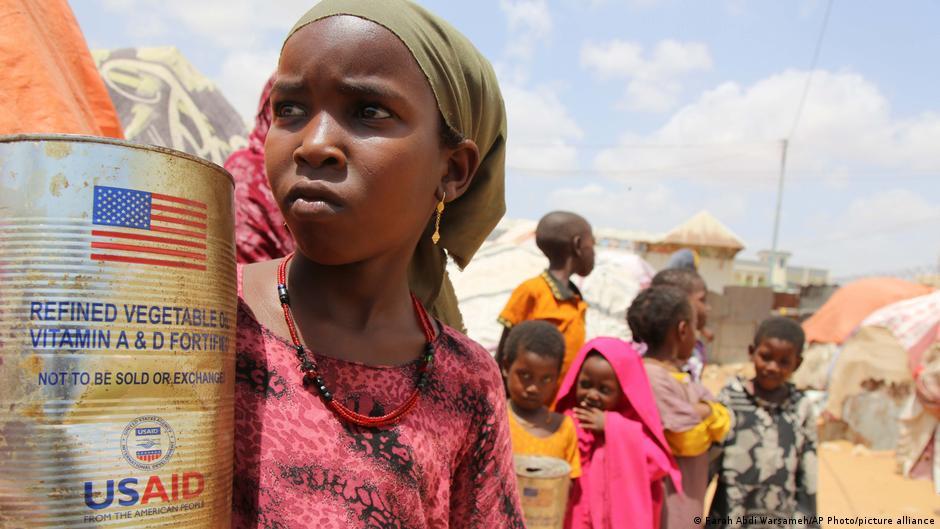
Aid agencies say reductions in funding from the United States and other Western donors to Congo and the WHO, implemented last year, have left frontline systems under-resourced just as the outbreak accelerates.
Atul Gawande, a former USAID official, said, “It’s been circulating for months or more, and it’s going to take just as long to respond,” while the US State Department rejected claims that aid cuts hindered the response and announced $23 million in assistance and funding for 50 treatment centers.
CARE’s Amadou Bocoum said nearly one-third of his organization’s budget was lost, forcing layoffs and leaving only 89 staff to manage response efforts.
No Vaccine Yet
Global health officials said there is no Ebola vaccine for the current outbreak and producing doses of the most promising candidate will take at least six to nine months, with Vasee Moorthy of the World Health Organization saying efforts are “fully activated to accelerate research and development for medical countermeasures in this context.”
Moorthy said the priority is to set up adequate treatment centers so cases can be detected and patients can receive care, while public health experts warned that tracing and isolating infected people will be difficult with militias in the region, funding cuts, and political upheaval.
The Detroit News reported that there are four species of Ebola known to infect humans, and while two vaccines are available, neither targets Bundibugyo, the version driving the current outbreak.
Thomas Geisbert, a professor at the University of Texas Medical Branch who helped develop the Ervebo vaccine, said the problem is “the same story as in the West African epidemic. We got a great vaccine - we don’t have a good clinical grade lot.”
Geisbert estimated that the process could take eight to nine months, and Moorthy said another candidate using the AstraZeneca covid vaccine platform is being developed with experts at the University of Oxford and the Serum Institute of India.
Treatment, Surveillance, Stakes
With no approved virus-specific therapeutics for the Bundibugyo strain, Congo’s health minister announced plans to build treatment centres in three locations, while as of Tuesday 69 patients were under active treatment in existing health facilities that the government acknowledges are under-resourced.
“Donald Trump began his second term in the White House on January 20, 2025—one year ago—and his actions have already caused profound upheavals around the world”
The World Health Organization declared the outbreak a public health emergency of international concern on May 16, and it said it had airlifted 12 tons of medical supplies with another six expected, as frontline responders said they were short on medicine, masks, motorbikes, and other basics.
Heather Reoch Kerr, Congo country director for the International Rescue Committee, said, “Funding cuts have left the region dangerously exposed,” and she added that certain activities previously supported by donor funding, including PPE kits, have been significantly reduced.
Sandrine Lusamba of SOFEPADI said, “We are overwhelmed, we were not prepared to deal with an outbreak,” describing a small hospital outside Bunia that had received several suspected cases since the outbreak was declared and where three patients died and two nurses fell ill.
In Bunia, local resident Isabelle Mwendo told Reuters that she first learned about it on the radio, but when she went to the market she realized she was “almost alone and didn’t have a face mask,” and when she tried to go to a bank she was “completely refused entry.”
More on Technology and Science
Trump Sets Artemis Return To Moon In 2028, Delaying Astronaut Launches
15 sources compared

SpaceX Files for Nasdaq IPO as Elon Musk Controls 85.1% Voting Power
12 sources compared
Three Die in Mountainair After First Responders Exposed to Unidentified Substance
12 sources compared

Residents Burn Ebola Treatment Facility in Rwampara, Ituri, After Authorities Refuse Body Release
13 sources compared