Britain02 March, 20263 min read
Chancellor Rachel Reeves Reveals Nearly £2bn Increase In Fiscal Headroom
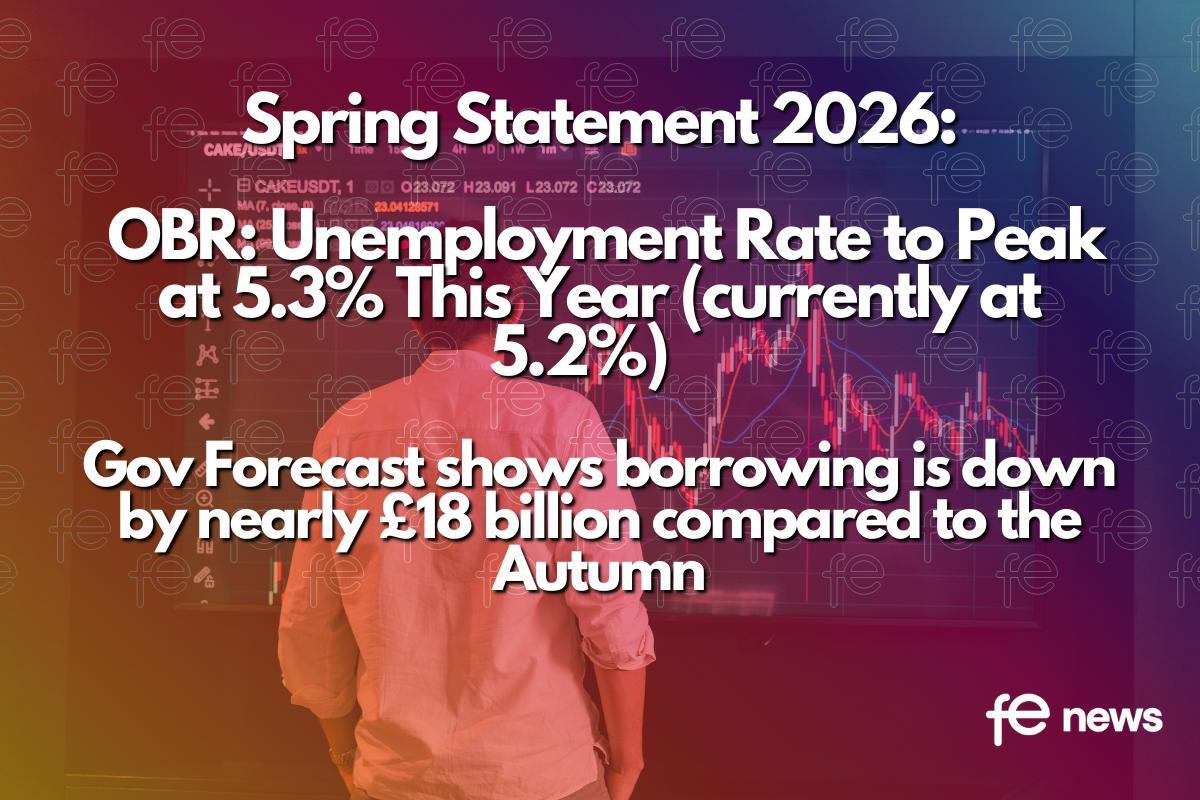
Fiscal headroom rose nearly £2bn, from £21.7bn to £23.6bn by 2029/30 OBR forecasts unemployment will peak at 5.3% this year

12 outlets told this the same way.
Outlets did split on UK Police Charge Teddy Young With Spying For Foreign Power, Royal Navy Member →
Spring Statement summary
Chancellor Rachel Reeves used the 3 March Spring Statement to report that the government’s available fiscal 'headroom' had risen by nearly £2bn, from £21.7bn to £23.6bn by 2029/30, while largely leaving tax and spending unchanged and promising further choices soon. Arts Professional recorded that Performers’ union Equity has urged the government to spend more on the performing arts after Chancellor Rachel Reeves said available fiscal 'headroom' has risen by nearly £2bn. Arts Professional also reported that Reeves said fiscal headroom had increased from £21.7bn to £23.6bn by 2029/30 and touted falling inflation, lower borrowing, rising living standards and a growing economy.
“Performers’ union Equity has urged the government to spend more on the performing arts after Chancellor Rachel Reeves said available fiscal ‘headroom’ has risen by nearly £2bn.”
Portfolio Adviser summarised the speech as saying Chancellor Rachel Reeves used her Spring Statement to leave tax and spending largely unchanged while presenting downgraded growth forecasts and a brighter inflation outlook. The Arts Professional piece noted that Reeves made no new policy commitments but said she will set out 'three major choices' for the economy in two weeks' time.

OBR forecasts and outlook
The Office for Budget Responsibility’s new forecasts underpinned the update. The OBR now expects UK real GDP to grow 1.1% this year, down from 1.4%. The OBR forecasts slower medium-term growth and a path for inflation back to target in late 2026.
Portfolio Adviser reported that the OBR expects UK real GDP to grow 1.1% this year, down from 1.4% last year, and to average about 1.6% a year between 2027 and 2030. Portfolio Adviser also reported that inflation is forecast to return to the 2% target in 'late 2026,' which Reeves said should give the Bank of England more room to cut rates.

Personnel Today recorded the OBR’s labour-market projection that unemployment will peak at 5.3% this year and fall to 4.1% by 2030. Sky News noted that inflation has fallen to 3% but remains above the 2% target, and highlighted weak youth employment at around 16%.
Fiscal risks and energy impacts
The OBR and commentators flagged that the improved headline numbers mask risks to the fiscal position, including one‑off revenue gains, a higher projected tax burden and exposure to global shocks. Daily Mail summarised caution that 'the independent OBR downgraded near‑term growth and flagged several fiscal risks,' and warned 'the projected tax burden rises to a record c.38.5% of GDP by 2030–31.'
“Chancellor Rachel Reeves used her Spring Statement to highlight easing inflation and new welfare measures (including ending the two‑child benefit cap), but the independent OBR downgraded near‑term growth and flagged several fiscal risks.”
Portfolio Adviser and others said the OBR’s work 'predated recent bombings' and that forecasts largely ignored the possible near‑term effects of the escalating Middle East conflict on energy and inflation. Sky News and Daily Mail warned that renewed strikes and Gulf disruption could raise oil, transport and production costs, add upward pressure to inflation and potentially push UK energy bills sharply higher.
Reactions to Spring Statement
Reactions to the Spring Statement were mixed: pressure groups and sector bodies urged targeted spending, market commentators were cautious, and business and education stakeholders called for faster delivery of reforms. Arts Professional reported that Equity urged the government to spend more on the performing arts. FE News said the response welcomed the policy direction but urged quicker delivery and greater attention to employer concerns.
FE News quoted Neil Carberry warning that many firms remain cautious. Portfolio Adviser captured market reaction, noting that economists called the downgrade unsurprising.
Some commentators described the event as 'political theatre' amid market stress. Financial advisers welcomed predictability but flagged pressures on client planning.
Spring Statement coverage
Politically and procedurally, the statement functioned as an interim update rather than a full Budget and left major fiscal choices for later. The Sun explained that 'This Spring Statement is an interim update rather than a full Budget, because the government has committed to holding only one major fiscal event a year (the Autumn Budget).'
“This Spring Statement is an interim update rather than a full Budget, because the government has committed to holding only one major fiscal event a year (the Autumn Budget).”
Portfolio Adviser noted 'there were no major tax or spending changes; Reeves mostly defended the government’s economic record and criticised the Conservatives.' The Sun also recorded that 'The Treasury reported a record £30.4bn budget surplus in January,' a figure cited alongside warnings the OBR’s headroom could be vulnerable to market moves and global shocks.