Britain03 March, 20262 min read
Israel Strikes Hezbollah in Lebanon, Escalating War With Iran
Israel launched widespread airstrikes across Lebanon, striking Beirut’s Dahiyeh and southern and eastern areas Hezbollah fired rockets and drones into Israel, including attacks toward Tel Aviv and Haifa

35 outlets told this the same way.
Outlets did split on UK Police Charge Teddy Young With Spying For Foreign Power, Royal Navy Member →
Israel-Lebanon escalation
Hezbollah launched missiles and drones toward Israel, prompting a sharp escalation. Those tit‑for‑tat exchanges drove residents from Beirut’s southern suburbs and border areas as the confrontation widened regionally. Israeli forces intensified strikes across Lebanon, including the southern suburbs of Beirut, the Bekaa Valley and Dahieh, and issued evacuation orders for dozens of towns.
“Israel and Hezbollah exchanged tit‑for‑tat strikes after missiles and drones were launched toward Israel, driving residents from Beirut’s southern suburbs and border areas and widening a regional confrontation.”
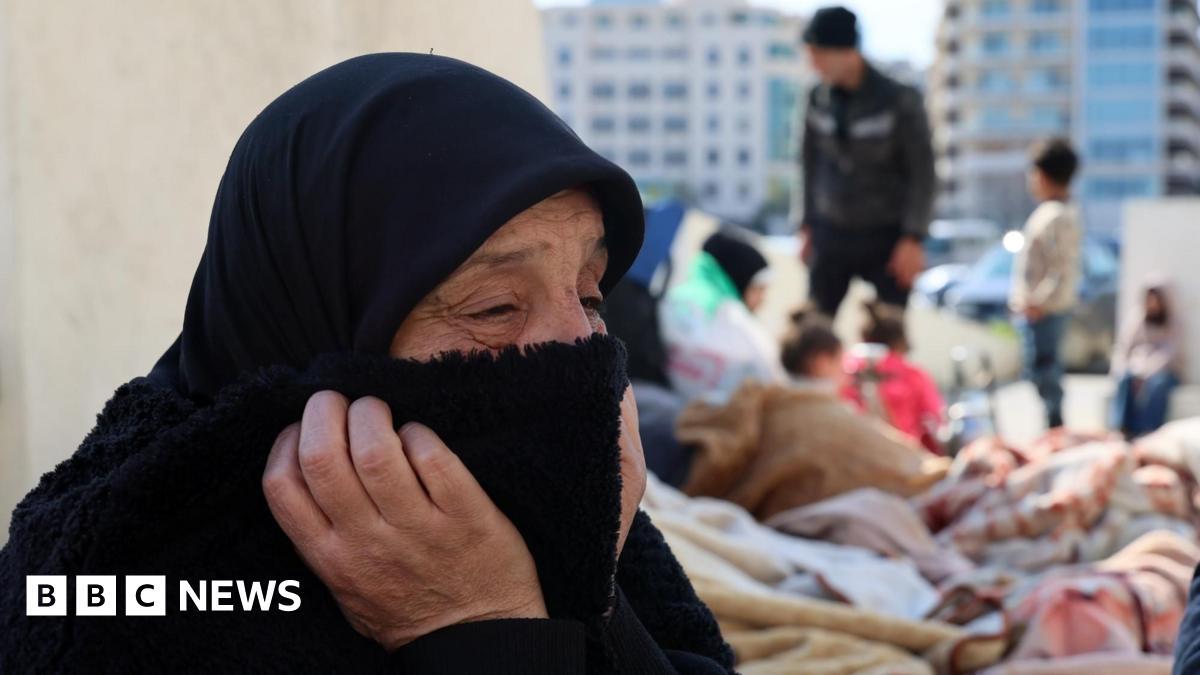
Reports said more than 50 people were killed in the Israeli attacks and many civilians fled. The cross‑border exchanges followed claims tied to recent US‑Israeli operations in Iran and have produced a rapidly evolving, multi‑front confrontation that countries and agencies are watching closely.

Israeli strikes on Hezbollah
Israel described its campaign as focused on Hezbollah’s infrastructure and senior operatives, saying it struck more than 70 Hezbollah weapons sites and targeted figures it identified as intelligence or military leaders. Israeli statements and some reporting named individual targets and institutions, including strikes on Hezbollah-linked microfinance branches and alleged Qard al‑Hassan offices. The military asserted it had killed senior Hezbollah intelligence figures, though some of those casualty claims were reported with caveats or corrected in subsequent accounts.
Casualties and displacement
Lebanese health officials and multiple outlets reported dozens killed and many more wounded. Tens of thousands of civilians fled or were ordered to evacuate, and hundreds of shelters and schools were pressed into use to house displaced families. Different sources give varying casualty and displacement totals — from roughly 31 killed and 149 wounded in some official tallies to reporting that at least 52 people were killed and tens of thousands evacuated — reflecting real‑time reporting differences amid chaos on the ground.
“Lebanon has registered roughly 65,000 displaced people in 350 shelters, with another estimated 10,000–20,000 staying with relatives or on the streets...”
Lebanon response to Hezbollah
Lebanese political institutions reacted sharply. After a government session, President Michel Aoun and the cabinet took steps publicly to restrict Hezbollah's military role, declaring its actions illegal and ordering security agencies to stop launches and detain those responsible. Prime Minister Nawaf Salam condemned Hezbollah's rocket and drone fire as "irresponsible."
Lebanon's presidency said the U.S. ambassador gave assurances that Israel would refrain from escalatory action so long as there were no hostile acts from Lebanon. This was a diplomatic attempt to limit wider confrontation even as domestic moves signal a strain between the state and Hezbollah.

Regional claims and retaliation
Observers link the Lebanon exchanges to a broader regional spiral tied to recent U.S.-Israeli operations against Iranian targets and subsequent Iranian-aligned counter-attacks. Multiple outlets report that Hezbollah framed its strikes as retaliation for claims that Iran's Supreme Leader had been killed in weekend strikes.
“Iran signals it is prepared to continue fighting, according to Foreign Ministry official Abbas Araqchi on X. ... U.S.–Iran tensions are escalating: U.S., Israeli and Iranian forces reportedly exchanged strikes across the Middle East after reports of Khamenei’s death, raising fears of a wider regional war.”
The IRGC and allied militias claimed attacks across the Gulf and on U.S. facilities. Those claims — including assertions that Khamenei was killed and that U.S. assets were struck — are reported by state and militia sources in several accounts but are explicitly described in many reports as unverified or contested, leaving critical details and casualty figures in dispute as the situation rapidly evolves.