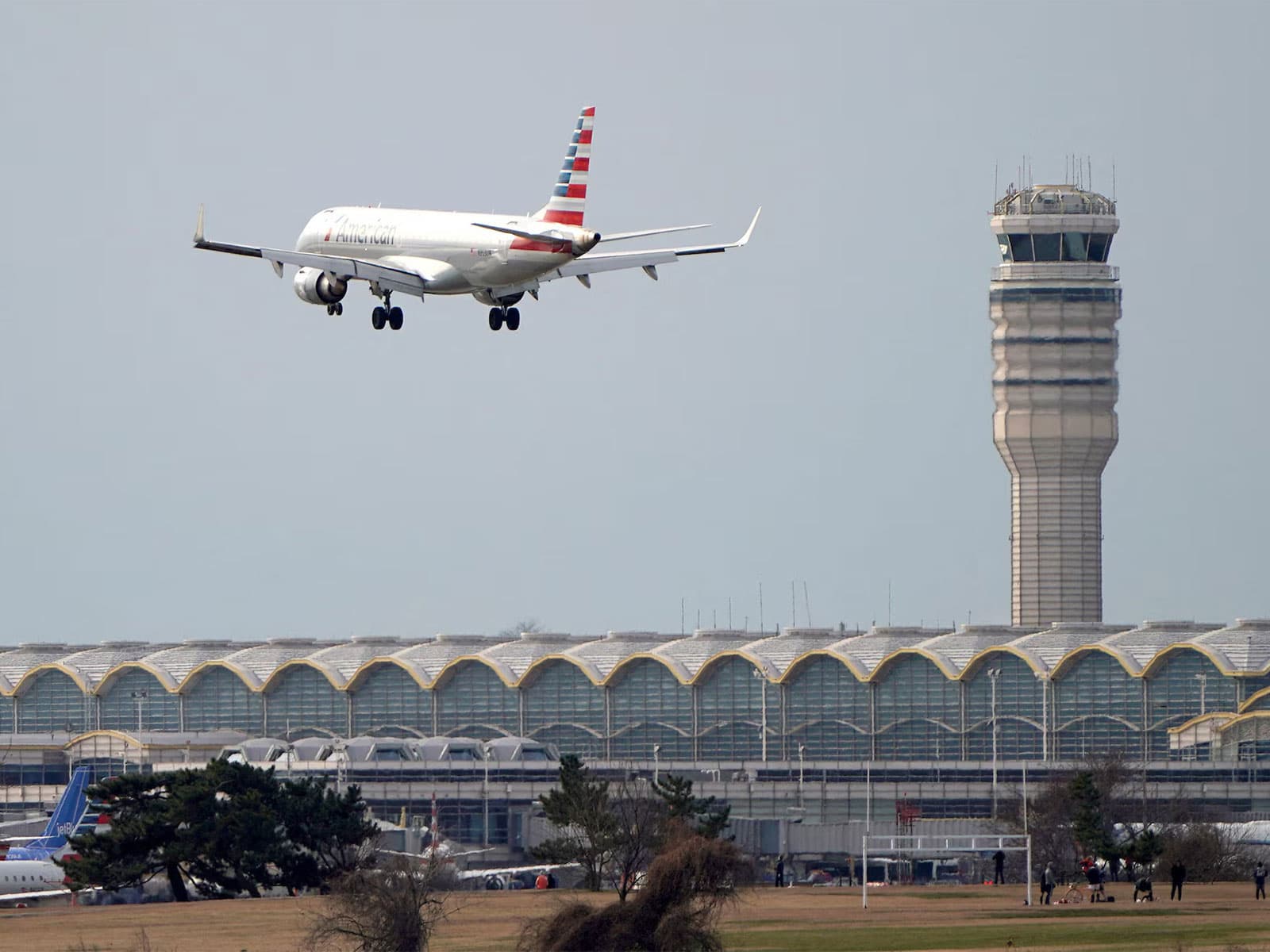
Chemical odor forces FAA to halt flights across DC-area airports
Key Takeaways
- DC-area ground stops due to strong chemical odor at Potomac TRACON in Warrenton, VA.
- Ground stops lifted; operations resumed; officials said no danger to air traffic controllers.
- Reagan National, Dulles, and BWI were affected, with delays and uncertain return times.
Initial Incident
A strong chemical smell detected at the Potomac Terminal Radar Approach Control (TRACON) facility in Warrenton, Virginia, forced the Federal Aviation Administration to issue ground stops at multiple major airports serving the Washington, D.C., region on Friday afternoon.
“ANI |Updated:Mar 14, 2026 07:54IST Washington, DC [US], March 14 (ANI): Flight operations across the Washington, DC region resumed following a temporary suspension triggered by reports of a "chemical odour" at a key air traffic control facility”
The incident began around 4:50 p.m. when the FAA implemented immediate halts to all flights at Ronald Reagan Washington National Airport (DCA), Washington Dulles International Airport (IAD), and Baltimore-Washington International Airport (BWI) due to concerns about the chemical odor affecting air traffic controllers.
The FAA initially described the disruption as an 'equipment outage' on their status page, though later clarified that the strong chemical smell was the primary cause.
Potomac TRACON, located approximately 50 miles west of the nation's capital, serves as a critical facility managing approach and departure traffic for the busy airspace covering the D.C. metropolitan area, Baltimore, Richmond, and several other regional airports.
Official Response
Transportation Secretary Sean Duffy played a key role in responding to the crisis, providing updates through social media and confirming that the FAA was actively investigating the odor's source.
In posts on X, Duffy stated that the FAA was 'working to address the source of a strong odor coming from Potomac TRACON' and later revealed that the smell was affecting some air traffic controllers, prompting the precautionary halt to prevent safety risks.

The Secretary advised affected travelers to stay updated via the FAA's flight status website and emphasized that the agency was working to resolve the situation.
By approximately 7:45 p.m., Duffy confirmed that firefighters from Fauquier County and Prince William County had inspected the facility and 'confirm there is no danger to air traffic controllers,' paving the way for operations to resume.
The FAA attributed the ground stops directly to the chemical smell's impact on controller operations, with an agency spokesperson confirming that the halt was implemented as a precautionary measure.
Travel Impact
The chemical odor incident triggered widespread travel disruptions affecting thousands of passengers across multiple airports in the Mid-Atlantic region.
“The TRACON is located in Warrenton, Virginia”
At the three main airports affected by the ground stops, passengers reported being stranded on tarmacs for hours while others crowded into terminals with unclear departure timelines.
Flight delays quickly escalated to between 90 minutes and three hours as the system became increasingly congested.
By 8:40 p.m., the FAA website showed significant delays including average ground delays of about 222 minutes at DCA and more than 150 minutes at BWI.
Beyond the primary three airports, the ripple effects extended to Richmond International Airport (RIC), Charlottesville-Albemarle Airport (CHO), and Manassas Regional Airport, which also experienced ground stops due to their shared airspace coverage with Potomac TRACON.
The situation was particularly disruptive during Friday evening, one of the busiest travel periods of the week, as thousands of weekend travelers and commuters planned to use these airports for connections across the eastern seaboard.
Passengers at Reagan National were observed 'huddled at gates' with some 'sprawled out on the floor' while waiting for updates on their delayed flights.
Resolution
The ground stops were gradually lifted between 7:45 p.m. and 8:30 p.m. as the FAA determined that the Potomac TRACON facility was safe to resume operations.
Transportation Secretary Sean Duffy confirmed that the source of the strong odor had been identified as 'a circuit board that overheated' and that it 'was replaced' once the issue was resolved.
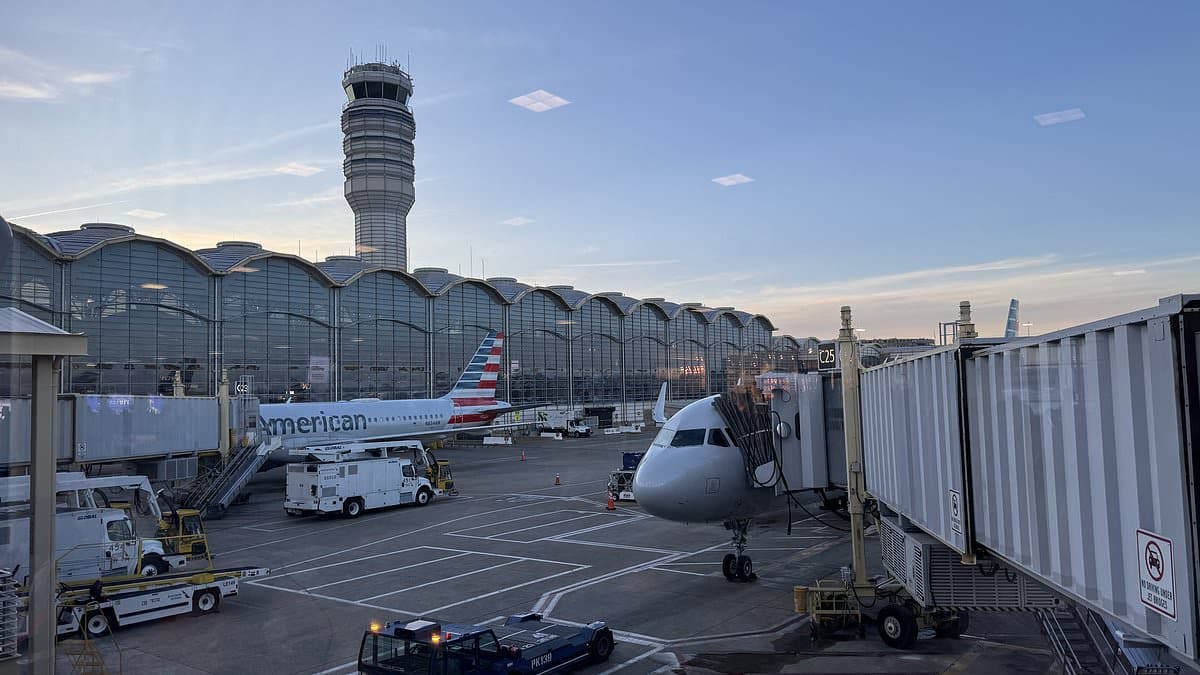
The FAA downgraded the alert from full ground stops to ground delays as operations gradually resumed, though officials warned passengers to expect lingering delays as airlines worked through the substantial backlog.
By the time normal operations resumed, airlines had begun issuing travel waivers allowing passengers to rebook or change flights without fees in response to the widespread disruptions.
The incident highlighted the vulnerability of the nation's air traffic system to even localized issues at control facilities, particularly in the congested D.C. airspace where military operations, commercial traffic, and presidential movements frequently overlap.
The Potomac TRACON facility, built in December 2002 by Lockheed Martin, was designed to handle more than 2 million flights annually and serves as a critical communications hub for coordinated air traffic control across multiple regional airports.
System Impact
The incident exposed broader systemic vulnerabilities in the national air traffic control network, particularly how disruptions at a single facility can cascade across multiple regions.
“✕ Home News Analysis Agro-Forestry Art & Culture Technology Economy & Business Education Energy & Extractives Politics Law & Governance Health Science & Environment Social & Gender Sports Transport Urban Development WASH Research LogIn/SignUp Close the sidebar Air Traffic Halted: The Mystery of the Chemical Smell A strong chemical smell led to the halting of flights at major airports serving Washington, DC, Baltimore, and Richmond”
While the primary ground stops were concentrated at the D.C.-area airports, the ripple effects extended to Philadelphia International Airport (PHL), which faced separate ground delays attributed to equipment outages, though officials did not confirm whether the two incidents were directly connected.

Transportation reporter Tom Roussey with WTOP news partner 7News warned that there would be 'ripple effects all night long because the delays were growing by the second,' anticipating the aftermath would carry through the night into the following day.
The situation highlighted the critical importance of Potomac TRACON's role in managing airspace for the entire Baltimore-Washington and Richmond-Charlottesville corridor, covering Reagan National, Dulles, BWI, Andrews, Richmond, and other regional airports.
Aviation experts noted that ground stops affecting three major airports simultaneously are rare occurrences that quickly ripple through the system due to the interconnected nature of flight scheduling and air traffic management.
More on Technology and Science

Apple Cuts China App Store Commissions to 25% After Regulator Pressure
25 sources compared

FBI Investigates Hacker Who Uploaded Malware-Laced Games to Steam
12 sources compared

University of Cambridge Researchers Urge Tighter Regulation Of AI Talking Toys For Under-Fives
10 sources compared

NASA gives green light to Artemis II launch for April liftoff
14 sources compared