China And U.S. Back Oil Market After Iran Blockade Disrupts Strait Of Hormuz Exports
Key Takeaways
- Iran's blockade disrupted Strait of Hormuz exports, affecting Persian Gulf supply.
- U.S. sanctioned 12 Iran-linked entities enabling oil shipments to China.
- China remains major purchaser of Iranian oil amid disruptions.
Strait Shock and Oil Flows
China and the United States provided support to the oil market as Iran’s blockade of the Strait of Hormuz disrupted about 10 million barrels per day (bpd) of exports from the Persian Gulf, according to the International Energy Agency’s latest update cited by CNBC.
CNBC reported that crude prices on Thursday closed just above $100 per barrel, while Deutsche Bank analyst Michael Hsueh said, "The U.S. and China are providing important forms of adjustment to compensate for the export disruption from the Persian Gulf."
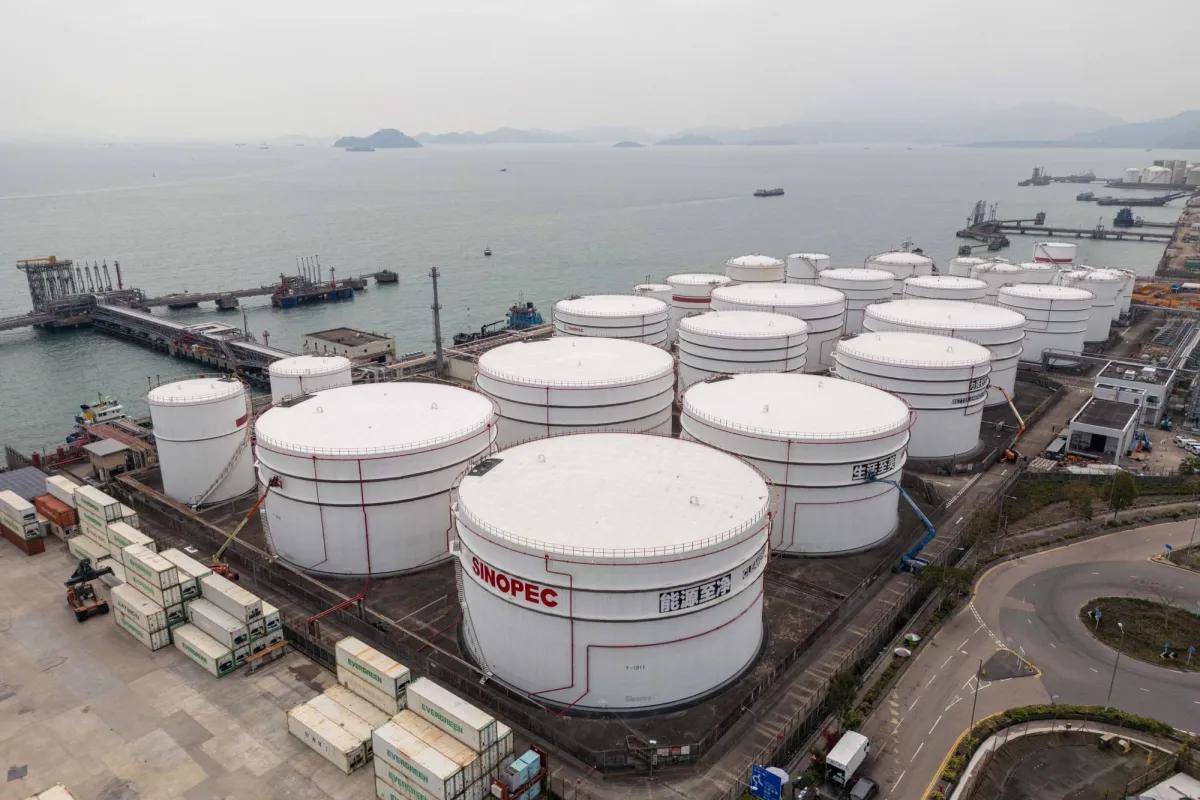
CNBC also said oil exports from producers outside the Middle East, led by the U.S., surged by 3.5 million bpd during the Iran war, while China slashed its oil imports by 3.6 million bpd, and that together the moves totaled 7.1 million bpd or about 70% of the exports lost from the Gulf.
In parallel, the White House said President Donald Trump and President Xi Jinping agreed the Strait of Hormuz must open to support the free flow of energy, and Energy Secretary Chris Wright told CNBC that China, as the world’s largest importer, will buy more oil from the U.S. in the future.
CNBC added that the U.S. agreed in March to deploy 172 million barrels from its reserve in response to the oil shock, while China held 1.4 billion barrels in its strategic oil reserve as of December 2025, according to the U.S. Energy Information Administration.
Trump, Xi, and Tehran
Questions around whether China will assist in reopening the Strait of Hormuz followed the U.S.-China summit in Beijing, with NewsNation reporting that President Donald Trump was asked if he wanted China to use its leverage over Iran.
NewsNation quoted Trump saying, "I’m not asking for any favors, because when you ask for favors, you have to do favors in return," and it added that Trump said, "We don’t need favors. We’ve wiped out their armed forces, essentially."
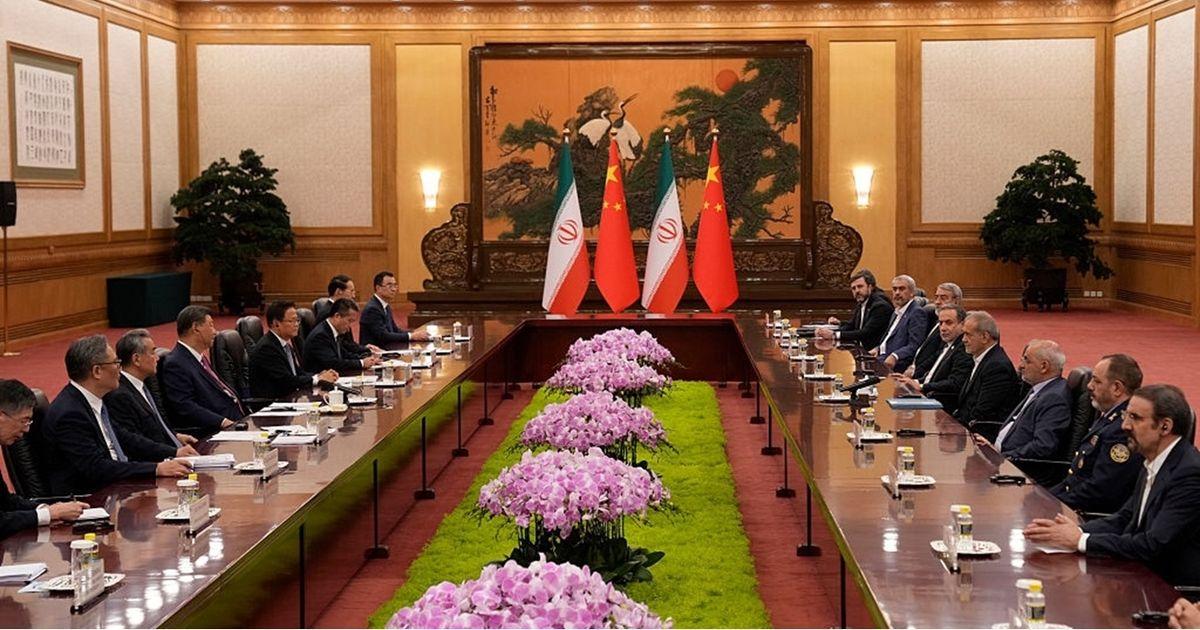
NewsNation also cited China’s Foreign Ministry statement that the conflict has put "a heavy strain on global economic growth, supply chains, international trade order and the stability of global energy supply," and it said the ministry added, "There is no point in continuing this conflict, which should not have happened in the first place."
The same NewsNation report said the U.S. naval blockade is still in effect and has turned away over 70 ships so far, while it stated that 90% of Iran’s oil exports go to China.
It further noted a cryptic response from Iran’s foreign ministry: "he who betrays in secret shall be exposed in public," as Trump said he believes the U.S. could eliminate Iran if fighting resumes.
Blockade, Shipping Tactics, and China
The New York Times described how the U.S. Navy deployed a sea blockade starting in the Gulf of Oman and said it has intercepted more than 70 vessels, while also noting that a complete picture of ship traffic is difficult to ascertain.
“China and the United States have provided critical support to the oil market and helped ease the huge supply disruption in the Middle East and kept energy prices from surging even higher”
It said one China-bound ship carrying Iranian oil, the Majestic X, was seized in the Indian Ocean more than 2,000 miles from the Gulf of Oman, and it reported that ships routinely turn off their location trackers, use spoofing to falsify positions and sail under false flags.
The Times detailed the Iranian-flagged oil tanker the Huge, which loaded oil at Kharg Island and transited the Strait of Hormuz in early April, then appeared to have left the Gulf of Oman passing the blockade when it started on April 13, with its location tracker off throughout much of the journey.
The Times also quoted Windward’s Ami Daniel saying, "I don’t believe you can just walk away from the Strait of Hormuz without being noticed with a 300-meter tanker," and it reported that satellite images taken on Wednesday showed the Huge heading north past Vietnam and likely going to China.
Separately, CNN Arabic said that in 2024 China received 97% of Iran’s oil exports, and it reported that a White House statement said Xi Jinping "made clear China’s opposition to militarizing the Strait and any attempt to impose charges for its use," while also saying China would increase its purchases of American oil.
More on Iran
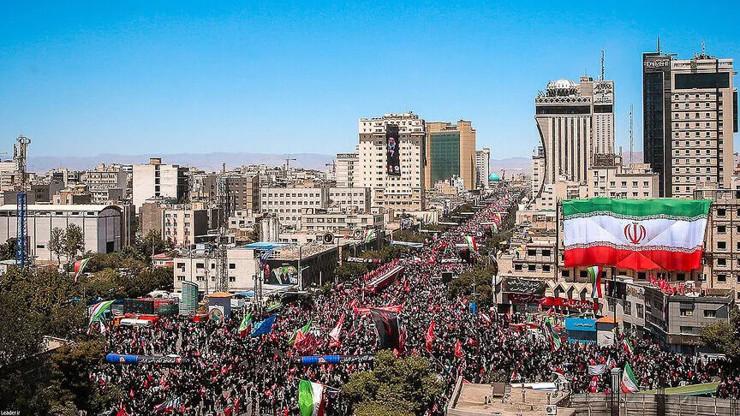
Israeli Strike Kills Ayatollah Ali Khamenei, Buried at Imam Reza Shrine in Mashhad
19 sources compared
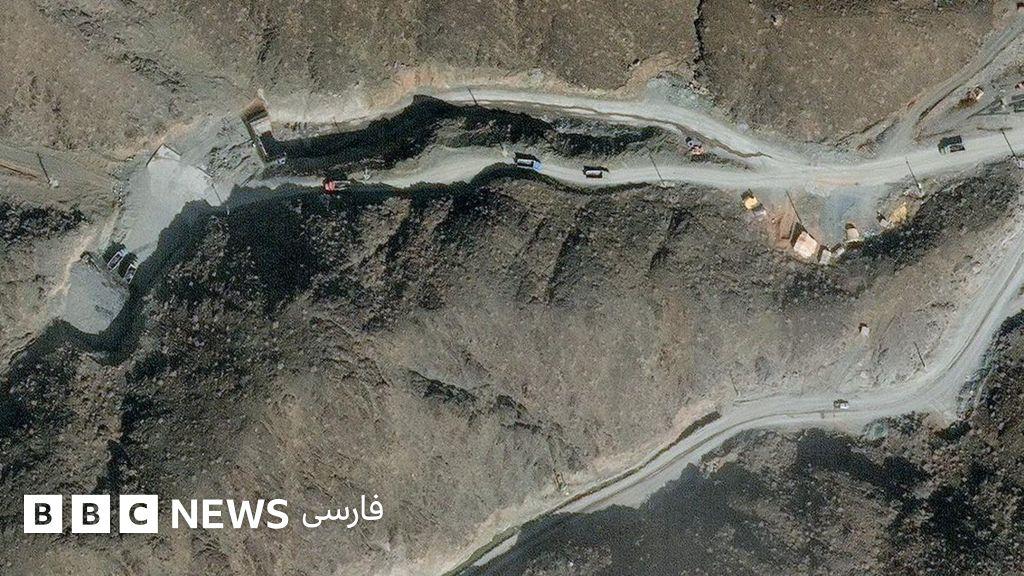
Iran Attempts To Restore Nuclear Sites Damaged In US And Israel Strikes, CNN Satellite Images Show
15 sources compared
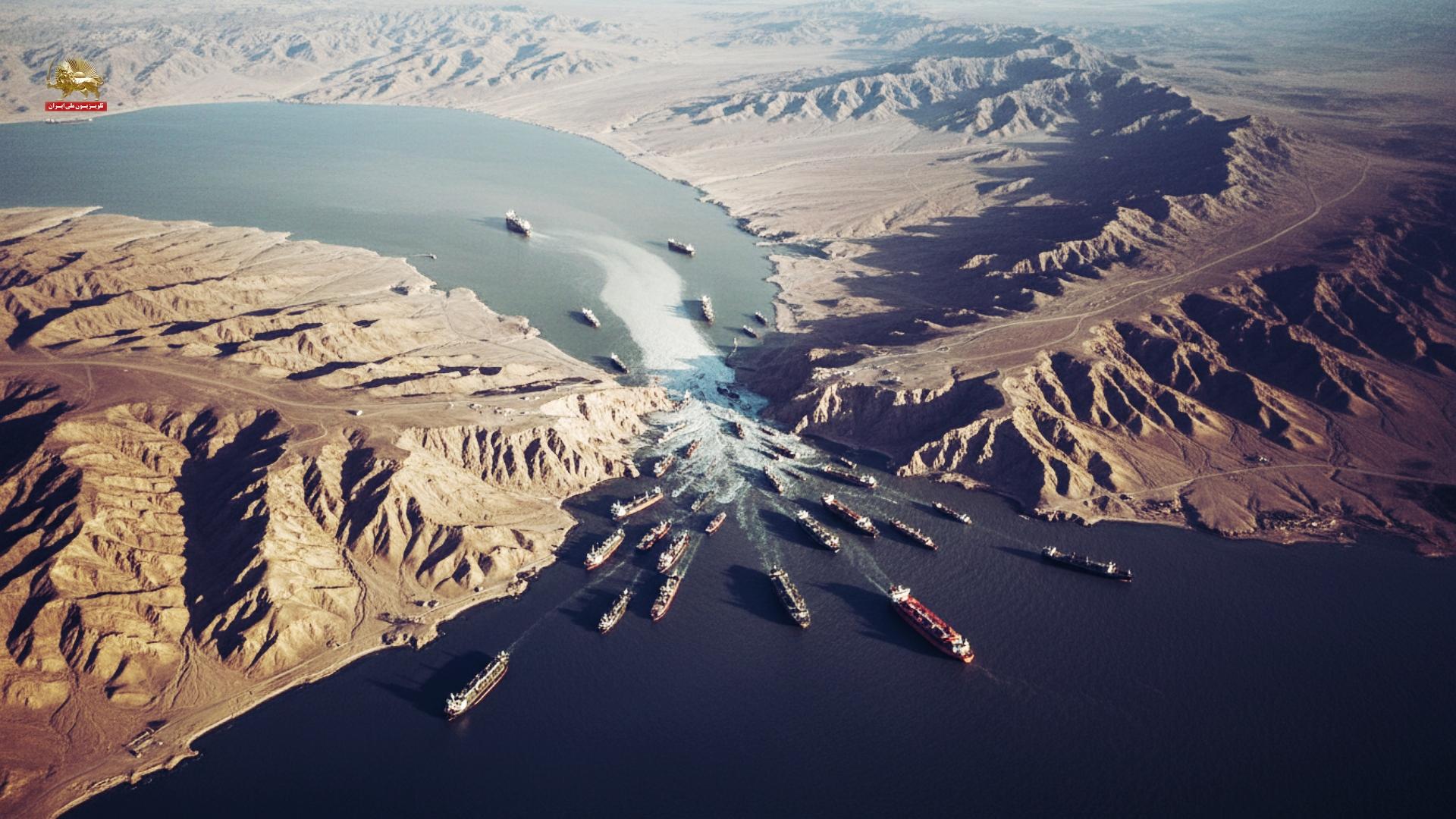
Abbas Araghchi and Prince Faisal Bin Farhan Discuss Regional Developments After US Attacks
11 sources compared

Trump Says U.S. Agreed to Continue Iran Talks, Ceasefire Is Over
19 sources compared