
China Rejects U.S.-Backed UN Resolution on Strait of Hormuz After Trump-Xi Summit
Key Takeaways
- China criticized the US-backed Hormuz draft at the UN, calling its timing inappropriate.
- Beijing and Moscow are expected to veto the US-backed Hormuz draft.
- Draft calls Iran to halt attacks and stop mining in the Strait.
Hormuz resolution rebuffed
China rejected a U.S.-promoted Security Council resolution condemning the blockade of the Strait of Hormuz immediately after a U.S.-China summit, with Chinese Ambassador to the UN Fu Cong telling PassBlue, "We do not believe the content is appropriate, nor do we consider the timing suitable."
The dispute follows a U.S.-Gulf draft resolution that strongly demanded Iran halt attacks and mine-laying in the Strait of Hormuz, with diplomatic circles expecting China and Russia to veto again after last month.

The White House said President Donald Trump and President Xi Jinping agreed during their talks that the Strait of Hormuz must remain open, while Xi opposed "any militarization of the strait and attempts to impose tolls on passage through the waterway."
China’s Ministry of Foreign Affairs spokesperson assessed the Iran war as "a war that should not have happened," and the draft’s push came after the U.S. concluded a two-day summit with Xi in Beijing on the 15th.
The same reporting tied the diplomatic standoff to a broader escalation in the Strait of Hormuz, where the U.S. and Gulf states moved to draft pressure on Tehran after the conflict began on Feb. 28, 2026.
UN debate and veto fears
China’s UN envoy Fu Cong said the U.S.-Bahraini draft resolution at the Security Council was not right, warning, "We don’t think the content is right, and the timing is not right."
Fu Cong added, "What we need is to urge both sides to engage in serious and good-faith negotiations that can resolve the issue," as diplomatic sources indicated the proposal was likely to face vetoes from both China and Russia if brought to a vote.
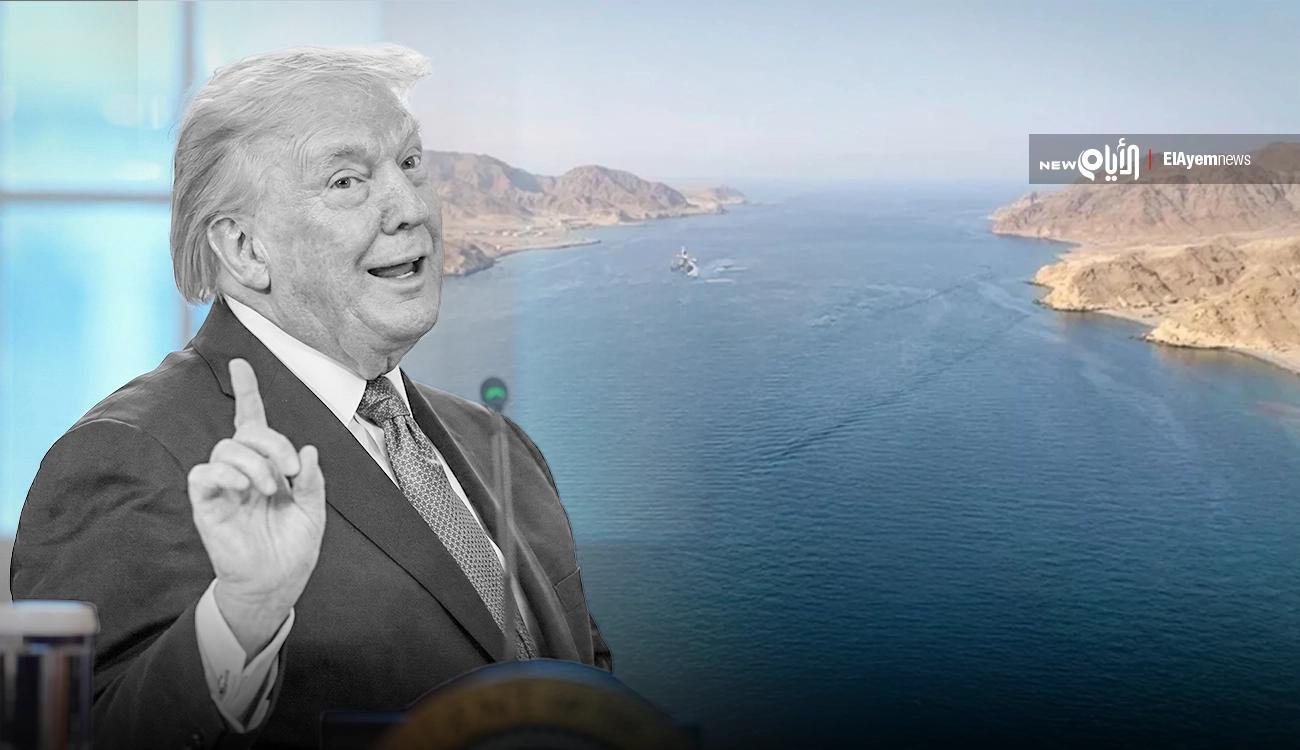
The draft resolution, described in the reporting as calling on Iran to halt attacks and mining operations in the strategically vital waterway, was also framed by Al Jazeera as a U.S.-Bahraini-Gulf effort aimed at ensuring freedom of navigation in the Strait of Hormuz.
Al Jazeera’s correspondent Bisan Abu Kouik said the draft’s outline was briefed to Security Council members, and the text included demands that Tehran stop attacks on ships and guarantee freedom of navigation, halt planting mines, and disclose mine locations already laid.
In parallel, the UN News account said Bahrain’s permanent representative Jamal Faris Al-Ruwaei told reporters the draft resolution calls on Iran to immediately stop all attacks and threats against merchant ships and trade, and it addresses mine-laying and the imposition of illegal fees in the strait.
Iran’s warnings and next steps
Iran’s permanent mission to the UN warned that co-sponsors of the U.S.-backed Hormuz Strait resolution share responsibility for "aggression," saying, "It is now crystal clear that the U.S. is seeking to exploit the number of the so-called co-sponsors".
“Iran warns co-sponsors of US-backed Hormuz Strait resolution that they share responsibility for 'aggression' Clear US 'seeking to exploit the number of the so-called co-sponsors of its politically motivated and one-sided draft resolution to manufacture a false image of ‘broad international support,' says Tehran's UN mission Merve Gül Aydoğan Ağlarcı 16 May 2026•Update: 16 May 2026 Kanada, Ontario Iran's permanent mission to the UN blamed the US on Friday for trying to manufacture international backing for its actions against Tehran through a draft UN Security Council resolution on the Strait of Hormuz”
The mission said, "Should the U.S. trigger any new escalation, all co-sponsoring States will share international responsibility alongside Washington for the consequences," as it blamed the U.S. for trying to manufacture international backing for its actions against Tehran through a draft Security Council resolution.
In the UN Security Council discussions, U.S. Ambassador Mike Waltz said Iran’s "mining and imposing fees" in the Strait of Hormuz violates international law, while Iran’s ambassador Amir-Saeed Irwani described the draft as unilateral and flawed and said the facts on the ground prove otherwise.
Irwani rejected accusations that Iran planted naval mines in the Strait of Hormuz, and he said the only possible solution was "a permanent end to the war, the lifting of the naval blockade, and the restoration of normal navigation."
As the Security Council considered the Bahrain-U.S. draft, Al-Ruwaei said the draft resolution was guided by freedom of navigation in accordance with international law and expressed eagerness to finalize the text and build the broadest possible support in the coming days.
More on Iran
Russia Presses Toward Kharkiv as Vovchansk Fighting Continues, BBC Reports
12 sources compared

Mahmoud Abbas Casts Ballot in Fatah Leadership Elections in Ramallah, Gaza, Cairo, and Beirut
16 sources compared
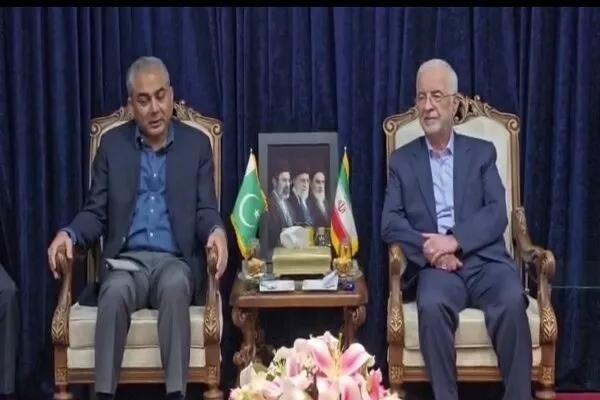
Iran And Pakistan Interior Ministers Meet In Tehran To Restart U.S.-Iran Peace Talks
12 sources compared

United States and Israel Prepare Renewed Strikes Against Iran As Early As Next Week
13 sources compared