
Technology and Science · 07 May, 2026 · 2 min read
Christophe Fouquet and Francis deSouza Say ASML, Google Cloud Face AI Supply Limits at Milken Conference
ASML plans to cut about 1,700 jobs, mainly managers in the Netherlands. €9.6 billion net profit in 2025 driven by AI demand.
Whether ASML’s moat is portrayed as “monopoly” vs “possible defense.”.
8 of 10 outlets skipped it: energy constraints may drive data centers in space..
10outlets compared
Same story, two versions
tap a side to read it in full
Startup Fortune
“ASML manufactures the only machines capable of printing the smallest transistor features”Read the original ↗
TechCrunch
“the Dutch company that holds a monopoly on the extreme ultraviolet lithography machines”Read the original ↗
Both call it monopoly, but Startup Fortune emphasizes defensibility mechanics.
Supply limits and chips
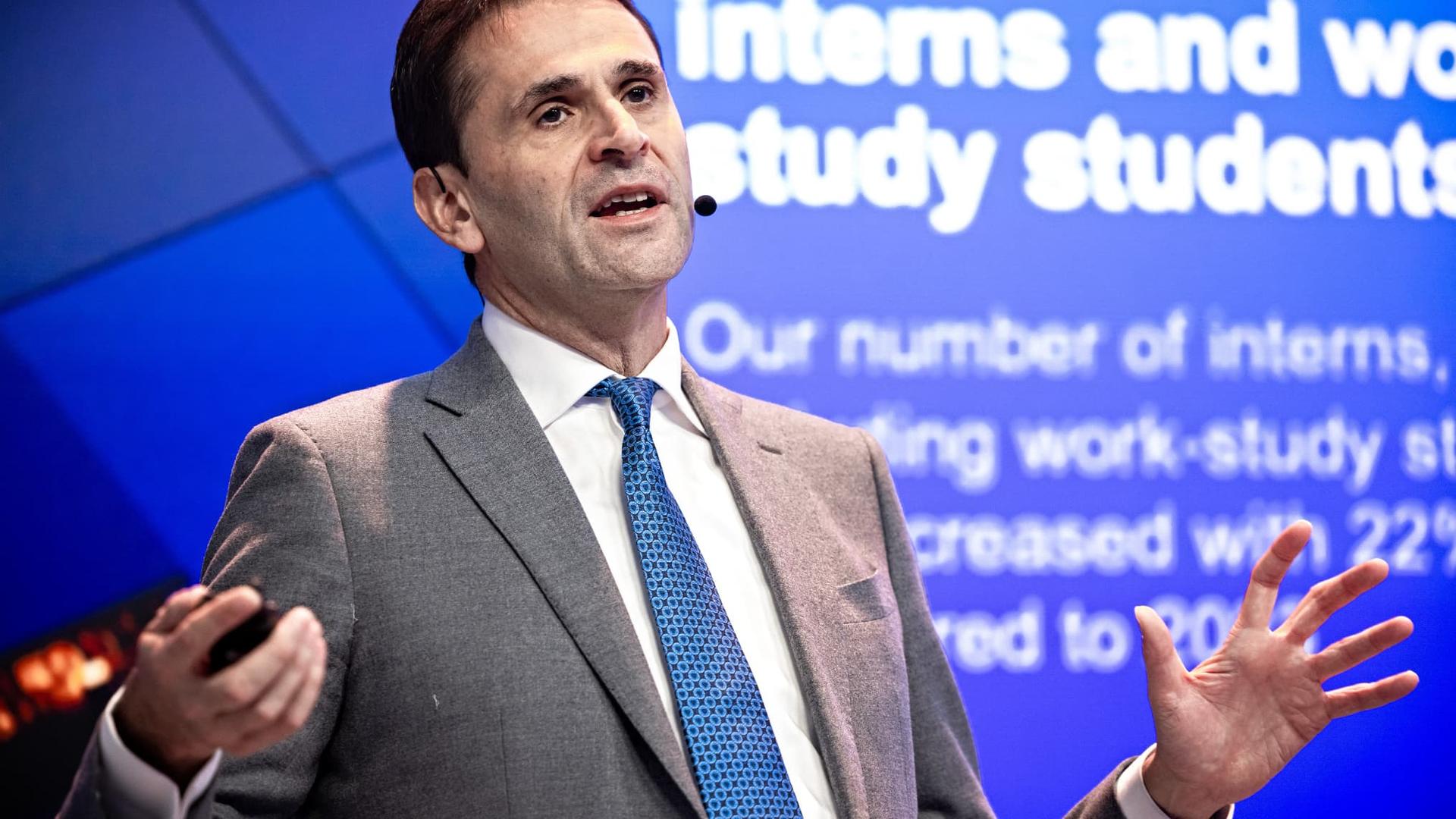
At the Milken Global Conference in Beverly Hills, five executives and researchers including Christophe Fouquet of ASML and Francis deSouza of Google Cloud argued that the AI boom is running into hard physical limits that begin “further down the stack.” Fouquet said he has a “strong belief” that “for the next two, three, maybe five years, the market will be supply limited,” meaning hyperscalers such as Google, Microsoft, Amazon, and Meta “aren’t going to get all the chips they’re paying for, full stop.”
DeSouza tied the bottleneck to demand and infrastructure, saying Google Cloud’s revenue crossed $20 billion last quarter and grew 63%, while its backlog nearly doubled from $250 billion to $460 billion. The discussion also placed a second constraint beyond silicon, with Qasar Younis arguing that “You have to find it from the real world,” because “no amount of synthetic simulation fully closes that gap.”
Energy, orbit, and integration
DeSouza said energy is the next looming bottleneck and confirmed that Google is exploring data centers in space as a response to energy constraints. He explained that “You get access to more abundant energy,” but noted that in orbit “space is a vacuum,” which eliminates convection and leaves radiation as the only way to shed heat.
In the same exchange, DeSouza argued that co-engineering the AI stack improves efficiency, saying “Running Gemini on TPUs is much more energy efficient than any other configuration.” Fouquet echoed the theme of value and cost in the physical layer, saying “Nothing can be priceless,” as the industry invests extraordinary amounts of capital and runs into the tradeoff that “more compute means more energy, and more energy has a price.”
ASML’s EUV moat
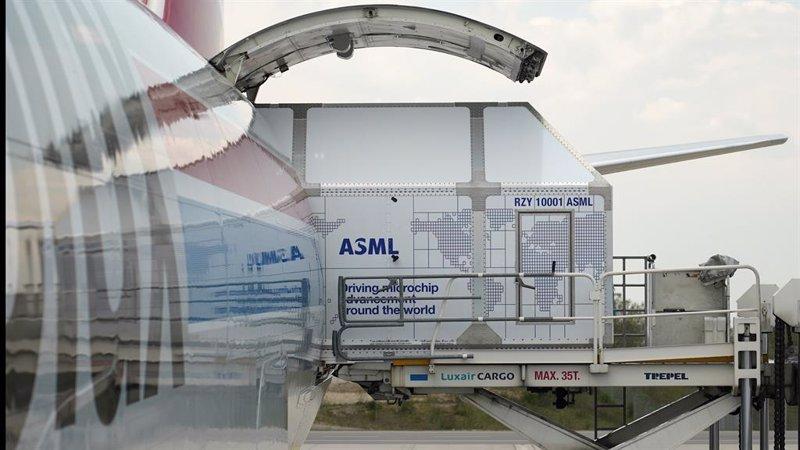
The supply-chain constraints were also framed through ASML’s position in extreme ultraviolet lithography, which TechCrunch described as a monopoly on the machines “without which modern chips would not exist.” TIn a separate interview, Christophe Fouquet told TechCrunch that “no competitor is coming for the Dutch semiconductor equipment company’s position in extreme ultraviolet lithography,” and the article attributes that to physics and accumulated expertise rather than capital alone.
The same source details how ASML’s EUV systems rely on light at “13.5-nanometer wavelengths” generated by firing a laser at tin droplets “50,000 times per second,” producing plasma that emits extreme ultraviolet light. It also states that ASML has spent “approximately 30 years” developing manufacturing knowledge and supplier relationships, and that EUV systems require a dedicated supply chain involving Carl Zeiss for mirror optics and “hundreds of specialised suppliers” for other subsystems.