Gaza Genocide24 June, 20262 min read
Cochav Elkayam-Levy Confronts UN Human Rights Council Over Hamas Sexual Crimes On Oct. 7
This article is an automated aggregation of coverage from news outlets. Our editorials offer in-depth analysis curated by the NewsCord team.
Dr. Cochav Elkayam-Levy presented findings at the UN Human Rights Council in Geneva. The commission's report documents Hamas sexual crimes on Oct. 7 and in captivity.
The Jerusalem Post was read line by line by the Watchdog: 4.8. See the score →
UN clash over Oct. 7
Dr. Cochav Elkayam-Levy, chair of the Civil Commission on Oct. 7 Crimes by Hamas against Women and Children, confronted the UN Human Rights Council in Geneva on Wednesday, presenting findings from the commission’s report on sexual crimes committed by Hamas during the massacre and in captivity.
Elkayam-Levy told the council, “For more than two years, we documented crimes that many believed were impossible,” and she said the commission documented “13 patterns of crimes, including rape, gang rape, sexual torture, intentional burning and the deliberate mutilation of victims’ faces and genitals.”
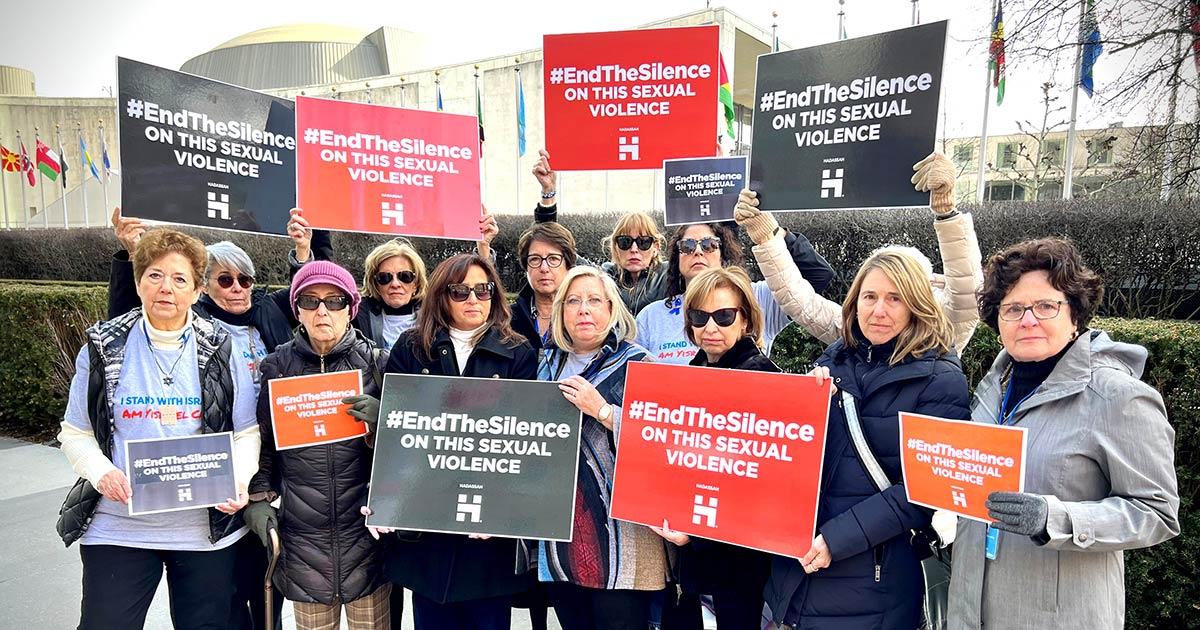
Hillel Neuer, executive director of UN Watch, said after the speech that “Human rights cannot be selective,” framing the commission’s presentation as a demand for “the same recognition, the same compassion and the same justice” for the victims of Oct. 7.
Neuer also criticized UN officials he said denied or downplayed Hamas’ crimes, saying “including Reem Alsalem, the UN special rapporteur on violence against women, denied, questioned, minimized the severity of Hamas’ crimes.”
Gritzewsky challenges Alsalem
Former Gaza hostage Ilana Gritzewsky took the floor at the UN Human Rights Council on Tuesday at the Palais des Nations in Geneva to confront UN Special Rapporteur Reem Alsalem over what she described as minimization of sexual violence used against victims on October 7, 2023.
Gritzewsky demanded, “Your report speaks about violence against women. Why is there no mention of Hamas?” and she described her experiences during the October 7 massacre, saying, “I woke up half naked with seven terrorists standing over me, not knowing what happened to me in those lost moments.”
She accused Alsalem of choosing “silence and denial,” and she told the rapporteur, “I am standing here today - not as a report, not as a statistic,” adding, “I am the living proof of sexual violence by Hamas.”
In the same UN setting, Gritzewsky also addressed Alsalem’s position from November 2025, when Alsalem stated that “No independent investigation found that rape took place on October 7,” according to the Jerusalem Post account.
Pressure, standards, and next steps
UN Watch said Elkayam-Levy’s appearance came one day after it brought Gritzewsky to confront Alsalem, and UN Watch framed the sequence as a shift from testimony to evidence, with Neuer saying, “The question is no longer whether these crimes occurred.”
UN Watch described the commission’s report as documenting “13 distinct patterns of sexual and gender-based violence,” including rape, gang rape, sexual torture, mutilation, and crimes committed against hostages in captivity, and it said the report drew on “survivor testimony, witness accounts, forensic evidence, visual documentation, and expert analysis.”
UN Watch also said it called on UN officials, including special rapporteurs and other mandate holders who denied, minimized, or cast doubt on the crimes, to publicly acknowledge the evidence and support accountability for the victims.
Looking ahead, UN Watch said that on Friday it would host an official Human Rights Council side event featuring Dr. Cochav Elkayam-Levy alongside Yazidi survivor Fawzia Amin Sido, Afghan-Iranian women’s rights activist Marzieh Hamidi, and anti-FGM campaigner Nimco Ali.