Gaza Genocide · 23 June, 2026 · 2 min read
OIC Assistant Secretary-General Dawas Joins Rabat Panel on Al-Quds Global Narrative for Peace
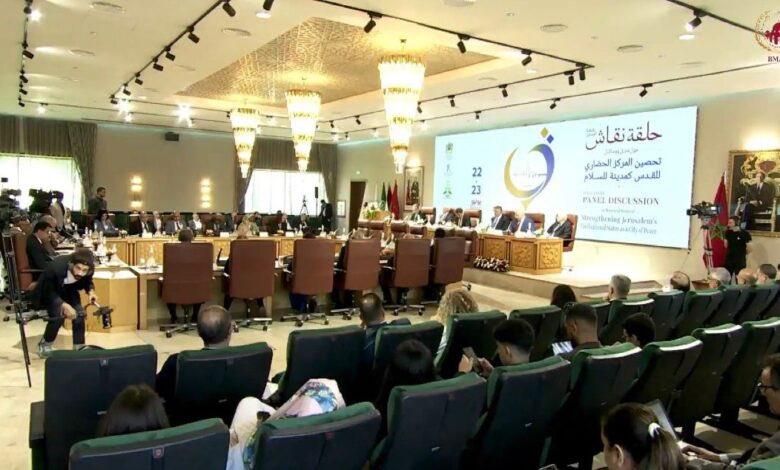
OIC Assistant Secretary-General Dawas participated in Rabat panel on Jerusalem's global peace narrative. Panel organized by Bayt Mal Al-Quds Al-Sharif Agency with Moroccan partners in Rabat.
How Jerusalem messaging should be built for global audiences.
9 of 11 outlets skipped it: a separate Rabat meeting: Assaf with Morocco’s Academy..
11outlets compared
Same story, two versions
tap a side to read it in full
Organisation of Islamic Cooperation — OIC
“not merely a city or a political issue”Read the original ↗
They emphasize different levers: media methodology vs civilizational meaning.
Rabat narrative push
A panel discussion titled “Al-Quds (Jerusalem): A Global Narrative for Peace” took place in Rabat, the capital of the Kingdom of Morocco, on Monday 22 June 2026 as part of Rabat’s designation as the Capital of Arab Media for 2026.
OIC Assistant Secretary-General for Palestinian and Al-Quds Affairs Ambassador Dr. Dawas Dawas said Al-Quds Al-Sharif is “not merely a city or a political issue, but rather a symbol deeply rooted in history, collective consciousness, and human identity.”
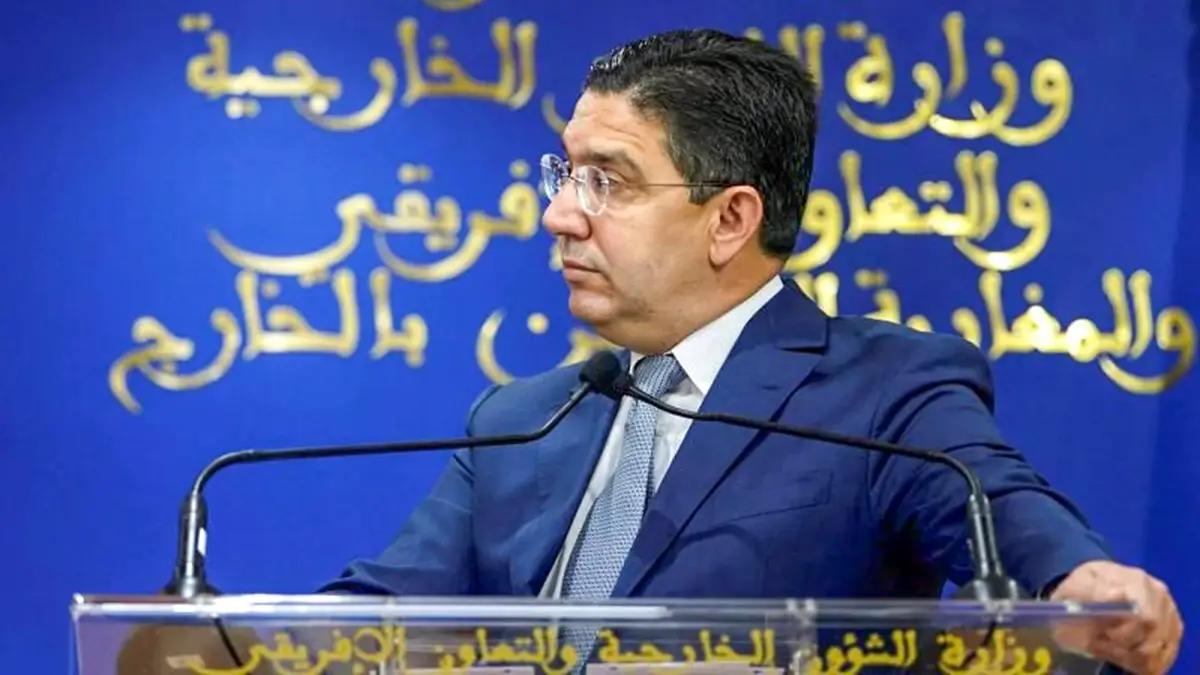
Dawas also said the OIC’s establishment was closely linked to the city of Al-Quds Al-Sharif, noting that “the Palestinian cause was the main driving force behind uniting the efforts of the Islamic world within a unifying institutional framework.”
The event was organised by the Bayt Mal Al-Quds Al-Sharif Agency in partnership with the Academy of the Kingdom of Morocco and the Ministry of Youth, Culture and Communication, and it was attended by government officials, experts, academics, and representatives of Islamic and Arab organisations.
Media discourse and Gaza
At a Rabat roundtable on “Jerusalem... a title for a global narrative of peace,” Abdeljalil Al-Hamzari, the permanent secretary of the Academy of the Kingdom of Morocco, said Jerusalem “does not need a fleeting media discourse, nor an emotion detached from wisdom.” He urged “a new narrative that fairly recounts its history, preserves its sanctity, protects its residents,” and opens “humanity’s path from power to justice.”
In parallel, Minister Ahmed Assaf, Palestine’s General Supervisor of Official Media, said Palestine’s participation in the meeting comes as “growing Arab and international attention to Jerusalem” increases, and he stressed that “any path to peace cannot be achieved without a just resolution of its status and the rights of the Palestinian people there.” Assaf also linked the Palestinian narrative to Gaza by saying Arab and international media should convey “the true image of what is happening in Jerusalem and Gaza, away from misleading rhetoric,” while calling for a discourse that is understood by Western audiences and their institutions.

Arab media strategy stakes
WAFA said the Bayt Mal Al-Quds Al-Sharif Agency concluded the high-level panel discussion in Rabat on Tuesday 23 June 2026, after holding it on June 22 and 23, 2026 under the theme “Jerusalem: A Global Narrative for Peace.” In the final statement, participants said Arab media’s defense of Palestinians’ right to establish their state on the “June 4, 1967 borders, including the West Bank and the Gaza Strip, with East Jerusalem as its capital” should be based on a discourse understood by Western audiences.
The statement also called for “active intervention by media bodies in the Arab world” to improve and review media content directed abroad on priority Arab issues, “foremost among them the Palestinian cause and the question of Jerusalem.” It further urged compatibility with technical and technological standards to facilitate promotion and dissemination across international digital media platforms, naming “Google, Facebook, Amazon, and Netflix,” to counter “prevailing opposing narratives on those platforms.”