Cologne Court Rejects Extremist Label for AfD Despite Anti-Constitutional Tendencies
Key Takeaways
- AfD makes strong gains in regional elections, signaling rising far-right strength.
- Eastern Germany shows strongest support, with polls near 30–40% in Saxony-Anhalt.
- AfD could govern Saxony-Anhalt, signaling a regional power shift.
Court Ruling and Fallout
The Cologne Administrative Court ruled that it is not possible to qualify the AfD as a far-right 'extremist' party despite anti-constitutional suspicions, even as it acknowledged strong suspicions that the party was developing 'anti-constitutional tendencies'.
“The party of German Chancellor Friedrich Merz came out ahead on Sunday, March 22, in the regional elections in Rhineland-Palatinate, in the western part of the country, ahead of the Social Democrats, who suffered a setback in one of their strongholds, while the far right appears headed for a record score, according to early results”
The decision issued on Thursday, February 26, said it was not currently possible to say that the AfD is an 'avowed right-wing extremist party'—the official formulation—after the Interior Ministry’s intelligence services classified it as extremist in May 2025.
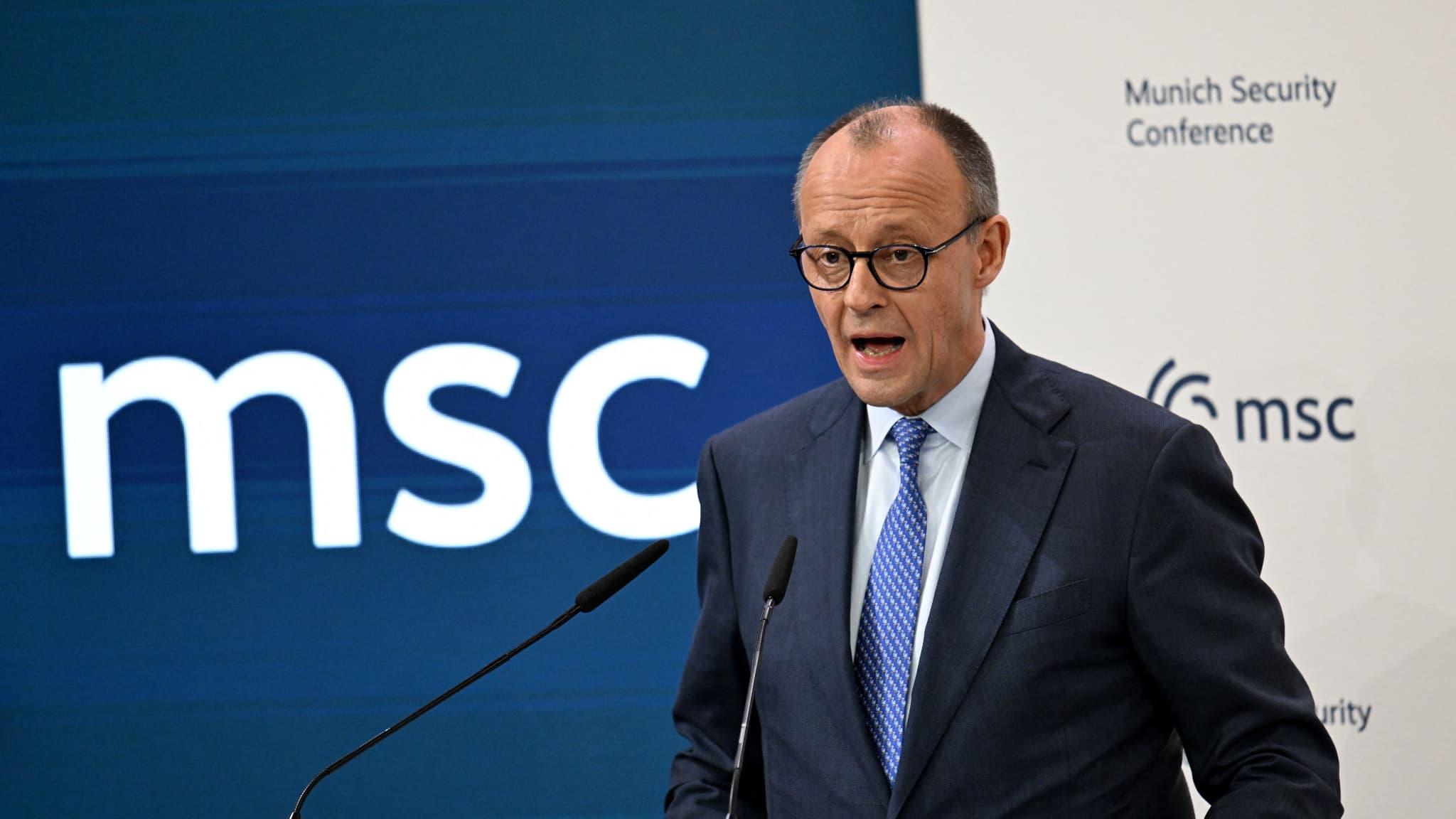
After the ruling, AfD co-leader Tino Chrupalla said, 'They tried to discredit us, to marginalize us,' while Alice Weidel hailed 'a great victory for the party, democracy, and the rule of law.'
The Radio France account also links the court fight to a broader political debate, noting that the designation sparked debate among AfD opponents who feared it would boost its popularity, and it adds that Marco Rubio described the decision as 'tyranny disguised.'
Rhineland-Palatinate Vote
In Rhineland-Palatinate, the party of German Chancellor Friedrich Merz came out ahead on Sunday, March 22, in regional elections in the western part of the country, with early results projecting the CDU at around 30 percent of the vote and the SPD of Vice Chancellor Lars Klingbeil at 27 percent.
The same early estimates from public broadcasters ARD and ZDF put the far right at 20%, marking a record level for a western region of Germany, and the BFM report says the election pitted the CDU conservatives led by the chancellor directly against the SPD.

The outgoing prime minister of Rhineland-Palatinate, Alexander Schweitzer, 52, acknowledged in a recent interview with Die Zeit that his party had become 'sometimes too technocratic' while calling the AfD a 'party of failures'.
BFM adds that Gordon Schneider, 50, was expected to cede the seat to the CDU candidate and rushed to hail his 'victory', saying he intends to bring about changes in education, security, health, and the state's economic policy.
Saxony-Anhalt Stakes
Berlin’s anxiety for 2026 centers on Saxony-Anhalt, where the German far right could be in a position to govern one of the country’s sixteen states for the first time since 1949, with the region electing its new parliament on September 6.
“This is one of Berlin's great anxieties for 2026: the German far right could, in a little over six months, be in a position to govern one of the country’s sixteen states for the first time since 1949”
Le Monde.fr reports that the AfD is approaching 40% of voting intentions in polls in the former East Germany region, and it says that could allow it to seize the regional executive if small parties like the liberals, or even the Greens, fall below 5%.
The paper says the recent publication of the AfD’s Saxony-Anhalt federation program heightened the sense of panic, and it describes the text as going beyond the party’s federal line by calling for 'remigration' and opposing the 'transgender lobby' and 'postcolonial studies'.
El País frames the political momentum in Saxony-Anhalt through AfD figures like Steffen Kraus, a 42-year-old former military man and alderman for AfD, and it quotes the refrain 'We are going to make history' as he speaks in Magdeburg.
More on Europe

France Police Detain 780 After PSG Champions League Win Clashes With Arsenal Fans
14 sources compared

Syrian Doctor Alaa Moussa Sentenced To Life In Germany For Torturing Assad Opponents
13 sources compared

Ukrainian Drones Strike Saratov Oil Refinery, Lazarevo Pumping Station, Fuel Depot in Russia
28 sources compared

Paris Saint-Germain Beat Arsenal 4-3 On Penalties After 1-1 Draw In Budapest Final
16 sources compared