
Colombia And Netherlands Host Santa Marta Conference To Eliminate Fossil Fuels April 24-29, 2026
Key Takeaways
- Colombia and Netherlands host Santa Marta conference on phasing out fossil fuels, April 24–29, 2026.
- First international conference dedicated to gradual elimination of fossil fuels.
- Event aligns with COP31 context and broader energy-transition goals.
Santa Marta conference announced
Colombia is organizing, in partnership with the Netherlands, the first international conference on the gradual elimination of fossil fuels, scheduled for April 24 to 29, 2026 in the port city of Santa Marta.
“Towards the phasing out of fossil fuels”
The initiative was first announced by Colombia together with Vanuatu on the margins of the New York Climate Summit held on September 24, 2025, and Colombia later formally announced it would host the conference jointly with the Netherlands on November 21, 2025 during a press conference on the closing day of COP-30 / CMA-7.
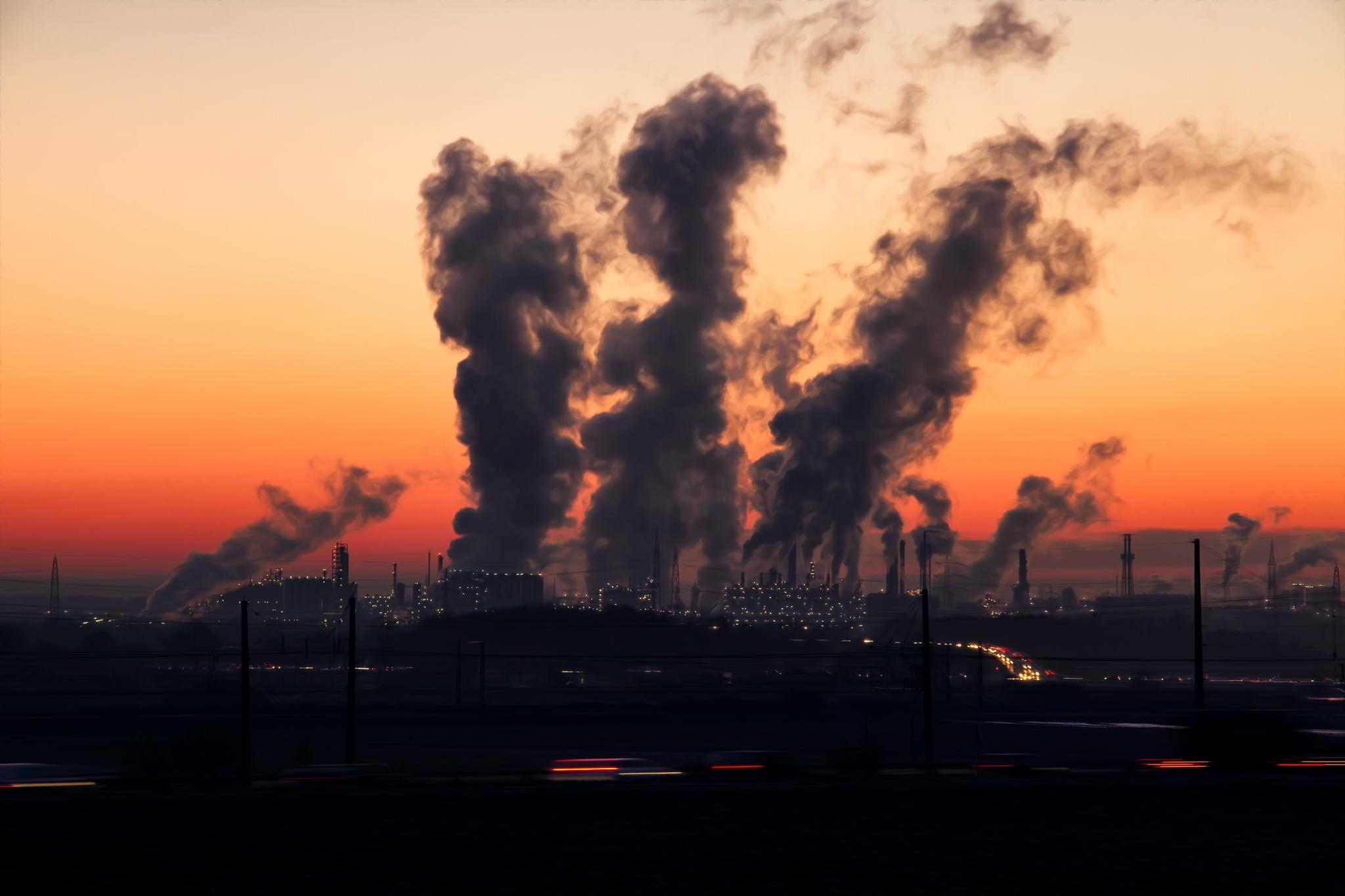
The Santa Marta conference draws on the Belém Declaration for the transition away from fossil fuels signed by 24 countries, including Australia, Mexico, Netherlands, and Vanuatu, and it is framed around the CMA-5 commitment to ensure a transition away from fossil fuels in energy systems by accelerating action during the critical decade.
The conference is structured around April 24-27 stakeholder-led dialogues, including an academic dialogue and a union dialogue, followed by April 28-29 a high-level sequence with participation of Ministers and/or high-level representatives of national governments and subnational authorities.
The hosts say the conference will not culminate in a negotiated outcome like COPs / CMA, but will provide concrete avenues to accelerate the phased withdrawal of fossil fuels and build a coalition of governments and other stakeholders described as a 'coalition of the willing.'
Roadmaps and geopolitical contest
In 2026, the energy transition debate is framed as a contest between electricity-producing states and oil-producing states, after world leaders set goals to move fossil fuels out of energy systems in a manner that is just, orderly, and fair.
The article says the plan called for tripling renewable energy capacity and doubling gains in energy efficiency by 2030, while it also notes that the energy sector accounts for about 75% of global carbon dioxide emissions.
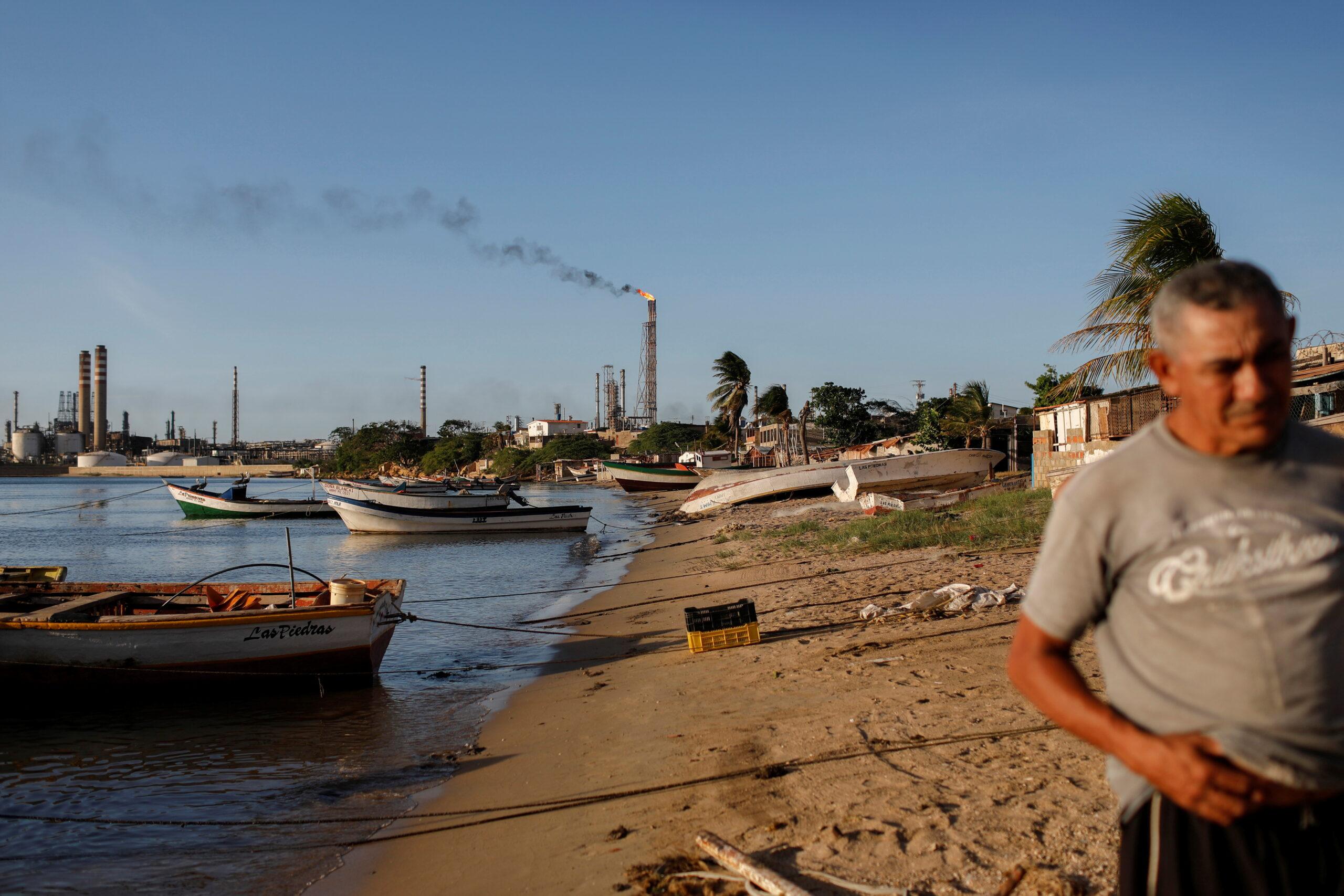
It adds that Brazilian President Luiz Inácio Lula da Silva opened COP30 by calling for the creation of an official roadmap, and that more than 80 countries declared their support for this idea.
The same source says the opposition, led by the oil and gas producing countries of the Arab Group, prevented any mention of a roadmap-like energy transition plan in the final climate agreement, while supporters continue to press ahead.
It also reports that Brazilian diplomat and COP30 president André Aranha Corrêa do Lago has committed to leading an initiative in 2026 to create two roadmaps, including one on transitioning to fossil-fuel-free energy systems in a just, orderly, and fair manner.
COP31 delivery and domestic plans
Climate Home News says COP31 must persuade countries to make fossil fuel transition plans, arguing that COP31 will need to move from frameworks to delivery after the last COP in Belém created building blocks like a Global Implementation Accelerator and a Just Transition Mechanism.
“Two years ago, countries around the world set the goal of moving fossil fuels out of energy systems in a manner that is just, orderly, and fair”
It says the historic first international conference on the transition away from fossil fuels in Santa Marta, Colombia, in April added further momentum, and it argues that the fossil fuel crisis has become a development crisis for importing low-income countries.
The article also says the Presidency-led Belém Roadmaps on forests and transitioning away from fossil fuels (TAFF) are expected to be presented at COP31, and that the next step should be domestic roadmaps showing how countries will actually implement the transition at home.
It calls for domestic implementation roadmaps with concrete milestones, sectoral targets, investment strategies and policy measures, while warning that without credible planning and international cooperation the transition risks being too slow and increasingly chaotic.
The piece quotes Fatih Birol, head of the International Energy Agency, calling the situation the "biggest energy crisis in history" and says a UN climate summit that fails to address fossil fuel dependency, energy affordability and energy access will fail politically, economically, and socially too.
More on Technology and Science
3-Foot Meteor Explodes Near Massachusetts-New Hampshire Border, Shaking Southern New England
15 sources compared

AUKUS Nations Plan Underwater Drones To Protect Undersea Cables By 2027
15 sources compared

Dutch Police and NCSC Dismantle 17 Million-Device Botnet From Netherlands Servers
12 sources compared

Texas Measles Outbreak Spreads Across West Texas, Hospitalizing 99 and Killing Two Unvaccinated Children
10 sources compared