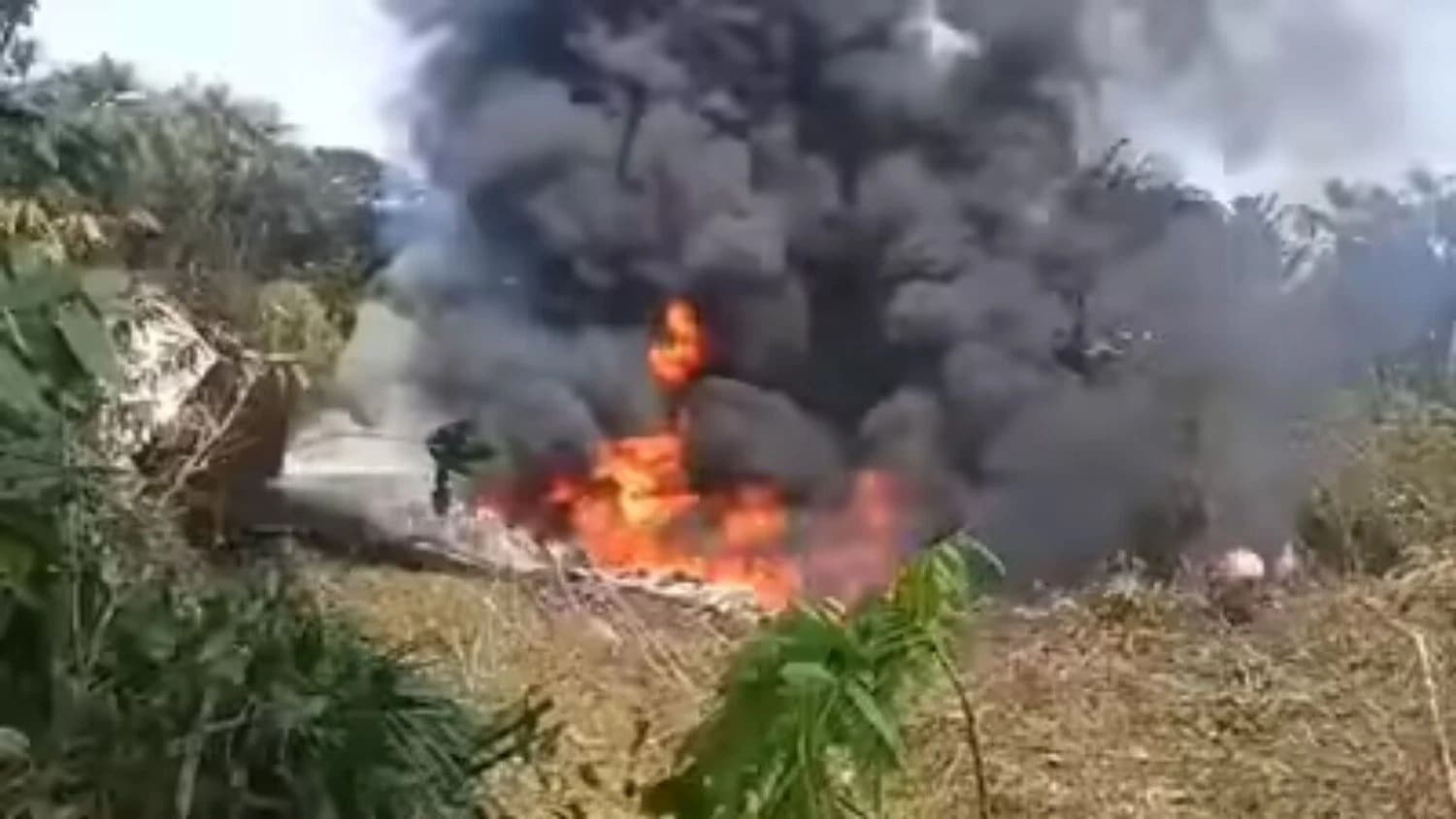
Colombia's military plane crashes after takeoff, 66 dead
Key Takeaways
- A Lockheed C-130 Hercules crashed shortly after takeoff from Puerto Leguízamo, Putumayo.
- The plane carried about 125 people, mostly soldiers; at least 66 killed.
- Dozens injured; rescue operations underway and investigators assessing the cause.
Crash Overview
A Colombian Air Force C-130 Hercules military transport aircraft crashed shortly after takeoff on March 23, 2026, near the town of Puerto Leguízamo in Putumayo province.
“Enjoy unlimited access”
The crash resulted in the deaths of 66 military personnel, making it one of the deadliest aviation accidents in recent Colombian military history.
The aircraft was carrying approximately 125 people, including 114-115 soldiers, 11 crew members, and two national police officers.
The Lockheed Martin-built plane went down just 1.5-3 kilometers from the airport as it transported troops between military outposts.
The crash occurred in the southern Amazon region near Colombia's borders with Peru and Ecuador.
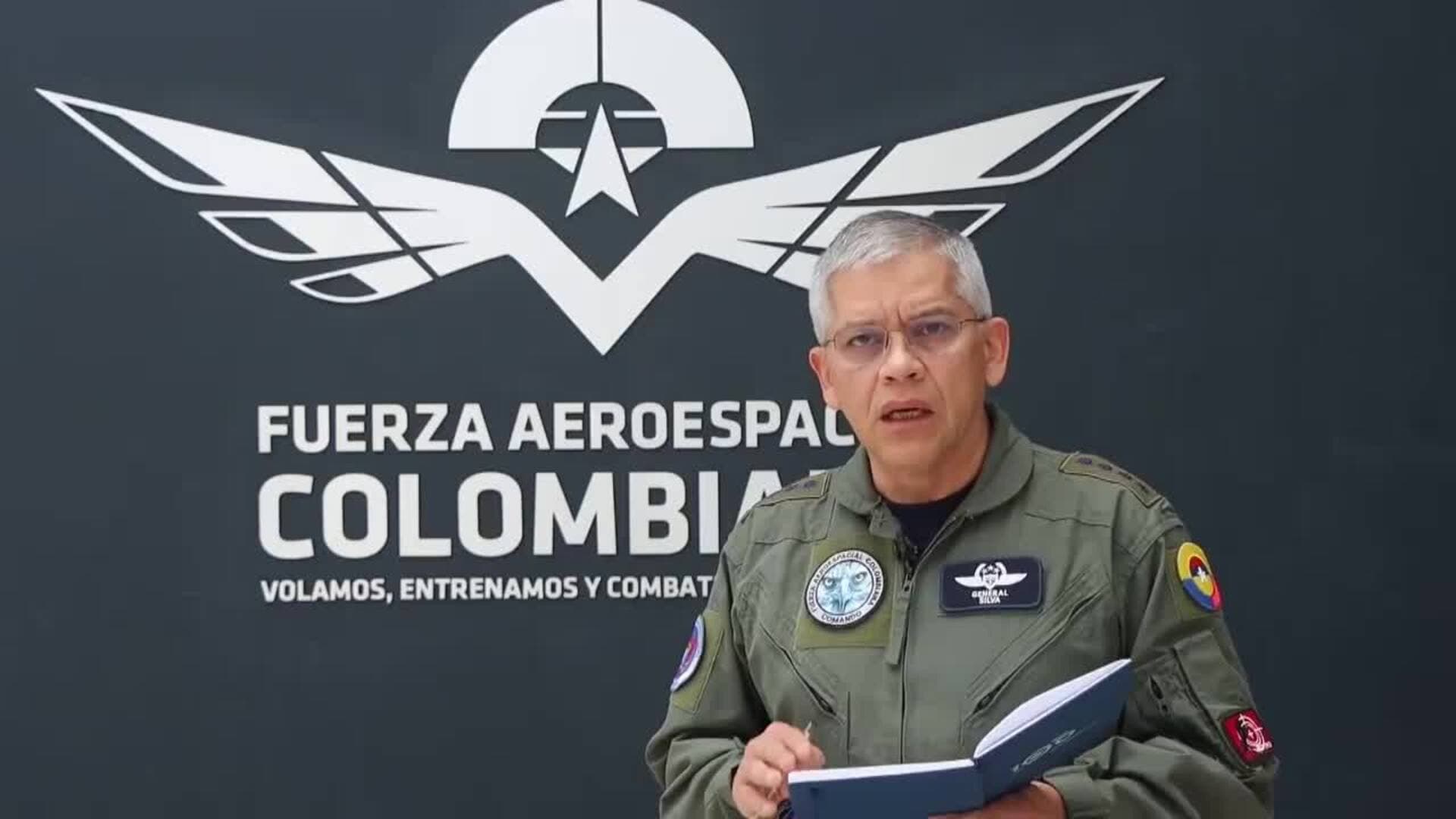
Defense Minister Pedro Sánchez confirmed the tragic nature of the incident while emphasizing that initial investigations found no evidence of an attack by illegal armed groups.
Rescue Operations
Emergency rescue operations faced significant challenges due to the remote jungle location and difficult terrain.
Local residents played a crucial role in initial response efforts, using motorcycles to transport injured soldiers from the crash site.

Videos shared across multiple media outlets showed civilians attempting to extinguish fires from the wreckage.
Authorities deployed two aircraft with 74 medical beds to evacuate injured personnel to hospitals in Bogotá and other urban centers.
At least 57-81 survivors were hospitalized, with some in critical condition.
The crash site's inaccessibility complicated recovery operations, as Putumayo Governor Jhon Gabriel Molina noted 'great difficulties in evacuating the victims from the small airport'.
Local government secretary Carlos Claros expressed gratitude to the people of Puerto Leguízamo who came out to help the victims.
Technical Investigation
Technical investigations into the crash are ongoing, with preliminary reports suggesting the aircraft experienced a loss of lift shortly after takeoff.
“Local press reports indicated there were between 80 and 120 uniformed personnel on board”
Firefighter Eduardo San Juan Callejas told Caracol that the plane suffered an impact near the end of the runway during take-off.
As the aircraft descended, one of its wings struck a tree before the plane plummeted to the ground.
The crash triggered a fire that caused ammunition being transported onboard to detonate, further complicating rescue efforts.
Aviacionline reported that meteorological conditions showed high humidity and temperature that increased density altitude and reduced performance.
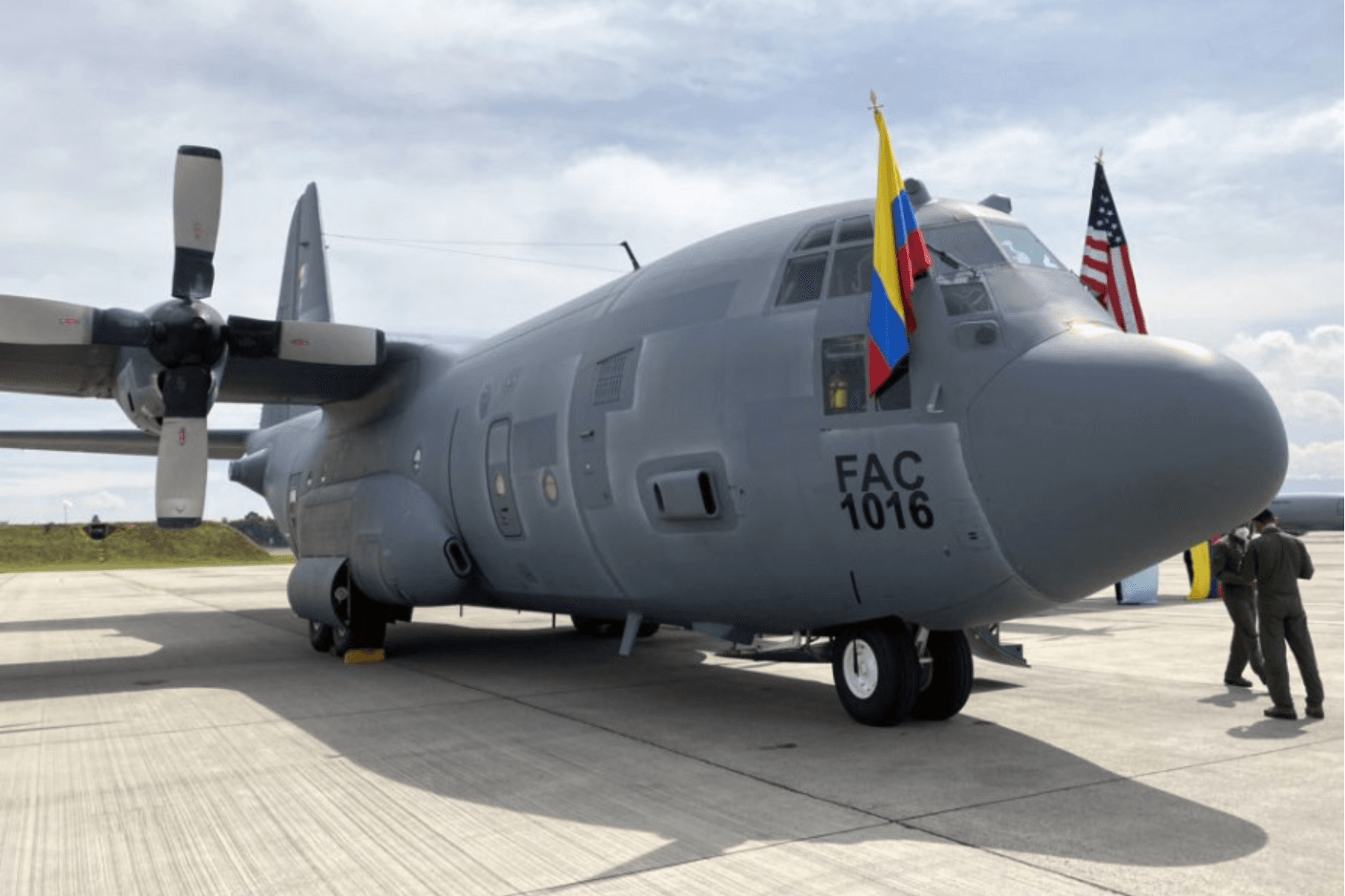
The aircraft involved, identified as FAC 1016, was a C-130H that arrived in Colombia in September 2020 as part of the Excess Defense Articles program from the United States.
The aircraft underwent Programmed Depot Maintenance between 2021-2023, including a complete structural overhaul and engine updates.
Political Response
President Gustavo Petro seized the tragedy to highlight his longstanding campaign to modernize Colombia's aging military equipment.
Petro criticized bureaucratic obstacles that have delayed fleet upgrades, describing the crash as a 'horrific accident that should never have happened'.
The president warned that 'I will grant no further delays; it is the lives of our young people that are at stake.'
Petro stated that 'if civilian or military administrative officials are not up to this challenge, they must be removed,' suggesting accountability for bureaucratic delays.
Colombia has operated C-130 aircraft since the late 1960s, with some older models modernized with newer versions from the United States.
The fleet remains largely aging infrastructure despite modernization efforts under surplus equipment transfer programs.
The crash comes amid heightened operational demands on Colombia's armed forces in remote regions, particularly in Putumayo where dense jungle and limited infrastructure make air transport essential.
Regional Context
The crash occurred in a region of heightened military significance where Colombian and Ecuadorian forces coordinate efforts against drug-trafficking cartels.
“Officials have not released details on survivors or the aircraft’s intended destination”
 Al Bawaba
The border area where the plane went down has been the scene of heavy military activity in recent weeks.
 Al Bawaba
Authorities have been attempting to combat organized crime and armed groups that operate in the region.
The aircraft was reportedly transporting troops between military outposts in Putumayo's dense jungle terrain.
Road infrastructure is largely non-existent in this area, making air transport the only viable alternative for troop movements.
The C-130 Hercules serves as a vital tool for Colombia's Military Transport Air Command (CATAM) in this challenging environment.
The crash highlights ongoing security challenges in Colombia's border regions plagued by decades of internal conflict and armed groups.
Fleet Concerns
The Colombian C-130 crash follows a similar incident in South America less than a month prior.
On February 27, 2026, a Bolivian Air Force C-130 crashed in El Alto, killing more than 20 people and injuring around 30 others.
The Bolivian aircraft was carrying banknotes when it crashed, with banknotes scattering around the crash site.
Both incidents involve the Lockheed Martin C-130 Hercules, a four-engine turboprop aircraft first introduced in the 1950s.
The aircraft is renowned for its ability to operate from makeshift airstrips in challenging environments.
Colombia acquired its first C-130 models in the late 1960s and has relied on these aging aircraft for military operations.
Recent modernization efforts have included receiving newer versions from the United States under surplus equipment transfer programs.
The modernization process has been hampered by bureaucratic delays and funding constraints.
More on South America

President Nicolás Maduro arrives in New York to face U.S. charges after operation.
12 sources compared
US Captures Nicolás Maduro, Flies Venezuelan President to New York
21 sources compared
Nuevitas thermoelectric plant triggers Cuba's second nationwide blackout in less than a week
30 sources compared
.jpg&w=3840&q=75)
United States Oil Blockade Triggers Cuba's Second Nationwide Blackout
125 sources compared