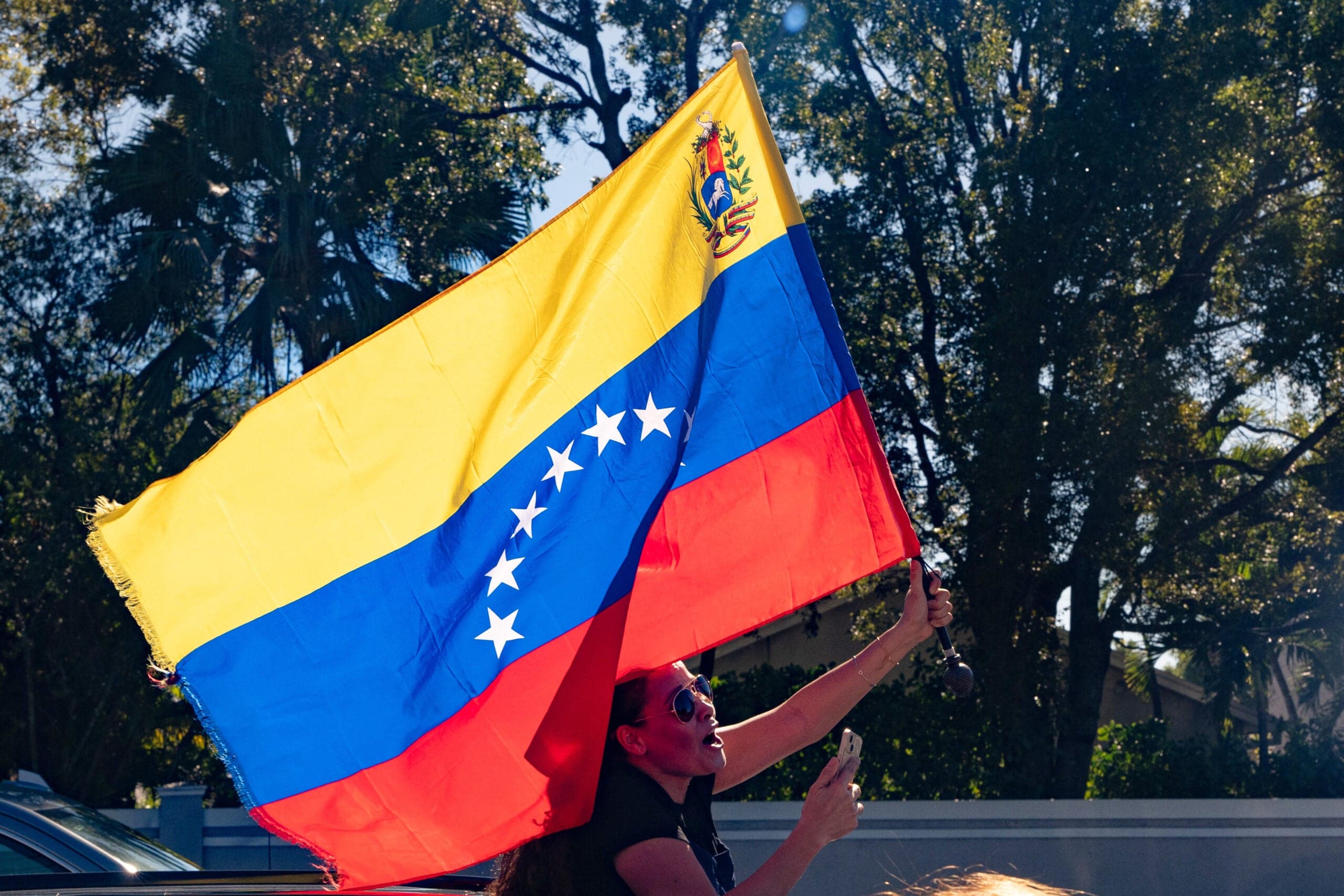
US Captures Nicolás Maduro, Flies Venezuelan President to New York
Key Takeaways
- U.S. conducted a military operation to capture Maduro and transport him to New York.
- Maduro faces narco-terrorism conspiracy charges in the United States.
- The operation occurred on January 3, 2026.
Capture Operation
The United States conducted an unprecedented military operation to capture Venezuelan President Nicolás Maduro in the early hours of January 3, 2026, targeting the presidential residence in Caracas.
“Analysts, politicians, journalists, but also others from fields such as culture”
The operation involved multiple explosions at civilian and military installations across several Venezuelan states, including Miranda, Aragua, and La Guaira, with Venezuelan authorities reporting that at least 40 people were killed in the attacks.
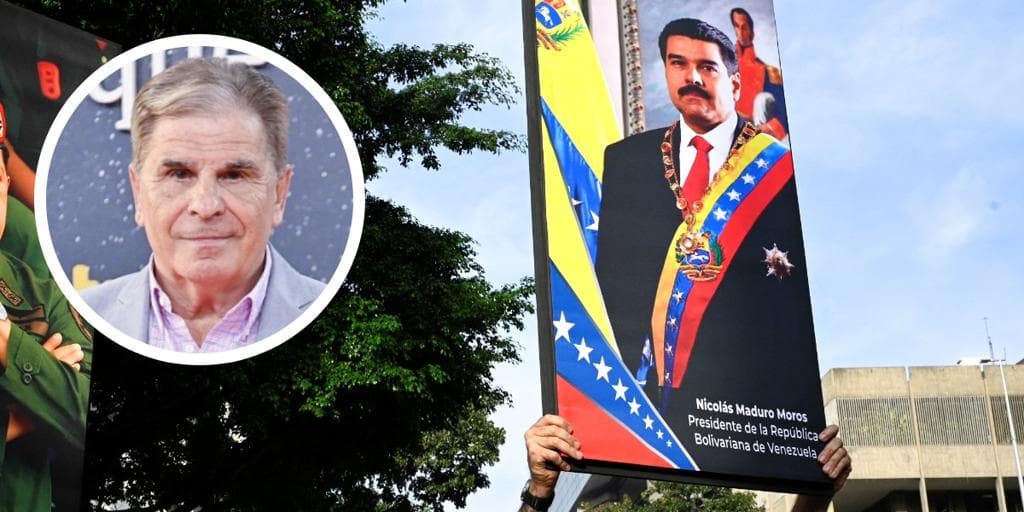
US forces, reportedly led by an elite Delta Force unit, infiltrated Venezuela and arrested Maduro and his wife Cilia Flores from their beds, transporting them first to the USS Iwo Jima amphibious ship before flying them to New York.
The operation was months in the planning, with US officials having rehearsed extensively, learning intimate details about Maduro's daily routine, including where he slept and what he ate.
Transfer to New York
Following his capture, Maduro was transported to the United States where he arrived at Stewart Air National Guard Base in New York around 4:30 p.m. ET on January 3.
He was seen surrounded by FBI agents as he descended the boarding stairs of a US government plane, slowly escorted along the tarmac in handcuffs.

The deposed president was then transferred to the Drug Enforcement Administration offices in New York where he was processed with biometric data, before being transported to the Brooklyn Metropolitan Detention Center where he remains in federal custody.
Images released by US authorities showed Maduro in light gray tracksuit, with ears covered by what appeared to be a noise-cancelling headset, and later giving a thumbs-up gesture while in custody.
Maduro faces multiple charges including narco-terrorism conspiracy, manufacturing, distributing, or delivering controlled substances, and crimes related to automatic weapons based on a 2020 DEA investigation that identified him as the leader of the Cartel de los Soles network.
International Reactions
The US military operation and Maduro's capture have drawn sharply divided international reactions, with widespread condemnation from numerous countries and legal experts questioning the operation's compliance with international law.
“After being captured by U”
The United Nations Secretary-General António Guterres described the US military action as setting "a dangerous precedent" and called for "all actors in Venezuela to engage in inclusive dialogue."
Professor Rebecca Hamilton of American University law school stated that Trump's claim that the United States would "run" Venezuela constitutes a "crime of aggression" under international law, while also noting that hauling a sitting head of state before a US court violates head of state immunity principles.
China and Russia condemned what they called unilateral US aggression against Venezuela's sovereignty, with China declaring that "no country can act as the world's police."
The Organization of American States called for "calm and restraint by all actors" while emphasizing that any solution must be "led by Venezuelans" and based on the country's constitution.
Venezuelan Response
Venezuela's response to the US operation has been defiant, with Vice President Delcy Rodríguez being sworn in as interim president by Venezuela's Supreme Court.
However, Rodríguez has maintained unwavering loyalty to Maduro, declaring "there is only one president in Venezuela, and his name is Nicolás Maduro Moros" while denouncing the US action as a "barbaric" violation of international law.

Venezuelan Interior Minister Diosdado Cabello called for national unity and urged citizens not to "facilitate things for the invading enemy," labeling the attack "criminal and terrorist."
The Venezuelan government requested an emergency meeting of the United Nations Security Council to address what it termed "acts of aggression" by the United States.
Meanwhile, Venezuelan exiles and opposition figures have celebrated the ouster, with Nobel Peace Prize laureate María Corina Machado declaring "the hour of freedom has arrived" and urging the Venezuelan military to recognize Edmundo González as the legitimate president.
Large celebrations erupted in cities worldwide with Venezuelan expatriates, with thousands gathering in Santiago, Miami, and other capitals, with one street vendor telling AFP "At last we'll be able to go back home."
US Administration Goals
President Trump has justified the operation as necessary to combat drug trafficking and has announced that the United States will "run" Venezuela temporarily while tapping its vast oil reserves.
“On January 3, 2026, the United States launched a special operation to exfiltrate Venezuelan President Nicolás Maduro and his wife from Caracas”
Speaking to reporters hours after Maduro's capture, Trump revealed plans to exploit the leadership void to "fix" Venezuela's oil infrastructure and sell "large amounts" of oil to other countries, stating "We'll be selling large amounts of oil to other countries" and that running Venezuela "won't cost us anything."

However, Secretary of State Marco Rubio later contradicted this vision, stating that the United States would have no direct governing role in Venezuela but would maintain the US blockade of sanctioned tankers carrying Venezuela's oil.
The administration has framed the operation as a "surgical law enforcement operation" to arrest alleged "narcoterrorists," with US Representative Mike Waltz asserting that "there is no war against Venezuela or its people."
Defense Secretary Pete Hegseth told CBS news that "Americans will benefit from the capture of Nicolás Maduro," stating "We can ensure that we have access to additional wealth and resources, enabling a country to unleash that, without having to spend American blood."
The Trump administration has expressed uncertainty about Venezuela's political future, dismissing the authority of opposition leader María Corina Machado while suggesting Vice President Delcy Rodríguez could be involved in a transition process.
More on South America

President Nicolás Maduro arrives in New York to face U.S. charges after operation.
12 sources compared
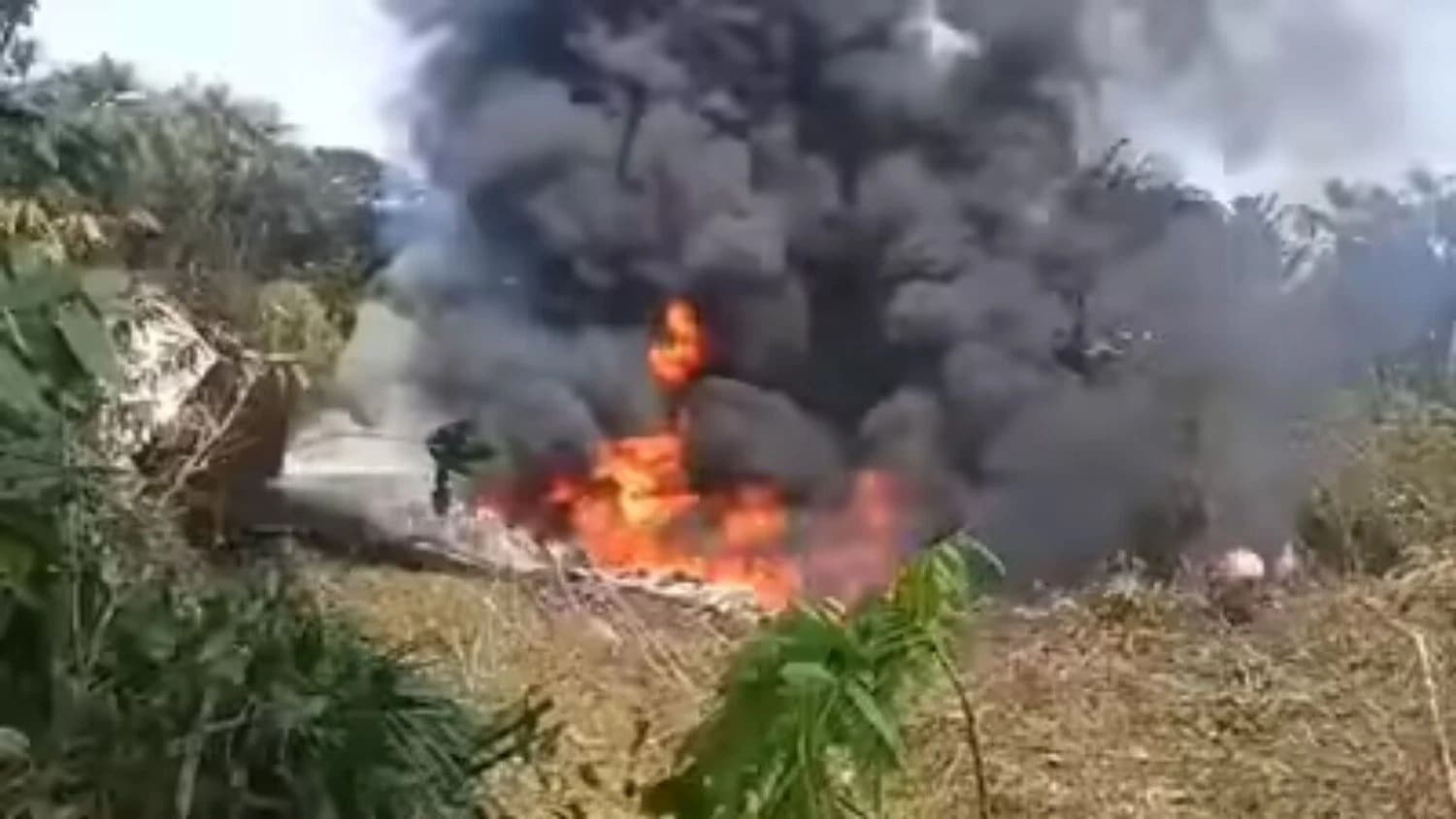
Colombian Air Force C-130 crashes after takeoff, 66 dead
266 sources compared
Nuevitas thermoelectric plant triggers Cuba's second nationwide blackout in less than a week
30 sources compared
.jpg&w=3840&q=75)
United States Oil Blockade Triggers Cuba's Second Nationwide Blackout
125 sources compared