
Colombian military transport plane crashes after takeoff; death toll disputed.
Key Takeaways
- Hercules C-130 crashed shortly after takeoff from Puerto Leguízamo, Putumayo, carrying 125 people, mostly soldiers.
- Death toll rose to 66; dozens injured; earlier tallies ranged between 8 and 34.
- No evidence of attack; investigation ongoing; rescue hindered by remote Amazon terrain.
Crash Overview
A Colombian Air Force C-130 Hercules military transport aircraft crashed shortly after takeoff on March 23, 2026, in the remote Amazon region near Puerto Leguizamo, bordering Ecuador and Peru.
“Enjoy unlimited access”
The aircraft was carrying military personnel on a routine transport mission when it went down during the critical takeoff phase, scattering burning debris across dense jungle terrain.
The incident occurred as the Lockheed Martin-built aircraft was beginning its flight from La Tagua airstrip, with witnesses reporting that the plane appeared to lose altitude quickly after departure before impacting the ground.
Emergency responders were immediately deployed to the crash site, though the remote location and difficult jungle terrain complicated rescue operations.
Disputed Death Toll
The death toll from the crash became a point of significant dispute among Colombian authorities and media outlets, with figures varying dramatically in the hours following the incident.
Initial reports from local government officials suggested a much lower number of fatalities, with Putumayo Governor Jhon Gabriel Molina confirming eight deaths and more than 80 injured in a video shared on Facebook.
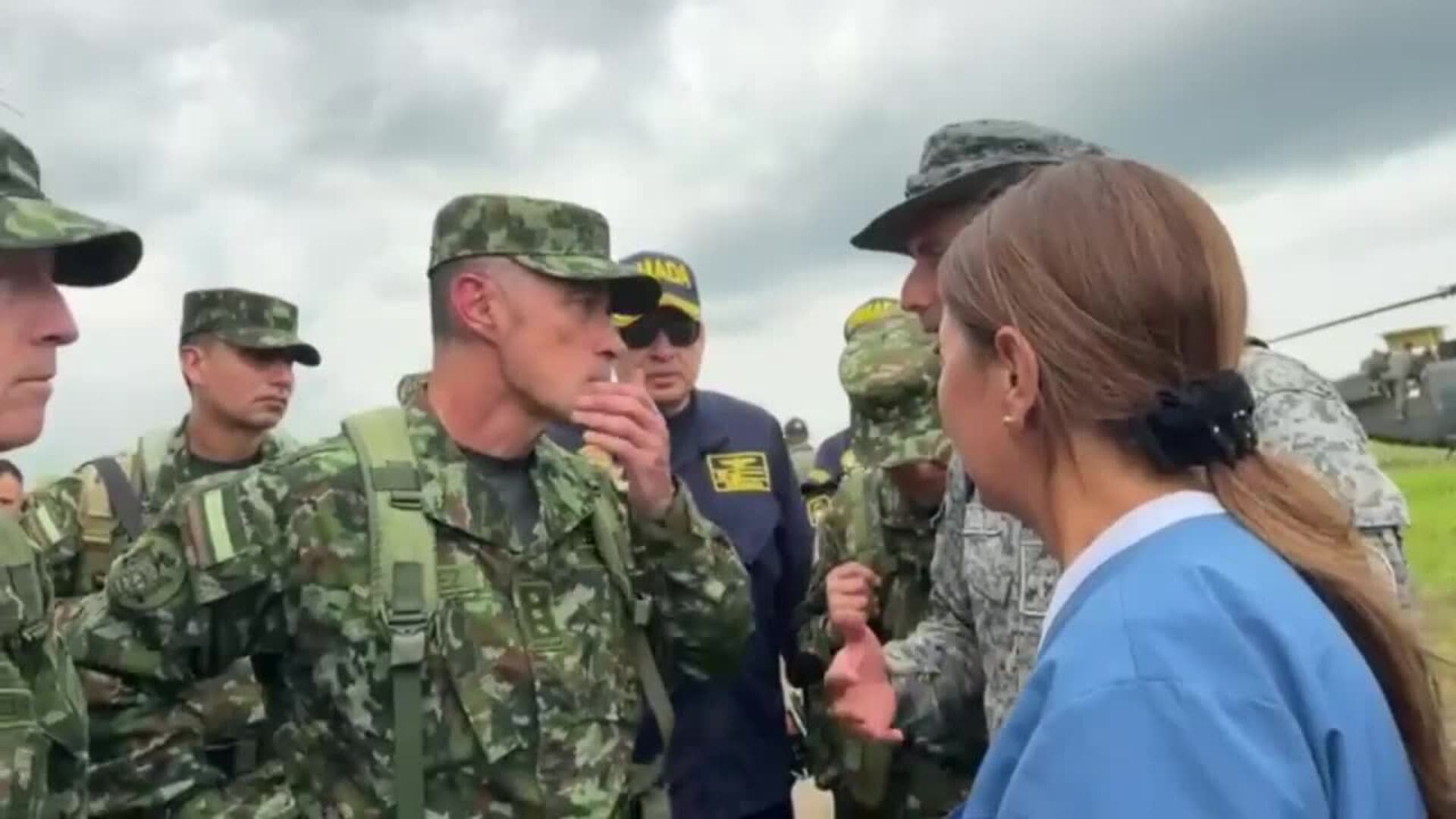
However, military sources later provided dramatically higher casualty figures, with a military source telling AFP that 80 people may have been killed, while Colombian Armed Forces head Hugo Alejandro Lopez eventually confirmed 66 deaths.
This discrepancy created confusion about the actual human cost of the disaster, with authorities explaining that the remote crash site and ongoing recovery operations made accurate accounting difficult.
Rescue Operations
Local residents played a crucial role in the immediate aftermath of the crash, with civilians from Puerto Leguizamo rushing to the scene to assist rescue efforts amid the burning wreckage.
“EFE IMAGES: COLOMBIAN ARMED FORCES FOOTAGE OF THE ARRIVAL OF INJURED SOLDIERS AFTER THE AERIAL ACCIDENT IN PUTUMAYO AT CATAM MILITARY AIRPORT IN BOGOTÁ LaLiga EA SPORTS marks five years of standing up to racism A project with "If you are driving right now on a highway limited to 120 km/h, as long as you do not reach 200, it is not considered reckless driving and is not an aggravating factor" A pair of sneakers for every day of the week: they cost less than 40 euros and they complete your outfits Gonzalo Bernardos warns those who rent in Spain about what could happen in 2027 Carlos Herrera sees Iran firing missiles bearing Pedro Sánchez's face and says what many think This video is exclusive to subscribers Enjoy unlimited access Do you already have a subscription”
Videos shared by local media showed residents using motorcycles to transport injured soldiers to medical facilities, demonstrating remarkable solidarity in the face of tragedy.
The Colombian Aerospace Force confirmed that 48 injured had been rescued alive initially, though this figure later increased as more survivors were located.
Emergency medical teams from the National Navy and local hospitals worked to stabilize casualties before transferring them to larger medical facilities in Bogotá and other cities.
The crash site presented unique challenges for rescue operations, with the dense jungle terrain and limited airport infrastructure hindering the evacuation process.
Investigation & Politics
Colombian Defense Minister Pedro Sánchez initially confirmed that the aircraft was in airworthy condition with a qualified crew and ruled out any indication of an attack by illegal armed groups.
He explained that the sounds of explosions captured in videos were due to the aircraft's own ammunition detonating after impact.
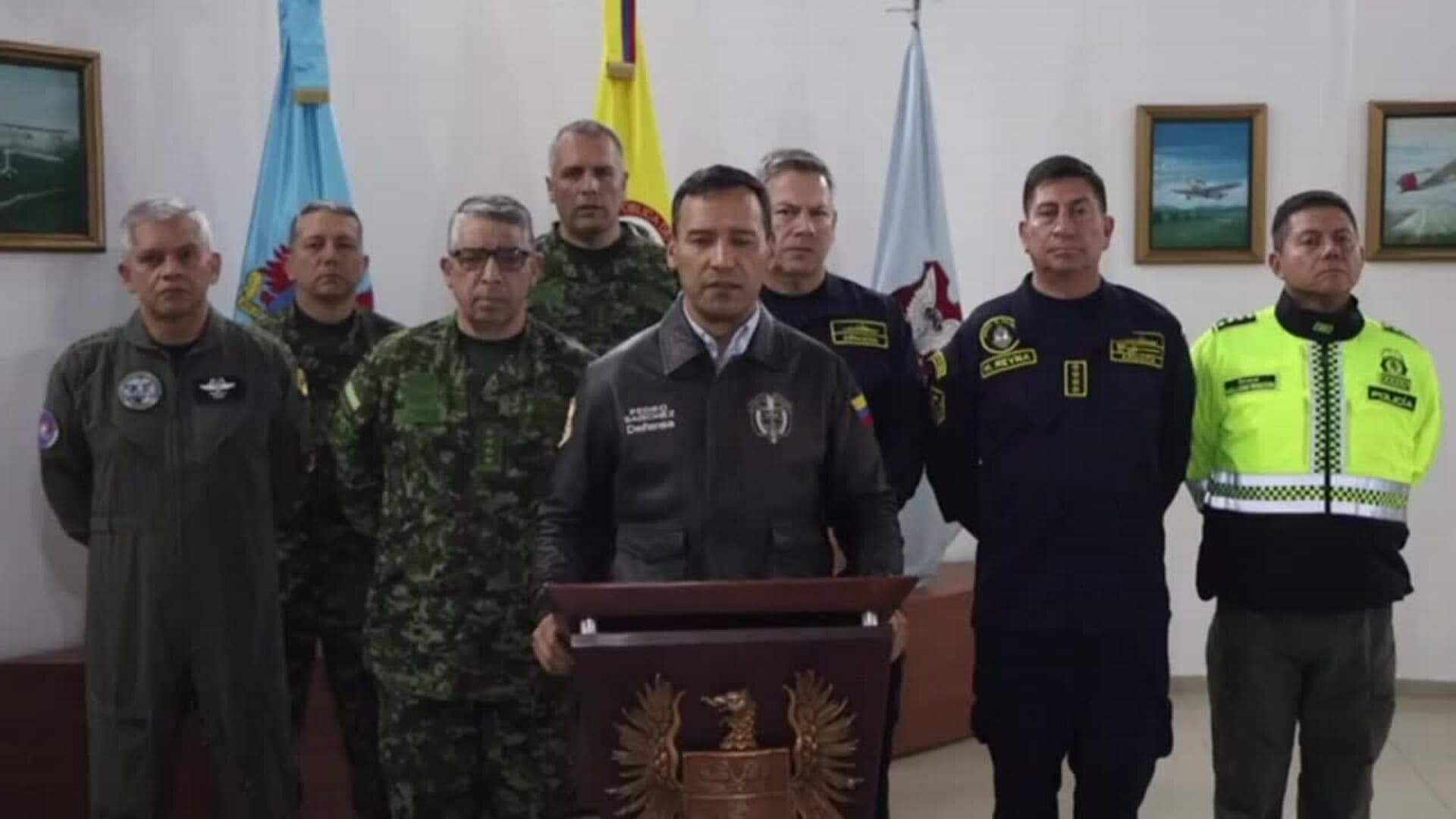
President Gustavo Petro seized on the tragedy to highlight his long-standing campaign to modernize Colombia's military equipment, blaming 'bureaucratic difficulties' for delaying fleet upgrades.
The political dimension of the accident was amplified by Colombia's upcoming May 31 presidential election, with several candidates offering condolences while implicitly criticizing the current administration's defense preparedness.
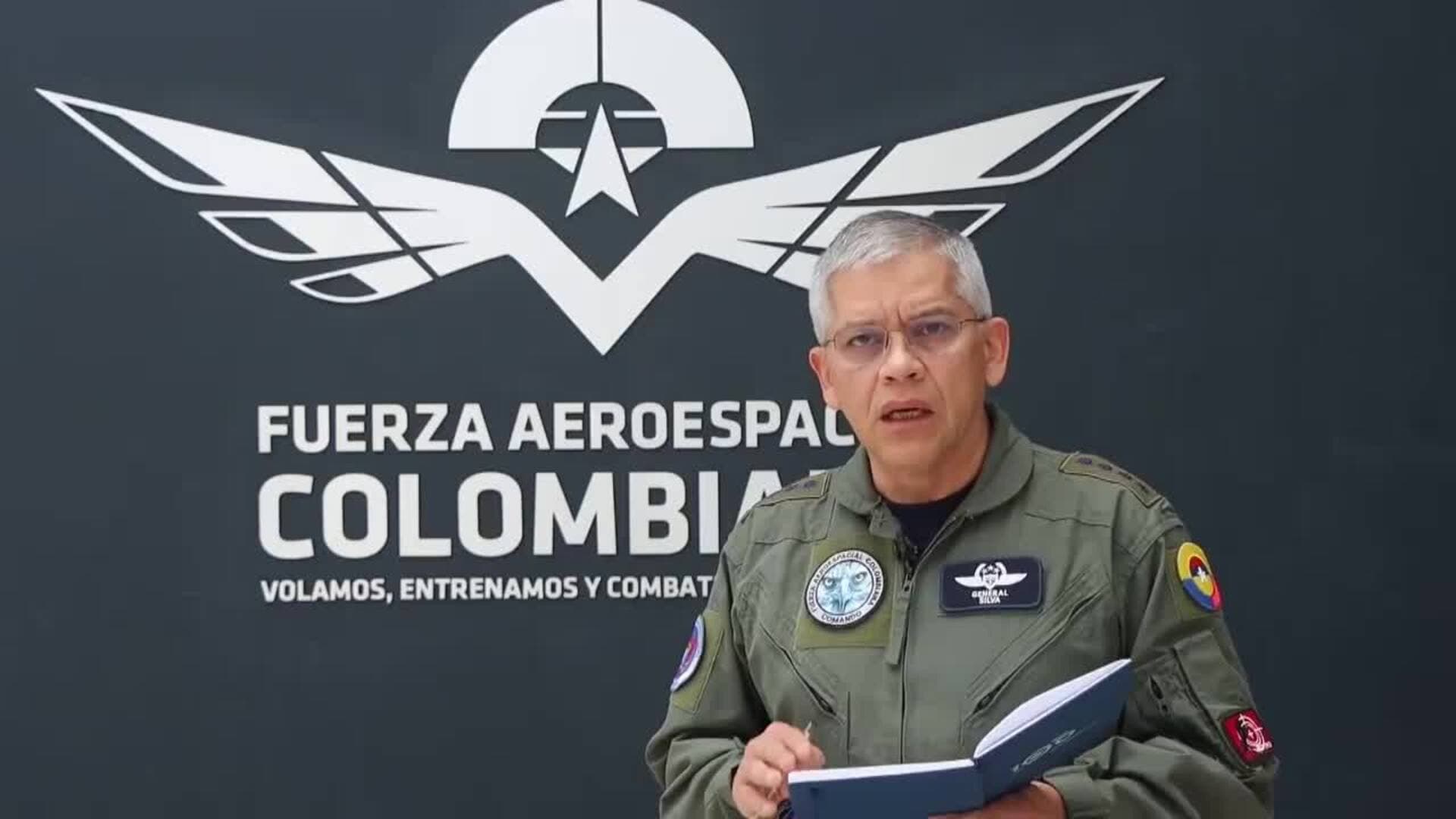
The Colombian Air Force's Inspector General is leading the technical investigation, which will examine flight data, maintenance records, and operational factors to determine the exact cause of the crash.
Regional Context
The crash occurred against a backdrop of heightened military activity in the border region between Colombia, Ecuador, and Peru, where Colombian and Ecuadoran forces have been intensifying operations against drug-running cartels and armed groups.
“In parallel, the National Navy and the Armed Forces said they are monitoring the situation and coordinating with the region's emergency responders to support on-the-ground operations and advance the investigative process”
The incident is the second involving a C-130 Hercules aircraft in South America in less than a month, following a Bolivian military cargo plane crash in El Alto on February 27 that killed at least 24 people.

This pattern has raised concerns about the safety and maintenance of aging military aircraft across the region.
Colombia has operated C-130 aircraft since the late 1960s, with some sources noting that the specific aircraft involved had been donated by the United States in 2020 and underwent maintenance in 2023.
The tragedy has intensified scrutiny of Colombia's military aviation safety protocols and fleet modernization efforts, particularly given the critical role of air transport in the country's remote Amazon regions.
More on South America

President Nicolás Maduro arrives in New York to face U.S. charges after operation.
12 sources compared
US Captures Nicolás Maduro, Flies Venezuelan President to New York
21 sources compared
Nuevitas thermoelectric plant triggers Cuba's second nationwide blackout in less than a week
30 sources compared
.jpg&w=3840&q=75)
United States Oil Blockade Triggers Cuba's Second Nationwide Blackout
125 sources compared