
Colombian Air Force C-130 crashes after takeoff, 66 dead
Key Takeaways
- Hercules C-130 crashed shortly after takeoff from Puerto Leguízamo, Putumayo.
- Casualties total 66 dead, about 57 injured, four missing, per authorities.
- Officials say no evidence of attack by illicit groups; investigations opened.
Crash Overview
A Colombian Air Force Lockheed Martin C-130 Hercules transport aircraft crashed shortly after takeoff on March 23, 2026, near Puerto Leguízamo in Putumayo department, near Colombia's southern border with Ecuador and Peru, resulting in at least 66 fatalities and dozens of injuries.
“'All protocols for victim and family care have been activated, as well as the corresponding investigation,' he stated”
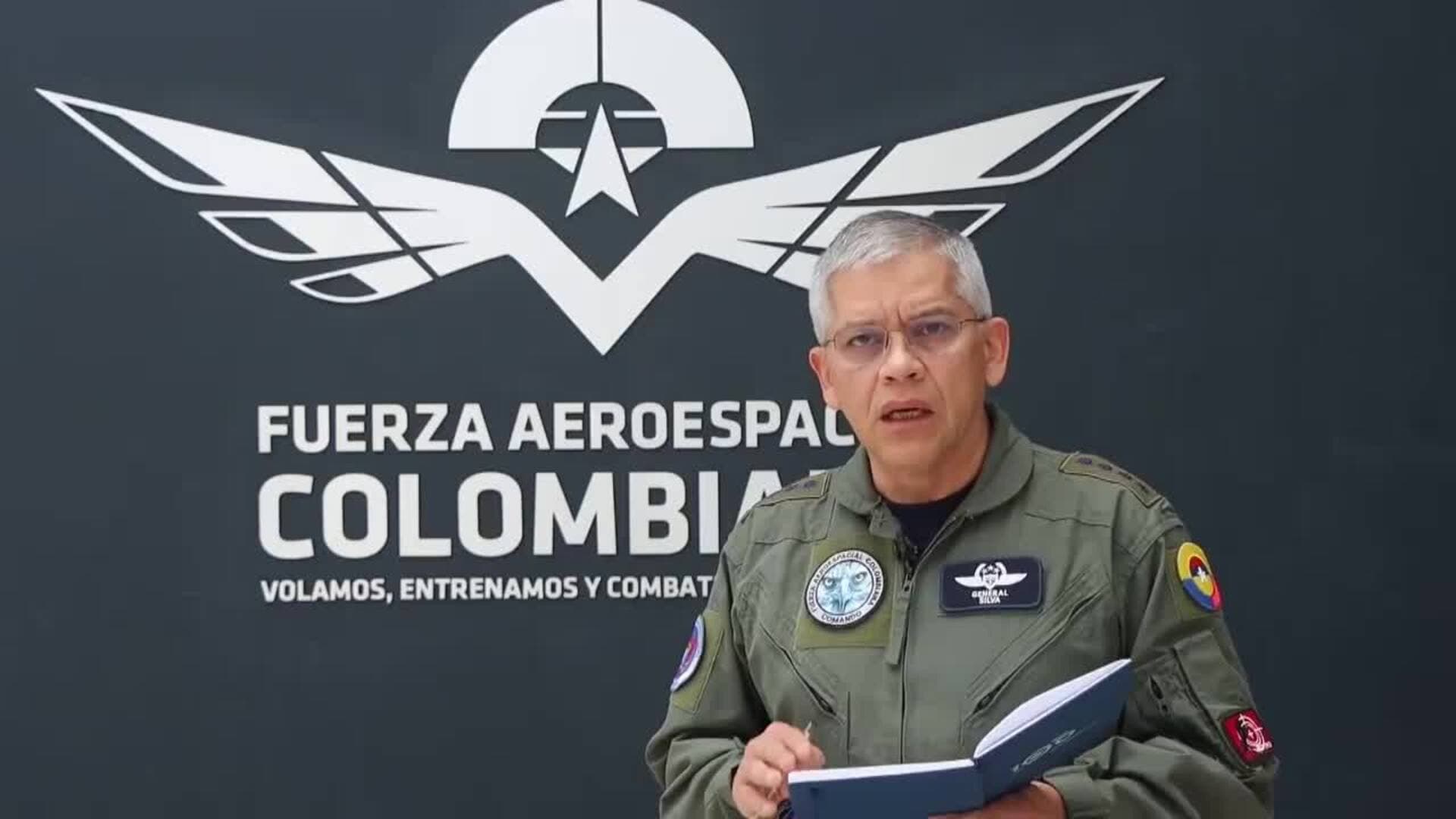
According to General Hugo Alejandro López Barreto, head of Colombia's armed forces, the aircraft was carrying 128 people—115 army personnel, 11 crew members, and 2 police officers—when it went down approximately 1.5-2 kilometers from the airport.

The crash marked one of the deadliest aviation accidents in recent Colombian military history, with the death toll including 58 soldiers, 6 air force personnel, and 2 police officers, while four military personnel remained unaccounted for as rescue operations continued.
Aircraft Details
The ill-fated aircraft, identified as FAC 1016, was a C-130H model manufactured in 1984 and donated to Colombia by the United States in 2020 under a bilateral agreement to combat drug trafficking.
The aircraft had undergone significant maintenance and overhaul in 2023, including inspection of its Allison T56-A-15 engines and replacement of key components.
The Colombian Air Force confirmed the aircraft was on a routine transport mission from Puerto Leguízamo to Puerto Asís, carrying troops for military operations in the region.
The mission occurred amid heightened military activity in the border area, where Colombian and Ecuadoran forces have been targeting drug-trafficking cartels and militias in recent weeks.
The aircraft's age and maintenance history became focal points for investigators examining possible contributing factors to the crash.
Rescue Operations
Emergency response efforts were complicated by the remote jungle location and difficult terrain, which impeded access to the crash site.
Despite these challenges, local residents of Puerto Leguízamo were the first to respond to the disaster, forming human chains and using motorcycles to transport injured survivors to medical facilities.
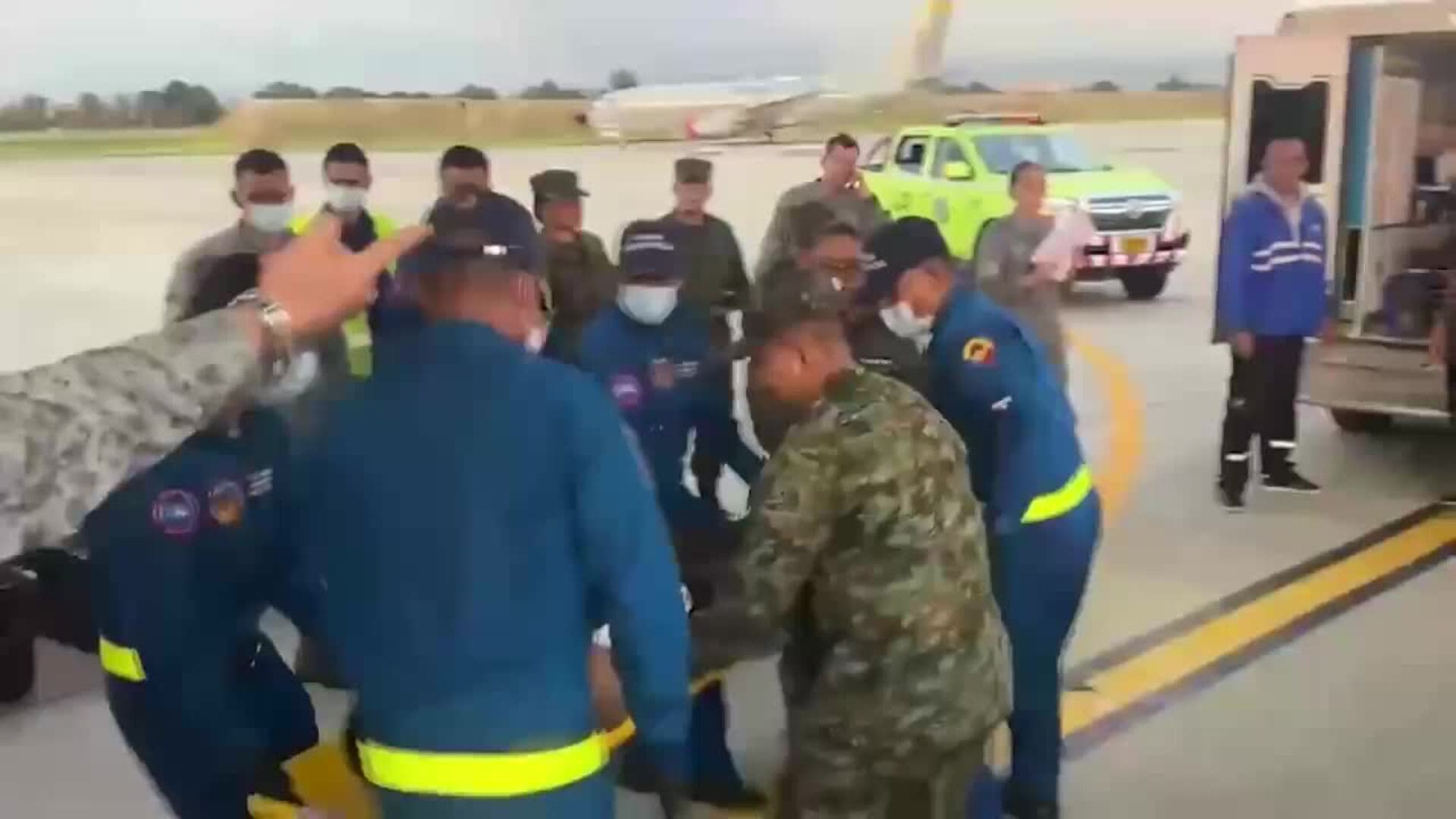
Videos circulated by local media showed civilians helping evacuate wounded soldiers while others attempted to extinguish the flames engulfing the wreckage.
The Colombian Air Force deployed seven aircraft to airlift critically injured personnel to hospitals in Bogotá and other cities, with two medical planes configured with 74 beds assisting in the mass evacuation.
Regional governor Jhon Gabriel Molina acknowledged 'great difficulties in evacuating the victims' from the small airport, which had limited medical capacity to handle the scale of the emergency.
Investigation Details
Colombian authorities immediately launched a comprehensive investigation into the crash, with the Colombian Civil Aviation Authority making its Accident Investigation Technical Directorate available to collaborate.
Defense Minister Pedro Sánchez confirmed that initial findings showed no evidence of an attack by illegal armed groups, ruling out hostile action as a cause.
The investigation will focus on technical factors including aircraft maintenance records, crew qualifications, and meteorological conditions.
Experts noted that the high temperature and humidity in the Amazon region could have affected aircraft performance during takeoff, potentially contributing to the accident.
Colombian aviation expert Erich Saumeth suggested that while the aircraft had recently undergone maintenance, investigators would need to determine why the engines failed so quickly after takeoff, emphasizing that 'I don't think this plane crashed because of a lack of good parts.'
Political Reactions
The crash sparked political controversy as Colombian President Gustavo Petro used the tragedy to highlight what he described as long-standing delays in military modernization.
“GENERAL RESOURCES OF AID OPERATIONS”
In a series of posts on social media, Petro expressed condolences while criticizing bureaucratic obstacles that have hindered his efforts to upgrade the armed forces' aging fleet.
'I will grant no further delays; it is the lives of our young people that are at stake,' Petro wrote, warning that 'if civilian or military administrative officials are not up to this challenge, they must be removed.'
Critics of the president pointed out that military aircraft have had fewer flight hours during his administration due to budget cuts, potentially leading to less experienced crews.
The crash also raised broader concerns about aviation safety in South America, coming less than a month after a similar Bolivian Air Force C-130 crashed in El Alto, killing at least 24 people and injuring 30 others when banknotes being transported scattered across the city.
More on South America

President Nicolás Maduro arrives in New York to face U.S. charges after operation.
12 sources compared
US Captures Nicolás Maduro, Flies Venezuelan President to New York
21 sources compared
Nuevitas thermoelectric plant triggers Cuba's second nationwide blackout in less than a week
30 sources compared
.jpg&w=3840&q=75)
United States Oil Blockade Triggers Cuba's Second Nationwide Blackout
125 sources compared