Colombia's Air Force C-130 Crashes After Takeoff; Casualty Figures Vary.
Key Takeaways
- About 125 people aboard, mostly soldiers.
- Death toll reaches 66; dozens injured.
- Crash occurred shortly after takeoff from Puerto Leguízamo, Putumayo.
Crash Incident Details
A Colombian Air Force Lockheed Martin C-130 Hercules transport aircraft crashed shortly after takeoff on March 23, 2026, from Puerto Leguízamo airport in southern Colombia's Putumayo department, near the border with Peru and Ecuador.
“"The report we currently have is that 34 people have died and 70 were injured, of whom 48 were transferred to Bogotá's Military Hospital," said the Putumayo governor, Jhon Gabriel Molina, to Noticias Caracol”
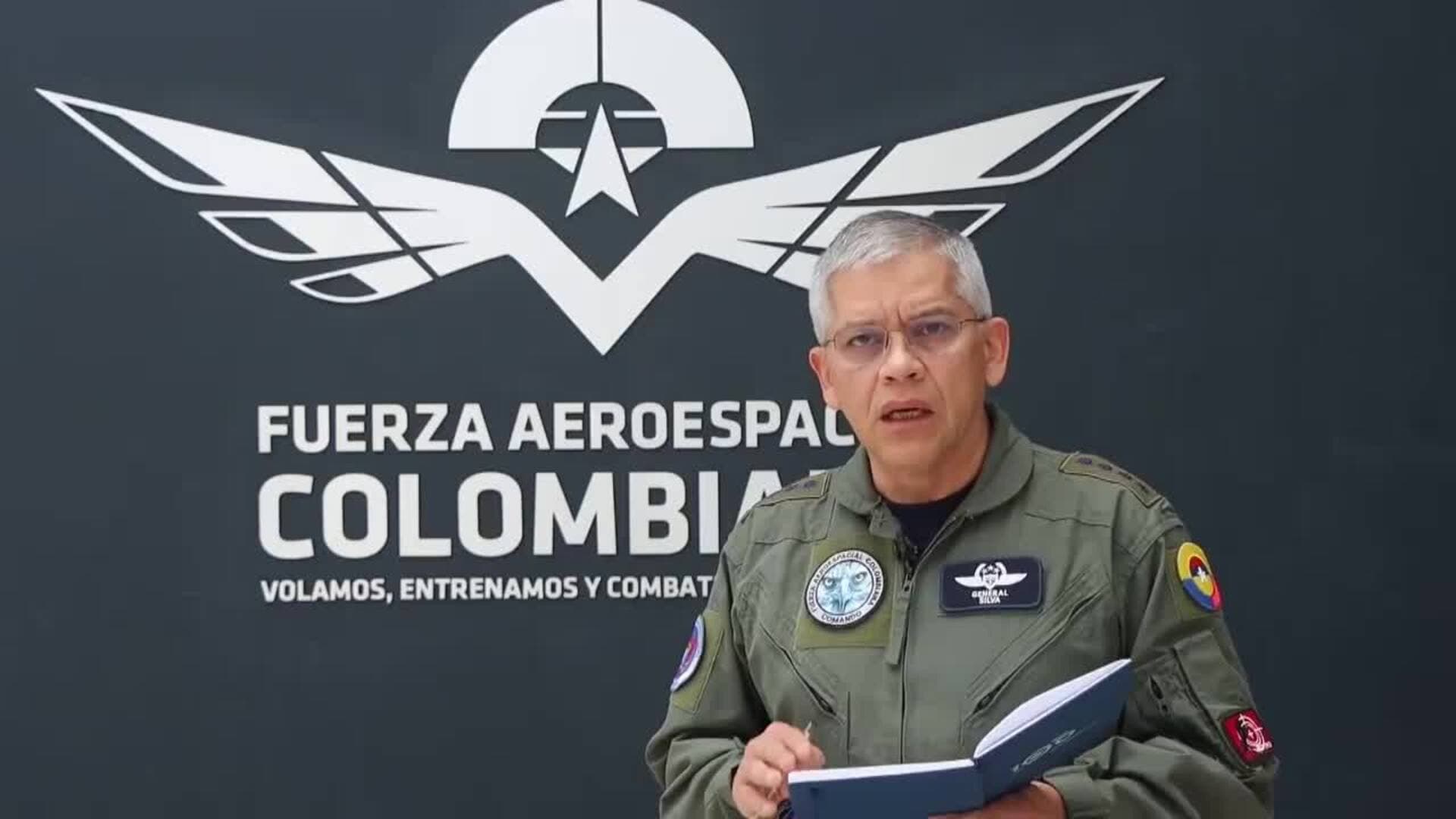
The aircraft was conducting a routine troop transport mission when it experienced problems during initial climb, according to Colombian Air Force Commander Carlos Fernando Silva Rueda.
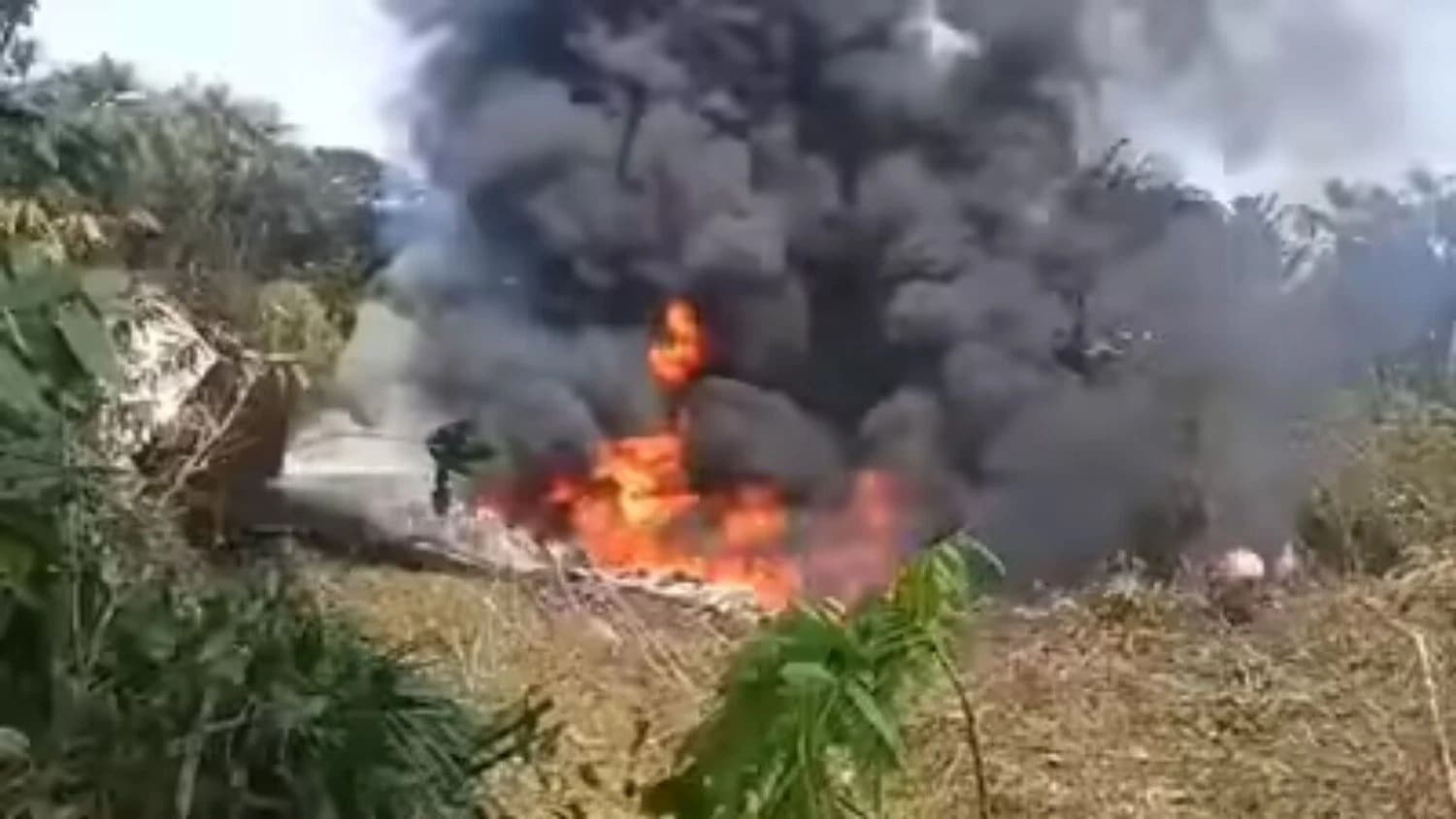
The crash occurred approximately 1.5 to 2 kilometers from the airport in a dense jungle area, causing extensive fire damage and triggering secondary explosions from ammunition carried on board, as confirmed by Defense Minister Pedro Sánchez.
Emergency responders, including military units and local residents, rushed to the scene where thick black smoke and flames billowed from the wreckage amid challenging jungle terrain conditions.
Varying Casualty Reports
Casualty figures reported across multiple sources varied significantly throughout the evolving emergency response.
Initial reports from the mayor of Puerto Leguízamo, Luis Emilio Bustos, and Putumayo Governor Jhon Gabriel Molina indicated at least 34 deaths, with Molina specifically noting 70 people injured and 21 still missing.
However, by evening, the death toll nearly doubled to 66 according to military sources cited by multiple outlets, with authorities confirming 58 soldiers, six air force personnel, and two police officers among the fatalities.
The Colombian Aerospace Force later updated figures to show 128 people on board rather than the initially reported 125, with 57 injured, 4 missing, and 1 person unharmed.
This discrepancy in casualty reporting reflected the chaotic nature of the rescue operation in the remote Amazon region where access was severely limited.
Rescue Operations
Rescue operations faced significant challenges due to the remote location and difficult jungle terrain, yet heroic civilian assistance helped save lives.
“GENERAL RESOURCES OF AID OPERATIONS”
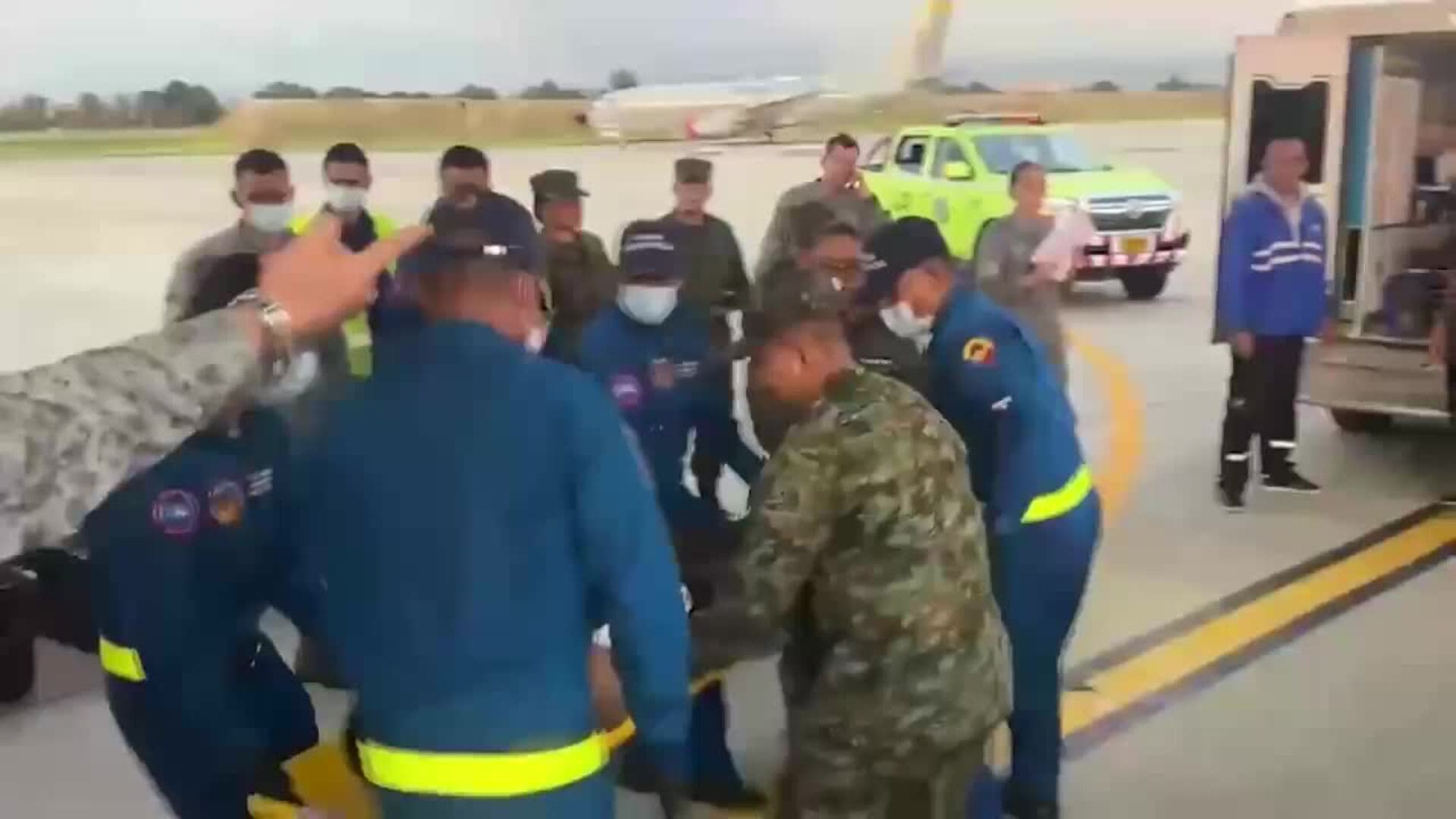
Local residents were the first responders, using motorcycles to transport injured soldiers to the small María Angelines Hospital in Puerto Leguízamo before military medical teams arrived.
Colombian authorities deployed substantial emergency resources, including multiple aircraft equipped with medical evacuation capabilities—two planes with 74 beds total, a C-130 Hercules configured for 50 stretchers, and a UH-60 medicalized helicopter—to transport the most critically injured to larger hospitals in Bogotá, Florencia, and Neiva.
Deputy Mayor Carlos Claros expressed gratitude for the civilian assistance, noting that despite the small airport's limitations and the region's difficult accessibility, the combined efforts of local residents, Navy personnel, and Civil Defense volunteers significantly improved casualty evacuation outcomes.
Political Reactions
The crash triggered immediate political reactions, particularly from Colombian President Gustavo Petro, who used the tragedy to highlight longstanding issues with military equipment modernization.
Petro described the incident as a 'horrific accident that should never have happened' and blamed 'bureaucratic difficulties' for delaying his plans to renew the armed forces' aging fleet.
He warned that 'the lives of our young people are at stake' and threatened to remove civilian or military administrative officials 'not up to this challenge.'
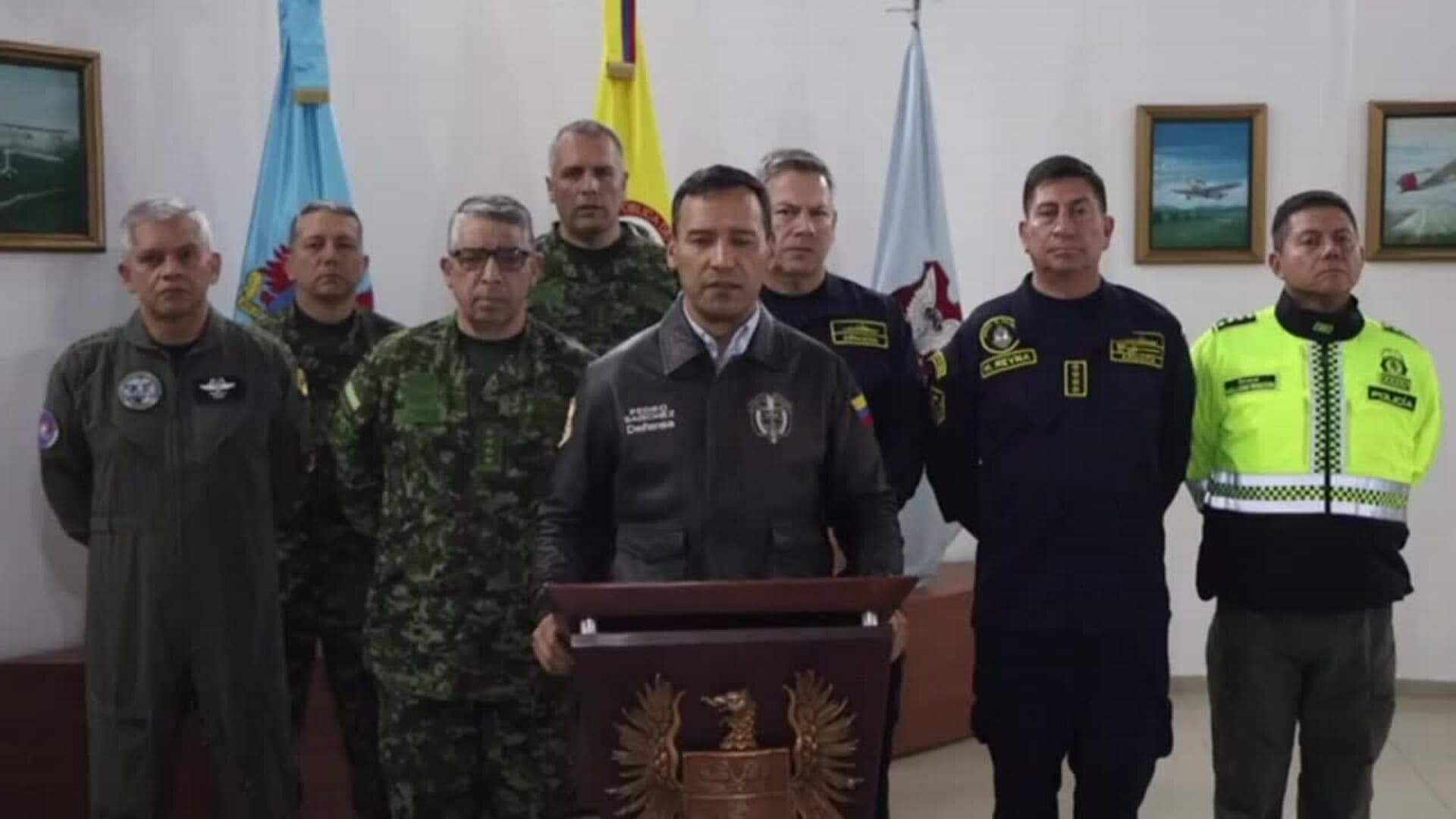
Defense Minister Pedro Sánchez confirmed that initial investigations found no indication of an attack by illegal armed groups, stating the aircraft had been 'airworthy' with a 'qualified crew.'
Aviation expert Erich Saumeth suggested the crash might not be due to lack of parts but rather required investigation into why the Hercules engines failed so quickly after takeoff, while noting the aircraft had been donated by the United States in 2020 and received major maintenance in 2023.
Broader Implications
The incident has broader implications for military aviation safety in South America, coming just weeks after a similar crash involving a Bolivian Air Force C-130 Hercules on February 27, 2026, in El Alto.
“In parallel, the National Navy and the Armed Forces said they are monitoring the situation and coordinating with the region's emergency responders to support on-the-ground operations and advance the investigative process”
That crash killed more than 20 people and injured 30 others when the aircraft carrying banknotes crashed near a residential area.

Colombian authorities have emphasized that the Hercules C-130s, first introduced in the 1950s and acquired by Colombia in the late 1960s, remain critical for military operations in remote regions like Putumayo where road infrastructure is nonexistent.
The Colombian Aerospace Force's Inspector General is leading the technical investigation, which will focus on potential mechanical failures, operational factors, or environmental conditions such as the high humidity and temperature that could affect aircraft performance during takeoff from jungle airstrips.
The crash has reignited debate about the age and maintenance of military transport aircraft across the region.
More on South America

President Nicolás Maduro arrives in New York to face U.S. charges after operation.
12 sources compared
US Captures Nicolás Maduro, Flies Venezuelan President to New York
21 sources compared
Nuevitas thermoelectric plant triggers Cuba's second nationwide blackout in less than a week
30 sources compared
.jpg&w=3840&q=75)
United States Oil Blockade Triggers Cuba's Second Nationwide Blackout
125 sources compared