South America18 March, 20263 min read
Colombia’s Petro Accuses Ecuador of Bombing Near Border
Petro accuses Ecuador of bombing Colombian territory near the border. 27 charred bodies found near the border.
Border Bombing Accusation
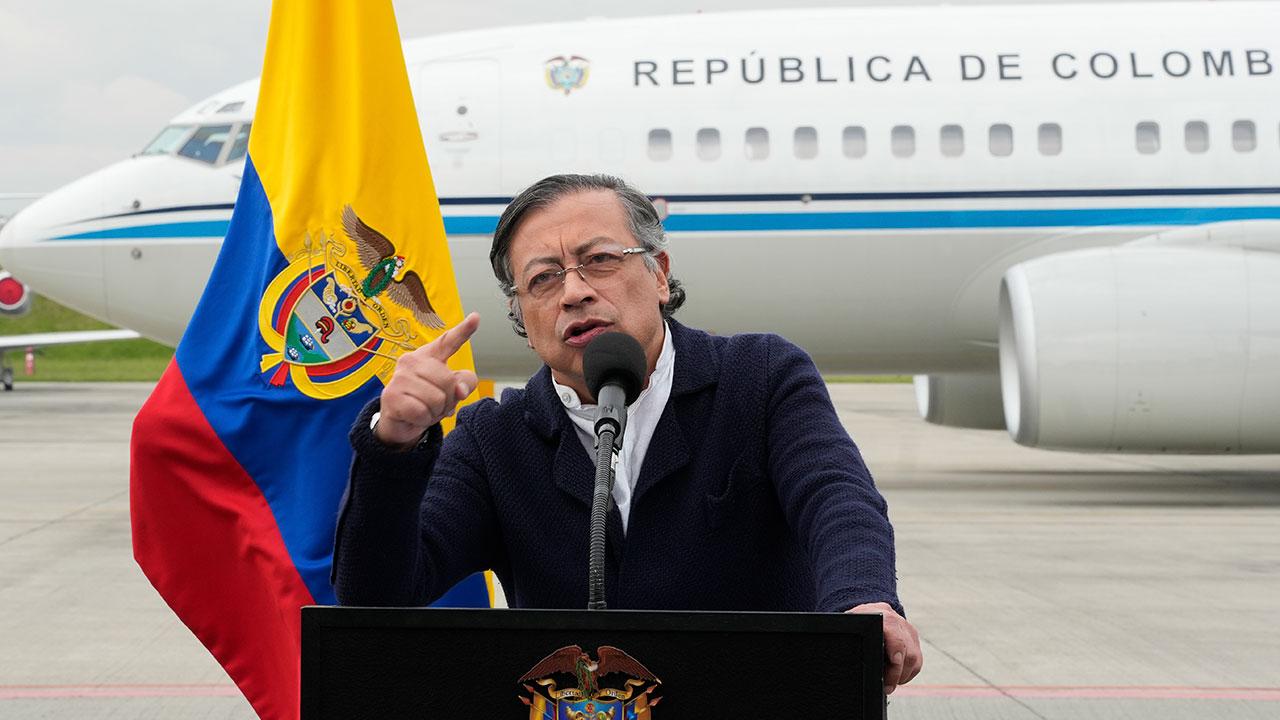
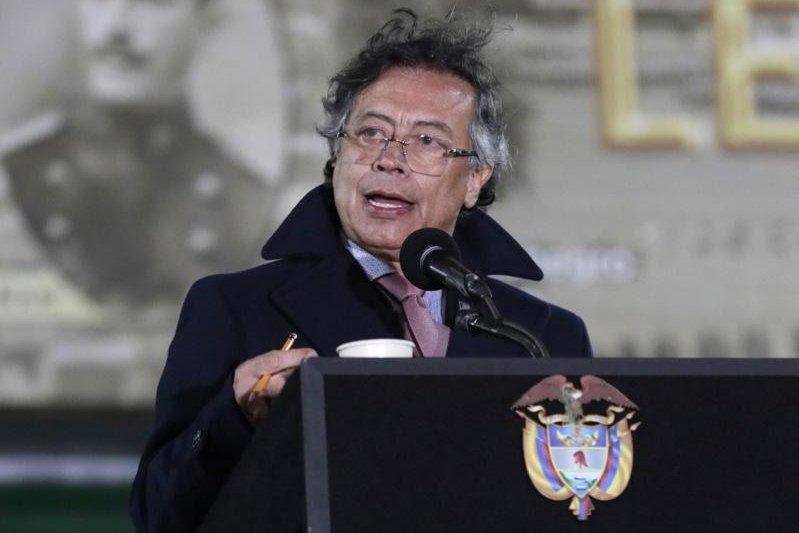
Colombian President Gustavo Petro has accused Ecuador of conducting bombing raids inside Colombian territory, dramatically escalating tensions between the neighboring South American countries. Petro made the explosive claims during a televised cabinet meeting on Monday, stating that authorities discovered '27 charred bodies' near the Colombia-Ecuador border. Petro claimed a bomb had been dropped from an aircraft in Colombian territory, saying 'A bomb has appeared, dropped from a plane... very close to the border with Ecuador.'
“Colombian President Gustavo Petro has said that 27 charred bodies were discovered on his country's joint border with Ecuador, just one day after suggesting the Ecuadorean military may have bombed Colombian territory.”
The Colombian president asserted that the attacks could not have been carried out by illegal armed groups, which he argued lack aerial capabilities. Petro revealed that multiple explosions had been reported in recent days and that his government possessed an audio recording allegedly originating from Ecuador. Petro presented no concrete evidence to support his claims during the cabinet meeting.

Ecuador's Rejection
Ecuadorian President Daniel Noboa swiftly rejected Petro's accusations, insisting that his country's military operations were conducted exclusively within Ecuador's territory. 'President Petro, your statements are false; we are acting in our territory, not yours,' Noboa wrote on the social media platform X, adding defiantly, 'We will not take a step back.' The Ecuadorian president framed his country's military actions as necessary operations against 'narco-terrorist structures' and criminal organizations.
Noboa claimed many of these groups have Colombian origins and have established bases near the border. 'Together with international cooperation, we continue this fight, bombing locations used as hideouts by these groups,' Noboa stated. Noboa accused Colombia of failing to control its side of the border and allowing criminal organizations to infiltrate Ecuador.

Trade Dispute Context
The current crisis cannot be understood without the context of escalating tensions between Colombia and Ecuador, which have been building for months over trade disputes and security concerns. The confrontation stems from Ecuador's imposition of a 30% 'security tariff' on Colombian imports in January, later increased to 50%. Noboa justified the tariffs by accusing Colombia of failing to adequately combat drug trafficking along their shared border.
“At the beginning of the year, Ecuador imposed a 30% tariff on Colombian products citing security reasons, a measure that was met by Colombia with similar tariffs and with the suspension of electricity supply to its neighbor.”
Colombia retaliated with tariffs on 73 Ecuadorian products, suspended electricity exports to Ecuador, and imposed restrictions on bilateral trade. Noboa wrote: 'From day one we have fought narco-terrorism in all its forms, those who operate on the streets and those who, from politics or even within the judiciary, lend themselves to protecting criminals.' The border region has long been plagued by armed groups and drug trafficking networks that exploit the jungle geography and limited state presence.
US Involvement
The situation has been further complicated by deepening US involvement in the region, with Ecuador positioning itself as a key security ally of the Trump administration. Ecuadorian forces launched a major US-backed security offensive last Sunday, deploying thousands of military and police officers throughout crime-affected provinces. Ecuador implemented nighttime curfews as part of the security operations.
Last week, Ecuador became a founding member of Trump's 'Shield of the Americas,' a 17-nation military alliance designed to combat drug traffickers. Notably, Colombia was excluded from this alliance, which has deepened the rift between Petro and the regional conservative movement led by Noboa. The cooperation was further strengthened by the opening of Ecuador's first FBI office in Quito.

Risk of Escalation
Petro's latest claims mark the most serious rupture yet in the bilateral relationship, raising the specter of potential cross-border military incidents. The Colombian president acknowledged the gravity of the situation, stating that he had appealed directly to US President Donald Trump to intervene diplomatically. 'I asked him to act and call the president of Ecuador because we do not want to go to war,' Petro said, revealing that he had made the request to Trump without specifying when.
“Petro's latest claims mark the most serious rupture yet, raising the specter of a cross-border military incident between the two countries, which share a long and porous frontier plagued by drug trafficking and illegal mining.”
The Colombian Minister of Defense, Pedro Sánchez, announced that Colombian forces have been deployed to the border to investigate the matter. Colombian forces plan to carry out a controlled destruction of an alleged Ecuadoran bomb. With both sides digging in their heels and trading increasingly heated accusations, the situation remains highly volatile.