Other · 12 May, 2026 · 3 min read
Conflicts and Violence Drove 32.3 Million New Internal Displacements in 2025, IDMC and NRC Say
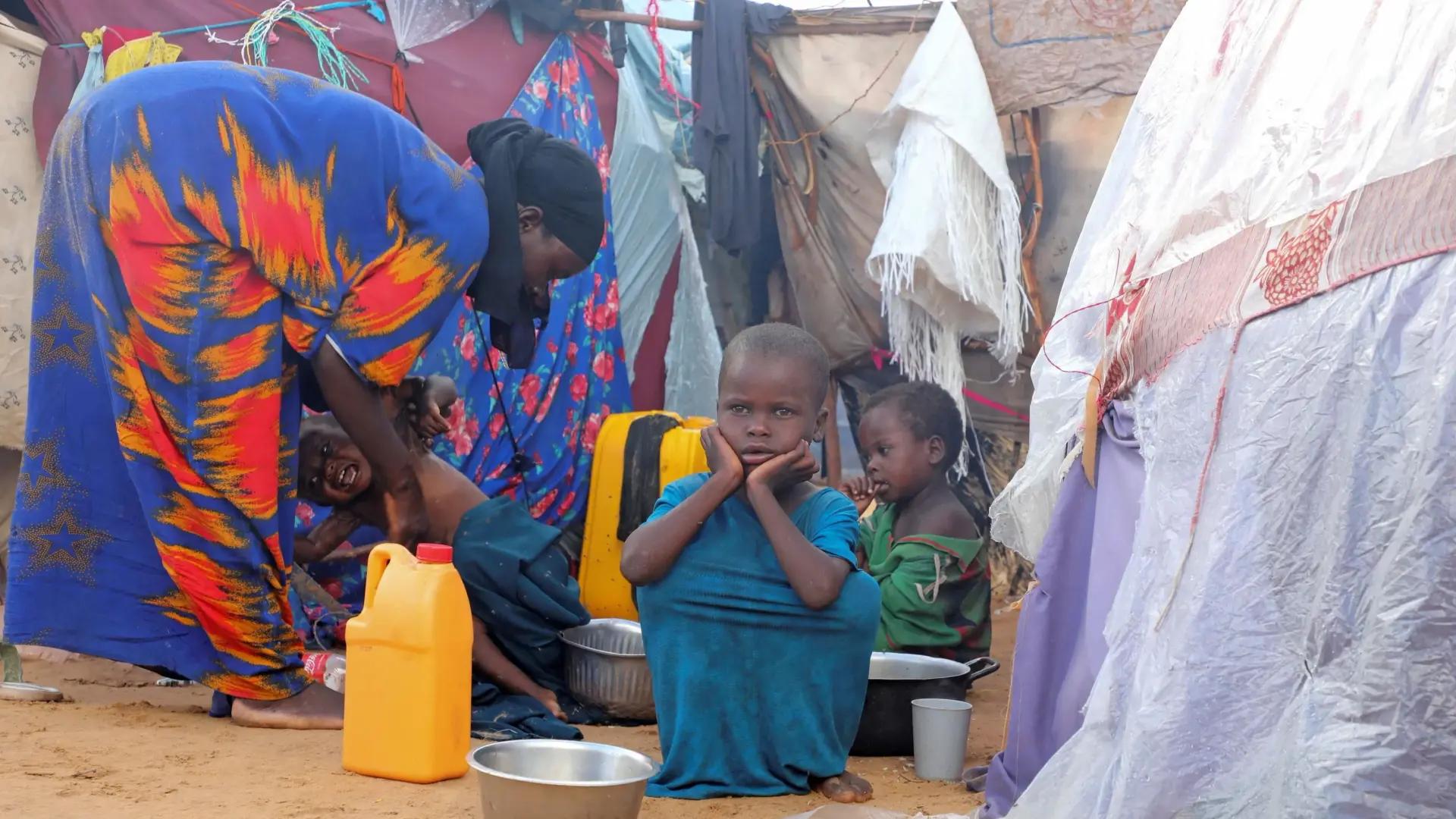
Conflict and violence became the leading cause of internal displacement in 2025. About 32.3 million new internal displacements occurred in 2025.
How the IDP total decline is interpreted (progress vs data/returns).
7 of 9 outlets skipped it: data availability declined in 15% of monitored countries..
11outlets compared
Same story, two versions
tap a side to read it in full
Frames the slight drop as caution rather than improvement.
Conflict overtakes disasters
A joint report from the Internal Displacement Monitoring Centre and the Norwegian Refugee Council says conflicts and violence became the leading cause of new internal displacement worldwide in 2025, surpassing natural disasters for the first time. The report says 32.3 million conflict-driven internal displacements were recorded across 48 countries and territories in 2025, a 60% increase compared with 2024, while disaster displacements declined to 29.9 million. By the end of 2025, the report puts the total number of people living in internal displacement at 82.2 million across 104 countries and territories, slightly below the 83.5 million recorded a year earlier.
Tracy Lucas, IDMC’s director, said, “Never have we recorded such a staggering number of displacements related to conflict,” and the report describes the trend as a sign that conflict displacements are intensifying. The report also says the conflict-related displacement was highly concentrated, with Iran and the Democratic Republic of the Congo each accounting for around a third of the global total.

Voices warn of protection collapse
Jan Egeland, Secretary General of the Norwegian Refugee Council, said the growing displacement crisis reflected a broader international failure to protect civilians, describing the trends as “an alarm signal” in comments to AFP. The Guardian reports that Jan Egeland described the figures as a “sign of a global collapse” in basic protection of civilians, adding that “Countless families are returning to destroyed homes and disappearing services – or cannot return at all.” TThe report’s framing emphasizes that internal displacements include each new instance that a person is forced to flee within their country, and that the same person can be displaced several times.
Tracy Lucas also warned that when “people are continually displaced,” “they’re not just displaced once, they could be displaced two or three times,” while “the systems meant to protect them are being dismantled.” The Guardian says the record number of conflict-driven displacements is linked to new international conflicts and intensified existing conflicts that made it impossible for people to return home.T
Where displacement is concentrated
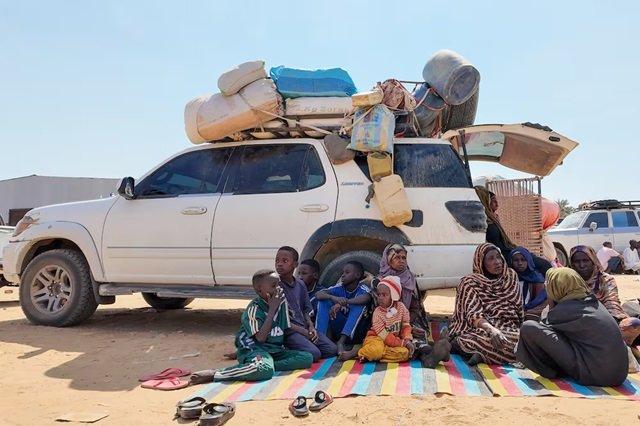
The report says nearly two-thirds of new conflict displacement cases occurred in Iran and the Democratic Republic of the Congo, with Iran recording 10 million internal displacements and the DRC logging 9.7 million, its highest figure on record. It adds that nearly 31.4 million of the conflict-hit people lived in just five countries—Sudan (9.1 million), Colombia (7.2 million), Syria (6 million), Yemen (4.8 million), and Afghanistan (4.4 million)—and that Sudan recorded the largest number for the third consecutive year. The report also says disaster displacements fell 35% compared with exceptionally high levels in 2024, but still left 29.9 million displacement events tied to storms, floods, and other disasters.
The Norwegian Refugee Council report says wildfires accounted for more than 694,000 displacements in 2025, and it warns that data availability declined in 15% of monitored countries, limiting visibility on displacement dynamics. With the total number of internally displaced people at 82.2 million by the end of 2025, the report frames the stakes as a continuing, near-record humanitarian crisis driven by conflict and violence rather than a shift back toward disaster-led displacement.