
Timmy the Humpback Whale Is Transported From Germany’s Baltic To The North Sea
Key Takeaways
- Timmy the humpback whale was released into the North Sea after weeks near Germany.
- Rescuers transported the whale on a water-filled barge from the Baltic toward the North Sea.
- The whale swam out under its own power and was released off Denmark.
Timmy verso il Mare del Nord
La balena Timmy, un giovane maschio di megattera, è stata finalmente trasportata su una chiatta diretta verso il Mare del Nord dopo settimane di arenamento nelle acque basse del Baltico.
“A humpback whale calf that earned huge media attention and the nickname Timmy after being repeatedly stranded in shallow waters near Germany has been released into the North Sea by rescue team”
Secondo Tgcom24, l’animale era in una baia poco profonda al largo dell’isola di Poel, nei pressi di Wismar, nel Land del Meclemburgo-Pomerania Anteriore, in Germania, e “giaceva da circa quattro settimane” prima dell’arrivo sulla chiatta.

Fanpage racconta che “Martedì sera è infatti partita la chiatta” che trasporterà la megattera dal mar Baltico verso il mare del Nord, “a circa 400 chilometri di distanza”.
Al Jazeera riferisce che la squadra di soccorso ha rilasciato Timmy nel Mare del Nord dopo che la sua salute era peggiorata, con il trasporto “in a water-filled barge” e il rilascio “off Denmark on Saturday”.
CNN aggiunge che la liberazione è avvenuta “around 9 a.m. local time” e che l’agenzia dpa ha riportato il rilascio “70 kilometers (about 45 miles) from the coast of Skagen, Denmark”.
In parallelo, la copertura internazionale descrive una vicenda seguita in tempo reale, con Fanpage che parla di una storia che “tiene con il fiato sospeso biologi, soccorritori e migliaia di persone in tutto il mondo”, e con CNN che ricorda che gli sforzi di salvataggio erano stati “livestreamed across the globe”.
Deterioramento e piano privato
La decisione di passare a un trasporto in acque più profonde è maturata dopo ripetuti tentativi falliti e un peggioramento delle condizioni dell’animale.
Fanpage descrive che Timmy “è un giovane maschio lunga circa 12 metri e dal peso di diverse tonnellate” e spiega che la megattera è una specie “tipicamente oceanica” che vive e migra tra mari aperti e profondi, mentre il mar Baltico è “un ambiente molto diverso: è un mare chiuso, poco profondo e con acque meno salate rispetto all'oceano”.

Al Jazeera collega il deterioramento a una condizione della pelle legata alla bassa salinità del Baltico, dicendo che Timmy “developed a skin condition as a result of the Baltic Sea’s low salt content, and would barely move for days at a time, his breathing irregular”.
CNN aggiunge che la salute di Timmy “deteriorated as it became repeatedly stranded in shallow waters near the coastal city of Wismar” e che i tentativi di spingerla verso acque più profonde “were livestreamed across the globe”.
In questo contesto, la copertura riporta che l’operazione è stata approvata nonostante “some warnings from the scientific community that it may be too much for the animal”, con CNN che attribuisce il via libera all’“environment minister for Germany’s Mecklenburg-Western Pomerania state”.
Al Jazeera specifica che una “private initiative” è stata approvata dal Land “Mecklenburg-Western Pomerania state”, ma che la scelta aveva acceso un dibattito su “whether it would be best to let him die in peace or push him to return home”.
Voci: soccorritori e scienziati
Nel racconto della liberazione e del trasporto emergono voci diverse, tra chi sostiene l’intervento e chi lo giudica rischioso.
“The whale nicknamed Timmy, whose fate has captivated Germany since late March, was released into the waters of the North Sea Saturday morning”
The Guardian riporta che Karin Walter-Mommert, indicata come parte dell’iniziativa di soccorso, ha detto che il “10-metre long calf” ha nuotato fuori dalla chiatta e che in seguito è stato osservato “blowing through its blowhole and swimming freely “in the right direction””.
La stessa testata riporta anche la posizione contraria di Burkard Baschek, direttore dell’Oceanographic Museum in Stralsund, che ha definito il tentativo di salvataggio “pure animal cruelty”.
DW inserisce un avvertimento tecnico attribuito a Fabian Ritter, che ha spiegato: “Look, a whale that is immobile for several weeks, lying on the ground, he will suffer from muscle stiffness (…) he will not be in the immediate position to swim, just actively, out of the barge and be free and happy,” e ha aggiunto che “If you don't do that, they sink to the ground and suffocate. So that's a real danger,”.
Euronews riporta invece la posizione di Thilo Maack, Greenpeace marine biologist, che ha detto: “I think the whale will die very soon. And I would also raise the question: What’s so negative about this?” e ha aggiunto: “Yes, animals live, animals die. This animal is truly, truly, very, very sick. And it has decided to rest.”
Sul versante dei sostenitori, Il Messaggero riporta che Till Backhaus, Minister of the Environment di Mecklenburg-Western Pomerania, ha confermato con sollievo che l’animale è “well” e che “even emitted sounds during the nighttime voyage”.
Distanze, rotte e orari
Le cronache descrivono con precisione la fase di trasporto e i dettagli della rotta verso il Mare del Nord.
Fanpage indica che la chiatta è partita “Martedì sera” e che il viaggio è verso il mare del Nord “a circa 400 chilometri di distanza”, mentre Euronews specifica che l’operazione è “expected to last several days and cover about 400 kilometers” e che il convoglio “bypassing the island of Fehmarn” punta verso lo “Skagerrak strait”.
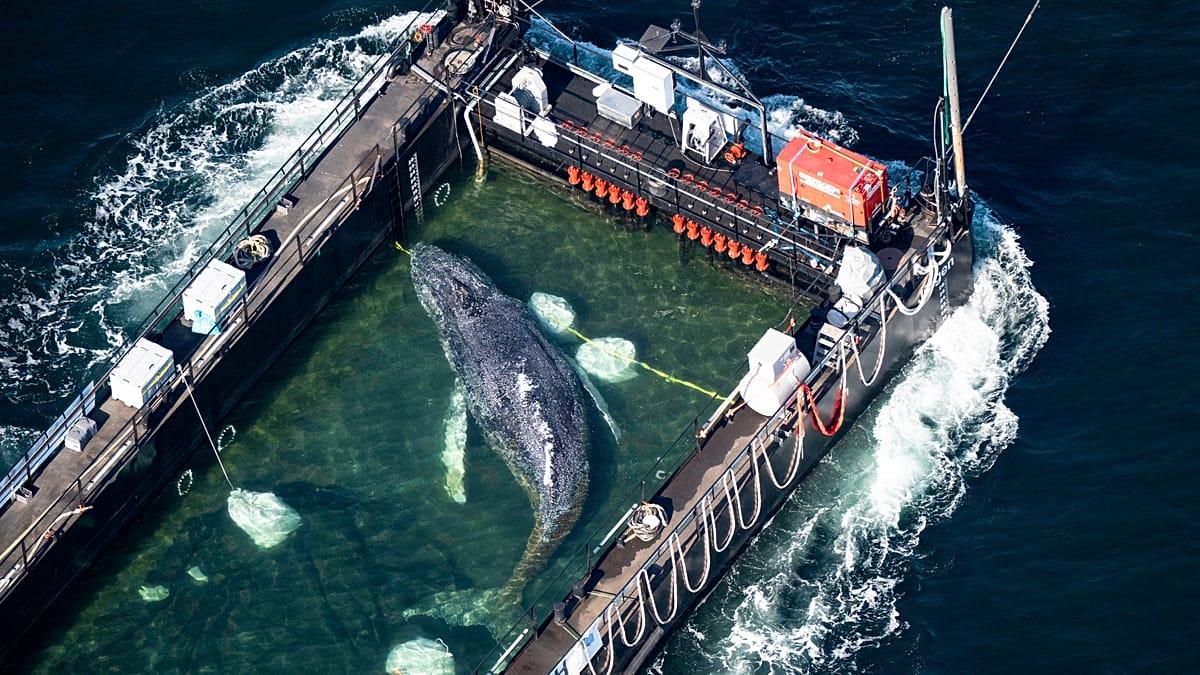
Euronews aggiunge anche nomi di mezzi e tappe: “On Tuesday evening a tugboat named Robin Hood began towing the barge” e “On Wednesday morning Fortuna B took over, skirting the island of Fehmarn in northern Germany, near Danish waters.”
Il Messaggero colloca un passaggio in acque danesi: “Around 2:00 PM this afternoon, the Fortuna B, which is towing the special barge on which the whale travels, officially entered Danish waters, positioning itself between the islands of Langeland and Lolland.”
Sky TG24 riprende la stessa finestra temporale, dicendo che la Fortuna B era “located between the islands of Langeland and Lolland in southeastern Denmark around 2:00 PM” e che “should reach the North Sea in two days”.
The Guardian, invece, riporta l’uscita dalla chiatta con un orario locale: “The whale left the barge in the North Sea at about 8.45am local time”.
Conseguenze e prossimi passi
Anche dopo il rilascio, le fonti sottolineano che la vicenda non si chiude con la sola liberazione, perché restano in gioco la salute dell’animale e la possibilità di nuovi arenamenti.
“Continue without accepting Use of Cookies This site uses cookies or other technical trackers and, with your consent, also uses profiling cookies or other tracking tools, shared with our 1000 partners, to send you personalized advertising and offer you services in line with your preferences, as well as to monitor visitors’ behavior”
DW afferma che, nonostante l’arrivo in acque più salate e fredde, “the whale's life remains in danger, as his health deteriorated while he was stranded” e riporta che il rilascio avviene dopo che “previous efforts to help him swim away ended with the animal restranded and in increasing distress.”
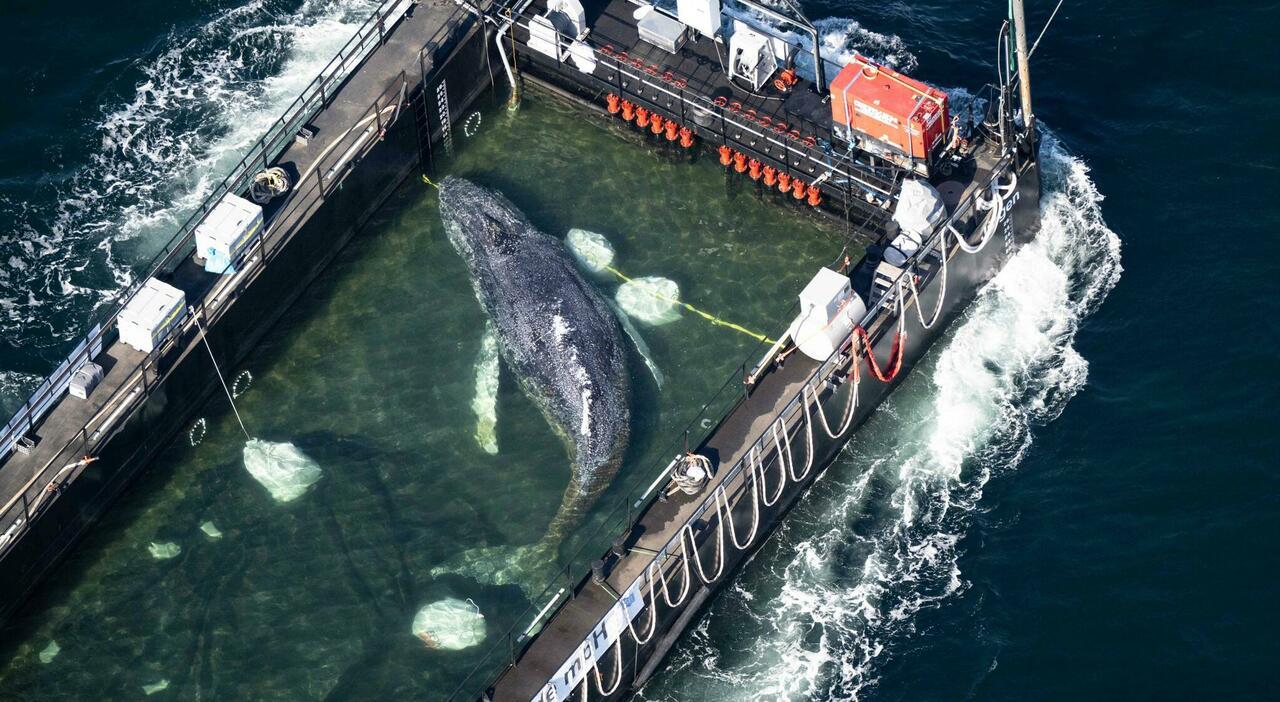
The Guardian descrive che la balena è stata dotata di un “tracker to follow its movements” e che Till Backhaus ha detto di essere “hopeful of a “happy end””.
Al Jazeera aggiunge che “It is not clear why the whale swam into the Baltic Sea” e che “A GPS transmitter was reportedly attached to the whale before his release, suggesting there could be more updates to come”.
Euronews, pur parlando di “A happy ending?”, riporta che la scelta non convince tutti e che “Part of the scientific and environmental community has expressed doubts about the operation, arguing that the stress of transport could prove fatal.”
The Guardian riporta anche un elemento istituzionale per il futuro: “The Danish environment ministry has told the German TV broadcaster Deutsche Welle it was not planning to rescue the whale if it became stranded again”.
More on Other
Pope Leo XIV Prays With Archbishop of Canterbury Sarah Mullally in Historic Vatican Meeting
12 sources compared

Bennett And Lapid Merge Parties To Topple Prime Minister Benjamin Netanyahu
77 sources compared

Pentagon Seeks $1.5 Trillion for Golden Dome, Drones, and Counter-Drone Systems in Fiscal 2027
11 sources compared

Israel Intensifies Ceasefire Violations, Establishing ‘Yellow Line’ in Southern Lebanon
37 sources compared