Crypto Traders Bet Against US–Iran Ceasefire This Month After U.S.–Israel Strikes
Key Takeaways
- Polymarket traders assign a 27% probability to a US–Iran ceasefire by March 31.
- Ceasefire odds fell from above 60% after U.S.–Israel strikes and Trump's 4–5 week warning.
- Iran denies reports of peace outreach to the United States.
Polymarket nuclear contract controversy
Reports said prediction-market platform Polymarket was forced to withdraw contracts tied to a hypothetical nuclear detonation, sparking a wave of controversy in crypto markets.
“Crypto Traders Bet Against U”
Several Democrats sharply criticized the contracts as inappropriate and vulnerable to insider trading, warning that insiders could profit from sensitive information and creating political and regulatory pressure that unsettled some traders and platforms.
Denials and economic impact
Coingape reported claims that Iranian operatives had indirectly contacted the CIA about ending the war.
Tehran flatly denied those claims, and a semi-official Iranian outlet called them "pure falsehood and psychological warfare."
The same coverage highlighted the wider economic stakes, noting the Pentagon estimates the conflict is costing the U.S. about $1 billion per day and that investors and policymakers are watching closely.
Crypto market caution
Market participants are showing caution: JPMorgan warned that Bitcoin—despite recent gains toward $74,000—remains vulnerable to declines, and drew a parallel to the early Ukraine war when markets initially held up before selling off as the conflict persisted.
“Crypto Traders Bet Against U”
Coingape records crypto strategists’ and analysts’ views that the next two weeks are critical for the sector, reflecting short-term bet-making around geopolitical developments and potential ceasefires.
Crypto market roundup
Coingape's crypto-news roundup links current market anxieties to a series of headline events.
Trump said the U.S.-Iran war could end soon and floated control of the Strait of Hormuz.
Bhutan sold more Bitcoin.
Bitget upgraded its Agent Hub for real-time crypto trading.
Tom Lee’s BitMine bought a large amount of ETH.
Commentators published various price and speculation pieces about Pi Network, MSTR stock, and Bitcoin/XRP amid falling U.S. oil prices.
These mixed signals — political rhetoric, nation-level Bitcoin moves, platform upgrades, and large institutional buys — contribute to traders' divergent positions on whether a ceasefire will hold.
Drivers of market risk
Given the limited source material provided, the balance of evidence in these excerpts points to heightened market risk.
“Crypto Traders Bet Against U”
Political controversies around prediction markets are cited as one contributing factor.
Tehran's denials of back-channel talks are cited as another contributing factor.
The Pentagon’s cost estimate is also cited as contributing to market uncertainty.
Financial firms’ warnings about crypto downside are likewise contributing to the overall risk picture.
These factors collectively explain why some traders are betting against a near-term U.S.–Iran ceasefire or are otherwise taking defensive positions.
Additional, multi-source reporting would be needed to fully map trade flows and quantify the scale of bets against a ceasefire.
More on Iran
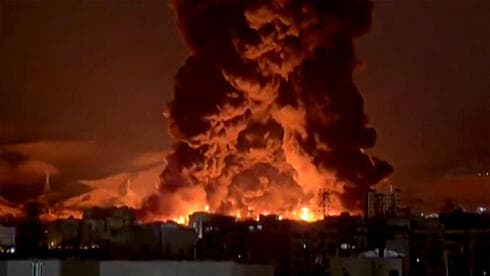
Trump Says U.S. Bombed Military Sites on Kharg Island, Iran's Oil Hub
14 sources compared
FBI Warns of Iranian Drone Plot Based on Unverified Tip; California Says No Credible Threat
10 sources compared

White House Demands ABC Retract Report Claiming Iran Sought To Launch Drone Attacks On California
11 sources compared

Iranian Proxy Claims It Shot Down US Refueling Plane in Iraq; US Military Says Otherwise
17 sources compared