
Cesar Chavez Accused of Raping Underage Girls, NYT Finds
Key Takeaways
- New York Times investigation reports Chavez abused girls and women for decades.
- Dolores Huerta claims Chavez sexually assaulted her, describing encounters in the 1960s.
- Institutions cancel or rethink Chavez Day events and renaming landmarks amid allegations.
Sexual Abuse Allegations
A bombshell investigation by The New York Times has revealed that civil rights icon Cesar Chavez sexually abused multiple women and girls during his leadership of the farmworker movement.
“She says, “It’s scary reaching out”
The comprehensive investigation was based on interviews with over 60 people and review of hundreds of pages of union records, documents, and photographs.

The investigation uncovered evidence that Chavez engaged in systematic sexual misconduct against vulnerable women who worked within the movement he co-founded.
The most disturbing allegations involve two women who were minors when the abuse began—Ana Murguia, who was 13 when the abuse started in 1972 and continued for years.
Debra Rojas was first inappropriately touched at age 12 and later raped at age 15, according to the investigation.
Both women described how Chavez used his position of power and their family connections to the movement to groom and abuse them.
Murguia stated the trauma led to multiple suicide attempts as a teenager, highlighting the severe psychological impact of the abuse.
Huerta's Revelation
In a stunning development that has sent shockwaves through the civil rights community, Dolores Huerta—Chavez's closest collaborator and co-founder of the United Farm Workers—broke decades of silence to reveal that she was also sexually abused by Chavez in the 1960s.
The 95-year-old labor icon disclosed that she experienced two separate sexual encounters with Chavez that resulted in pregnancies she kept secret for over 60 years.
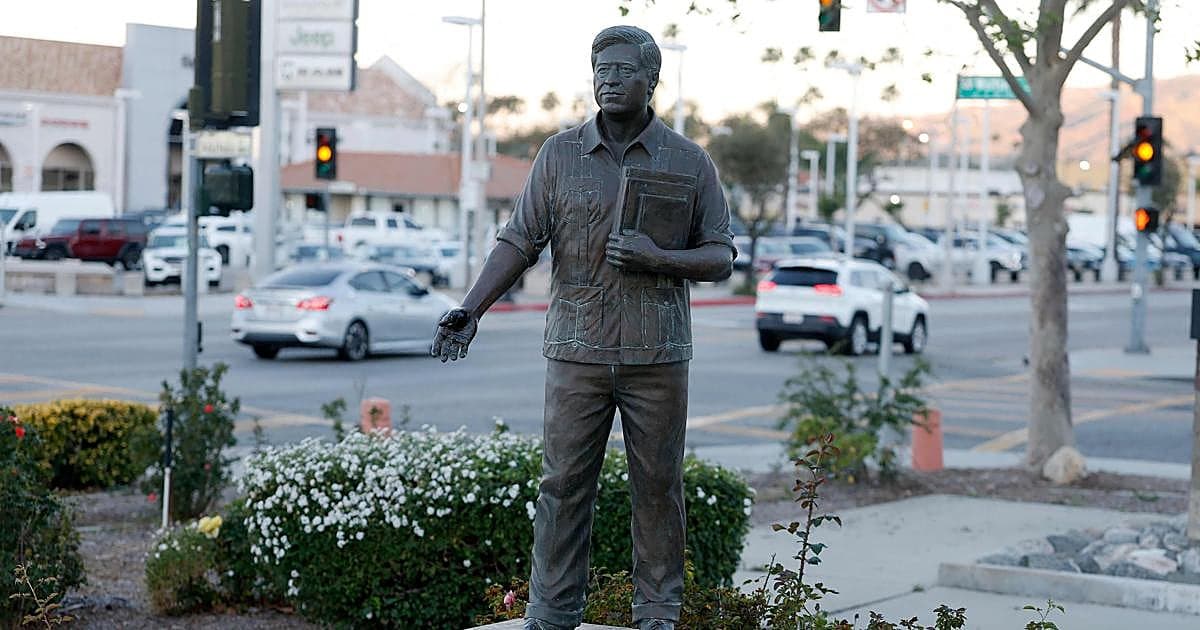
Huerta described the first encounter as occurring when she was 'manipulated and pressured' into having sex with someone she admired as a boss and movement leader.
The second time she was 'forced against my will, and in an environment where I felt trapped,' according to Huerta's statement.
Both encounters resulted in pregnancies that Huerta arranged to be raised by other families, developing close relationships with the children while keeping the truth about their paternity hidden until recently.
Huerta explained her long silence by stating that building the movement and securing farmworker rights was her life's work, and exposing the truth would have damaged the cause she had dedicated her entire life to fighting for.
Institutional Response
The revelation of these decades-old allegations has triggered an immediate and widespread institutional response, with multiple organizations and public entities distancing themselves from Chavez's legacy.
The United Farm Workers, which Chavez co-founded, issued a statement announcing it would not participate in any Cesar Chavez Day events, calling the allegations 'deeply troubling' and 'incompatible with our values.'
Similarly, the Cesar Chavez Foundation acknowledged being 'deeply shocked and saddened' by the allegations and announced it would work with the UFW to establish confidential channels for survivors.
Public institutions across the country have responded by canceling or rebranding events planned to commemorate Chavez, including marches in Houston, San Antonio, Corpus Christi, and Denver.
In San Jose, officials announced plans to identify monuments bearing Chavez's name and launch a 'community-driven initiative' to honor the broader farmworker justice movement without causing further harm to survivors.
The swift institutional response reflects the gravity of the allegations and the recognition that honoring a figure accused of such profound abuse would be incompatible with the values of justice and dignity that the farmworker movement ostensibly represents.
Political Condemnation
Political leaders across the ideological spectrum have condemned the allegations and called for significant reconsideration of how Chavez is commemorated in public spaces.
Progressive leaders including California Gov. Gavin Newsom, who described the news as 'hard to absorb,' and Assembly Speaker Robert Rivas, who emphasized that 'the farmworker movement has never been about one man,' have expressed support for survivors while acknowledging the profound impact of these revelations.
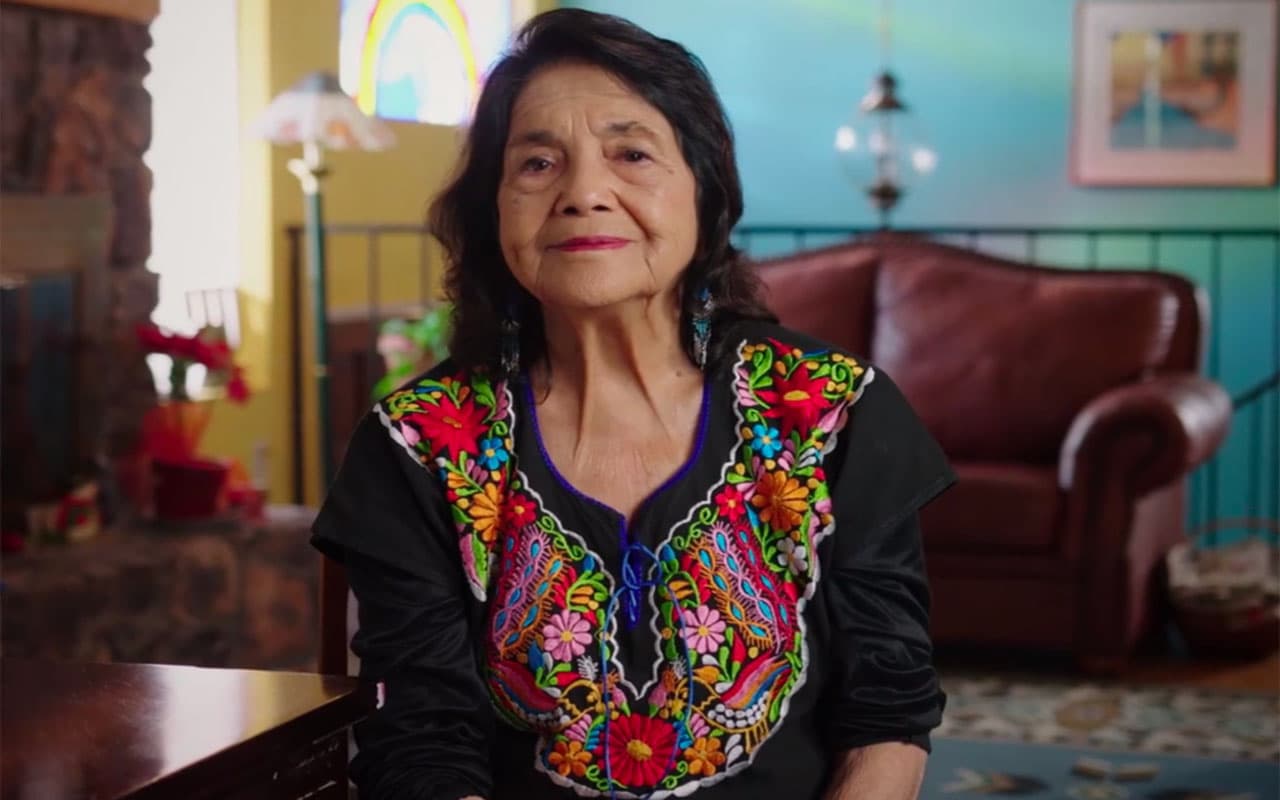
More pointedly, Sen. Ben Ray Luján of New Mexico issued a statement declaring that 'his name should be removed from landmarks, institutions and honors' and that 'we cannot celebrate someone who carried out such disturbing harm.'
Similar calls for removal of Chavez's name from public spaces have emerged from other officials, including San Diego's congressional delegation and various city council members.
Meanwhile, conservative figures like Texas Gov. Greg Abbott announced the state would not observe Cesar Chavez Day and pledged to work with legislators to remove it from state law altogether.
The bipartisan nature of these condemnations underscores the severity of the allegations and the consensus that honoring someone accused of such systematic abuse of vulnerable individuals is unacceptable regardless of their other contributions.
Movement Reflection
The investigation has also raised broader questions about the power dynamics within the farmworker movement and the protection of vulnerable individuals within organizations led by charismatic figures.
“Some of the slogans from the movement continue to have resonance in the US political sphere”
Labor experts and historians have noted that Chavez's centralized power came at the expense of women, immigrants, and others who made significant achievements for farmworkers nationwide.

Matt Garcia, a Dartmouth College professor who wrote about Chavez's abuses, commented that the union facilitated Chavez's unchecked power, failing to build democratic processes that could have protected those who were at odds with him.
The allegations have also sparked discussions about how movements handle historical figures whose legacies are complicated by serious misconduct, with many emphasizing that the farmworker movement itself—built by thousands of individuals—deserves to be honored separately from Chavez's personal failings.
As LULAC stated in its condemnation, 'no individual, regardless of stature or legacy, is above accountability when it comes to protecting and upholding the dignity of others.'
This principle is now guiding the broader conversation about how to balance historical recognition with the imperative to support survivors and hold powerful figures accountable for abuse, regardless of when it occurred.
More on USA
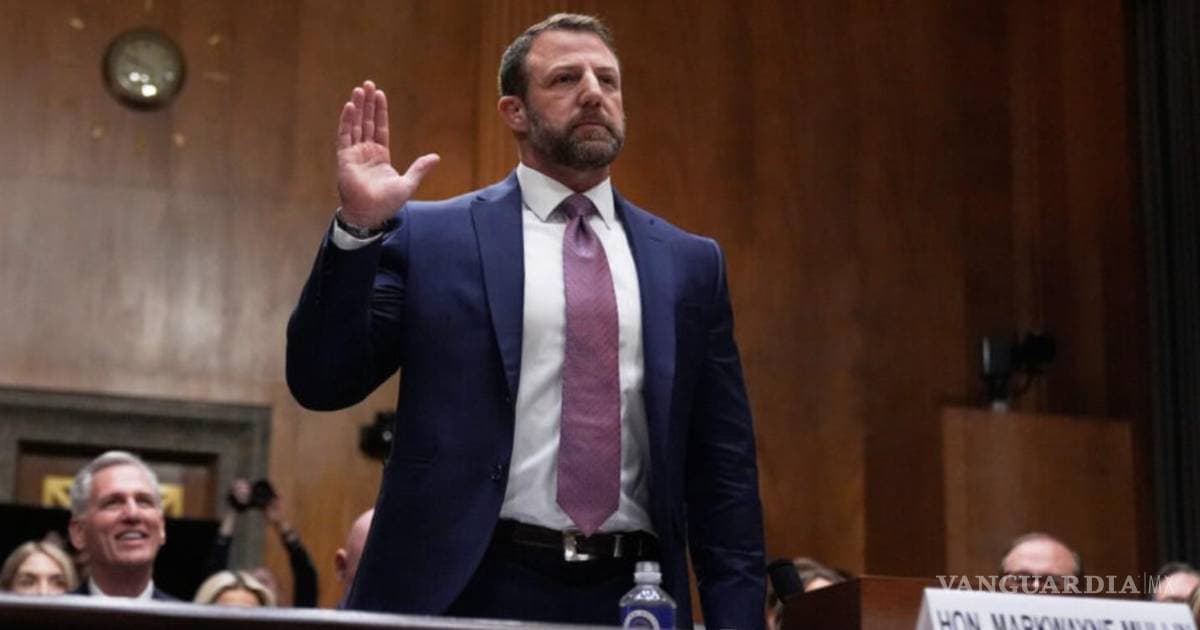
Rand Paul grills DHS nominee Mullin as confirmation hearing turns into fiery confrontation
10 sources compared

Mullin Faces Senate Questions Over Temperament During DHS Confirmation
78 sources compared

Trump waives Jones Act for 60 days to ease gas prices amid Iran war
16 sources compared

Juliana Stratton Wins Illinois Democratic Senate Primary to Replace Durbin
153 sources compared