
Cuba Begins Restoring Power After Nationwide Grid Collapse
Key Takeaways
- Nationwide grid collapse left more than 10 million Cubans without electricity.
- Power restoration began Sunday, reconnecting about 72,000 customers, including several hospitals.
- Crisis attributed to aging infrastructure compounded by a US oil blockade causing fuel shortages.
Grid Collapse Overview
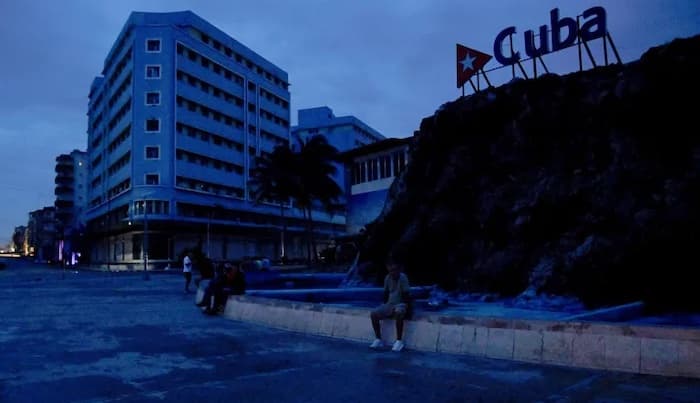
Cuba began restoring power to its national grid on Sunday, March 22, after suffering its third nationwide blackout in March and second in less than a week.
“The biggest problem, on this occasion, is that the island now almost lacks diesel and fuel oil for its generation engines due to the U”
The blackouts left more than 10 million people without electricity across the island.
The Cuban Electric Union reported a 'total disconnection of the National Electric System' occurred at 18:38 local time on Saturday, March 21, 2026.
The cause was traced to an unexpected failure at the Nuevitas thermoelectric plant in Camagüey province.
Authorities activated emergency protocols, establishing 'micro-islands' of generating units for vital services.
The country's energy ministry confirmed gradual restoration efforts were underway.
Full recovery remained a lengthy process given the scale of the collapse.
Root Causes of Crisis
The recent blackouts stem from a confluence of long-term infrastructure decay and acute fuel shortages exacerbated by US policy changes.
Cuba's aging power grid, dependent on outdated thermal power plants, has deteriorated significantly over recent years.
The country uses approximately 100,000 barrels of oil daily for essential services.
The immediate crisis intensified after the Trump administration captured Venezuela's former President Nicolás Maduro in January 2026.
This halt critically disrupted petroleum shipments from Cuba's key ally.
President Miguel Díaz-Canel confirmed the island has gone three months without receiving foreign fuel supplies.
Cuba produces only about 40% of the fuel needed to power its economy.
The US has threatened tariffs on countries selling oil to Cuba and demanded political liberalization.
Impact on Cuban Citizens
The ongoing power crisis has severely disrupted daily life for Cuban citizens.
“By Dave Sherwood Havana—Cuba said it had begun efforts early on Sunday to restore power after its grid collapsed for the second time in a week amid a US oil blockade that has dealt a major blow to the island’s already ailing energy infrastructure”
Nationwide blackouts are compounded by daily outages of up to 12 hours even when the grid is operational.
Residents report widespread consequences including broken household appliances from voltage fluctuations.
Food spoilage occurs when refrigerators stop working during prolonged outages.
Work hours have been reduced across the economy due to power constraints.
Water supplies have been compromised in many areas.
A Havana mother with two children reported her refrigerator broke during voltage fluctuations.
Hospitals have been forced to cancel surgeries due to power failures.
Tourism—the island's main source of foreign currency—has completely collapsed.
The crisis has sparked rare public dissent and expressions of frustration.
US-Cuba Relations
The crisis has heightened tensions between Cuba and the United States.
President Trump asserted he would soon have 'the honor of taking Cuba' following previous grid collapses.

His administration demands Cuba release political prisoners and liberalize politics and economics.
Cuban officials firmly rejected these demands as non-negotiable.
Deputy Foreign Minister Carlos Fernández de Cossío stated the political system is 'not up for negotiation.'
The Cuban government warned of 'unbreakable resistance' against external aggressors.
Cuba's armed forces are preparing for possible military action.
International solidarity efforts have emerged with aid shipments arriving in Havana.
Progressive US politicians like Rep. Ilhan Omar called an end to the 'economic warfare'.
Restoration Challenges
Restoration efforts continue across Cuba as authorities work to gradually rebuild the national energy system.
“Turn the Lights Back On The whole city is dark”
The Ministry of Energy and Mines has established 'micro-islands' of generating units across provinces.
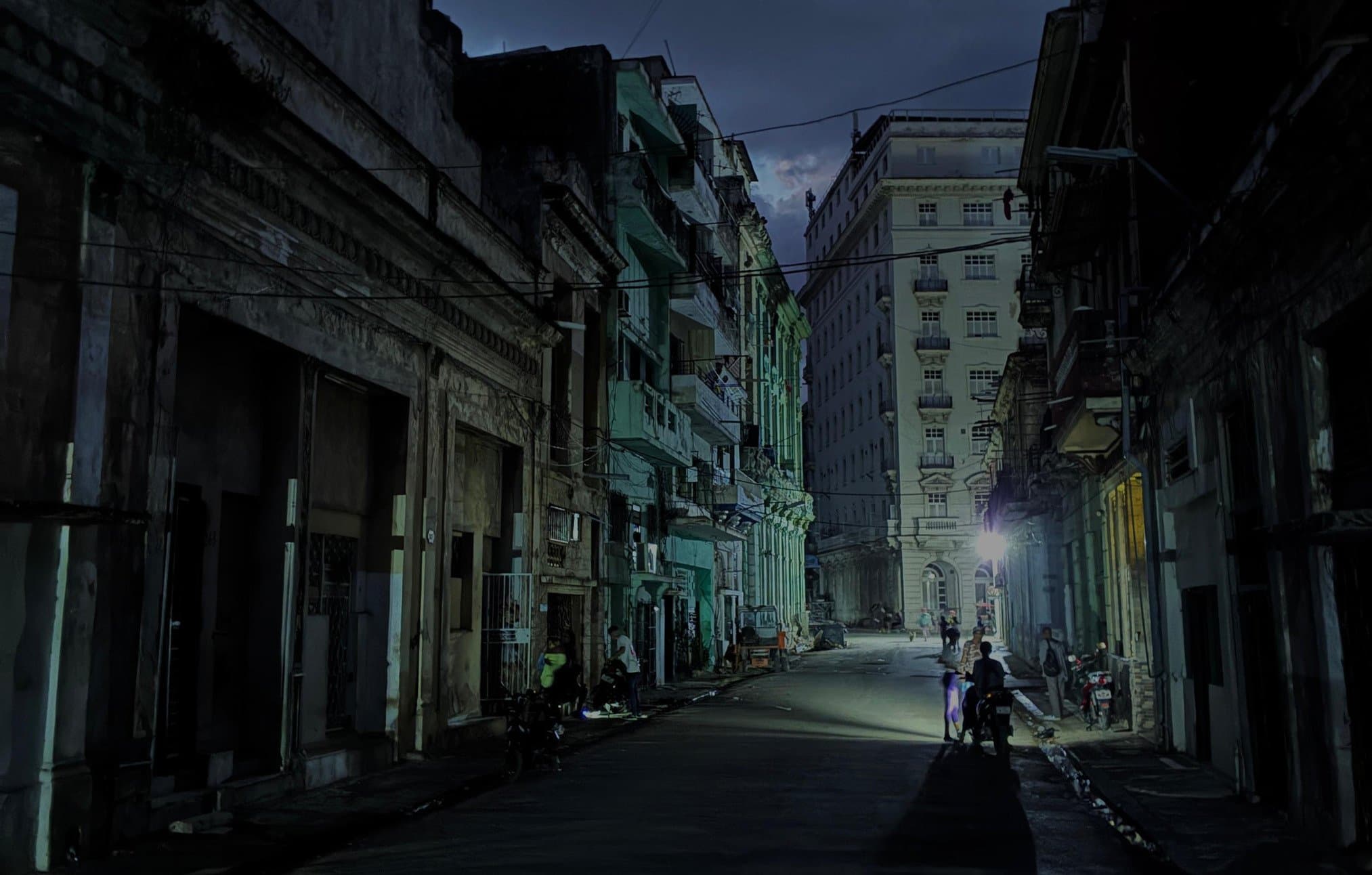
These maintain power for critical services while the main grid recovers.
The country's two gas-fired power plants in Varadero and Boca de Jaruco are operational.
Electricity has reached the nearby Santa Cruz oil-fired plant.
The restoration process is expected to take days due to the scale of the collapse.
Ongoing fuel shortages further complicate recovery efforts.
The crisis has underscored Cuba's urgent need for energy diversification.
Only 9% of daily demand is currently met by solar photovoltaic generation.
Experts warn structural issues remain unaddressed without fuel resolution and infrastructure investment.
More on USA

Trump Threatens to Deploy ICE to Airports to Assist TSA Amid DHS Shutdown
11 sources compared

Trump Threatens to Take Cuba as Cuban Deputy Foreign Minister Says Military Ready to Respond
16 sources compared

President Trump deploys ICE to airports Monday to aid TSA during DHS shutdown.
17 sources compared

Iran Vows to Close Strait of Hormuz If Trump Targets Iranian Energy Infrastructure
18 sources compared