US Plans Military Action Against Cuba, Cuban Deputy Foreign Minister Warns
Key Takeaways
- Cuban deputy foreign minister says armed forces are preparing for potential U.S. military aggression.
- Cuba frames possible action as defensive, rejects interference, and seeks U.S. respect for sovereignty.
- Tensions rise amid Trump threats and sanctions; Cuban officials warn against underestimating U.S. intentions.
Cuban Military Preparations
Cuba is actively preparing its military for potential US aggression as tensions escalate between the two nations.
“Cuba preparing for possible US ‘military aggression’: Deputy foreign minister 'Why would the government of the United States force its country to take military action against a neighboring country like Cuba”
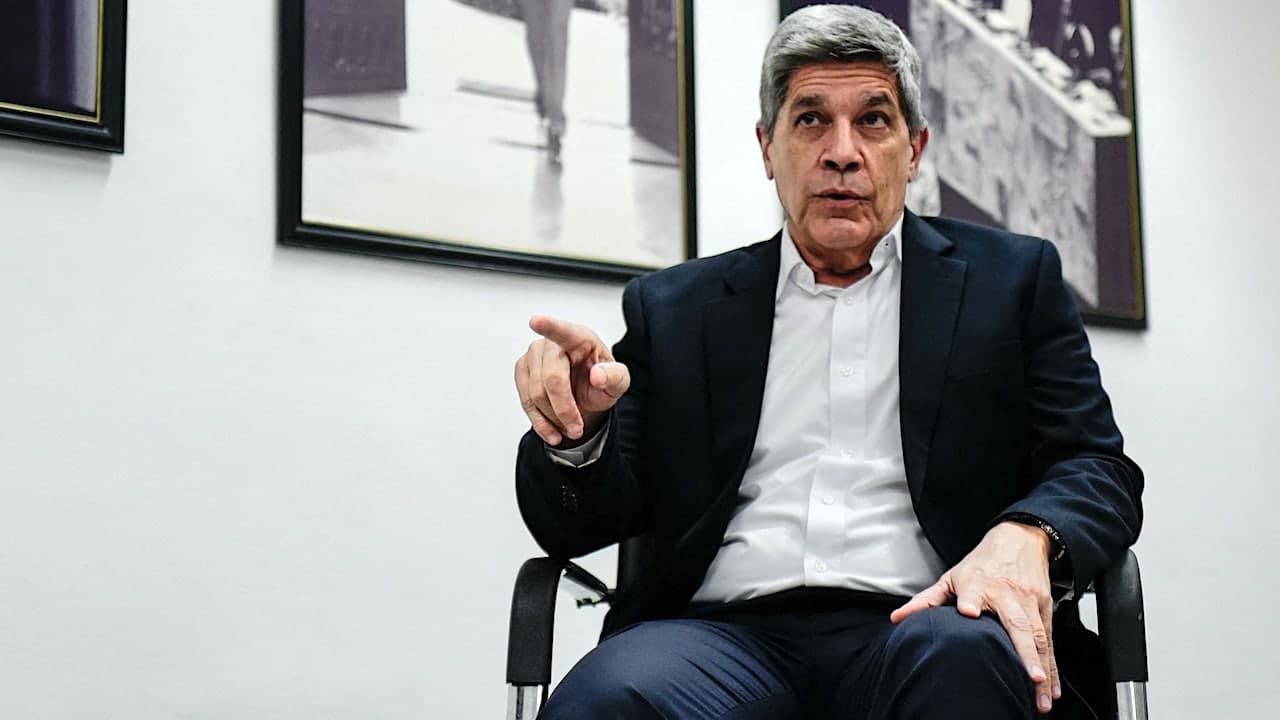
Cuban Deputy Foreign Minister Carlos Fernández de Cossío warned that his country's armed forces are 'always prepared' and 'preparing these days for the possibility of military aggression.'

The Cuban diplomat emphasized that it would be 'naive' not to consider the possibility of conflict given global events.
He expressed hope that such aggression does not occur while questioning why the US would attack Cuba.
This comes amid increasingly hostile rhetoric from President Donald Trump, who publicly declared his intention to 'take Cuba in some form.'
Trump stated that he 'can do anything I want with it,' alarming officials in Havana and intensifying speculation about Washington's intentions.
Economic Pressure and US Military Position
The Trump administration's aggressive posture toward Cuba has manifested through concrete actions including a severe oil blockade.
This blockade has plunged the island nation into deeper economic crisis with severe power outages, fuel shortages, and transport disruptions.

Cuban officials blame tightened US sanctions and interruption of oil supplies from allies like Venezuela for the current hardships.
The economic situation has been exacerbated by Trump's implementation of oil sanctions that have worsened Cuba's already struggling economy.
Secretary of State Marco Rubio has expressed disdain for Cuba's current leaders, suggesting they 'don't know how to fix' the country.
Despite these economic pressures and rhetorical threats, the Pentagon's top commander for Latin America sought to tamp down fears of imminent military action.
He stated that current US military planning is focused on protecting the US Embassy, defending Guantanamo Bay, and supporting DHS in case of mass migration rather than invasion preparations.
Cuban Sovereignty and Defiance
Cuban government officials have firmly rejected any notion of regime change being up for negotiation.
“The Cuban deputy foreign minister said that his country is prepared for a possible U”
They maintain a defiant stance against US pressure tactics despite economic pressures and diplomatic isolation.
Deputy Foreign Minister Carlos Fernández de Cossío emphasized that 'Cuba is a sovereign country and has the right to be a sovereign country and has the right to self-determination.'
He added that 'Cuba would not accept to become a vassal state or a dependent state from any other country or any other superpower.'
Cuban President Miguel Díaz-Canel similarly warned that any attempt to force a leadership change would result in 'impregnable resistance.'
This reflects the government's determination to maintain control despite economic pressures.
Cuba has engaged in secret talks with the United States led by Secretary of State Marco Rubio.
The Cuban government has made clear that regime change and discussions about political prisoners are 'absolutely' not topics for negotiation in any bilateral discussions.
Historical Context and Regional Impact
The escalating tensions between the United States and Cuba have deep historical roots.
Relations have been strained since the 1959 revolution led by Fidel Castro that brought the communist government to power.

American presidents have consistently sought regime change in Cuba since that time.
The current Trump administration has escalated both rhetoric and economic pressure to unprecedented levels.
The current crisis has been further complicated by Cuba's economic dependency on Venezuela, particularly for oil supplies.
These supplies were severely disrupted after the US military operation in Venezuela that led to the capture of President Nicolás Maduro in January.
That operation resulted in the deaths of 32 Cuban soldiers who were part of Maduro's security detail.
This has further fueled Cuban animosity toward the Trump administration.
Despite the hardline stance from both sides, some US lawmakers have expressed concern about Trump's approach.
Representative Jim McGovern warned that Trump's bullying approach 'is going to come back to bite us in the rear end, quite frankly.'
Diplomatic Engagement and Limitations
Despite escalating tensions and military posturing, diplomatic channels remain open between Washington and Havana.
“government, as a sovereign nation, designates as their spokesperson, as their lead negotiator, and we’re ready to negotiate with whoever is designated by the U”
These channels have significant limitations on the scope of discussions.
Cuban officials have confirmed that talks are underway, led by Secretary of State Marco Rubio.
However, they emphasize these discussions are strictly limited to bilateral issues.
The talks do not include regime change or the release of political prisoners according to Cuban officials.
Fernández de Cossío stated that 'We are in dialogue with the United States to talk about bilateral issues.'
He added that 'We're not talking about prisoners in the United States, and the U.S. has the highest record of prisoners in the world.'
Cuba has shown some willingness to engage by releasing political prisoners and offering investment opportunities.
These concessions have been dismissed by Rubio as 'not radical enough.'
The ongoing diplomatic engagement suggests both sides may seek to avoid direct conflict while maintaining hardened positions.
More on USA

Trump Celebrates Robert Mueller's Death, Says He's Glad He's Dead
15 sources compared

Trump Deploys ICE to Airports to Support TSA During DHS Shutdown
28 sources compared

Cuba Begins Restoring Power After Nationwide Grid Collapse
20 sources compared

President Trump deploys ICE to airports Monday to aid TSA during DHS shutdown.
17 sources compared