
Cuba Protests Erupt as Anti-Government Demonstrators Attack Communist Party Office Over Blackouts
Key Takeaways
- Protesters in Morón, central Cuba, attacked the Communist Party headquarters over power outages.
- Five protesters were detained/arrested during the Morón demonstration, according to state authorities.
- Authorities cite energy shortages intensified by a US oil blockade as a driving factor.
Protest Overview
Anti-government protests erupted in Cuba as demonstrators attacked a Communist Party office in the city of Morón, representing a rare outburst of public dissent triggered by worsening blackouts exacerbated by a US oil blockade.
According to state-run newspaper Invasor, the protests began on Friday night and continued into early Saturday morning, with videos showing large fires and people throwing rocks through building windows while shouting 'liberty.'

The incident comes amid growing frustration among Cubans facing prolonged power outages and food shortages, with students at the University of Havana staging sit-ins after classes were suspended due to energy restrictions.
The Cuban government characterized the events as vandalism against the municipal committee of the Communist Party, while opposition-aligned media confirmed the mobilization and reported slogans including 'Down with the dictatorship' and 'Homeland and Life' being chanted by protesters.
Protest Escalation
The protest in Morón escalated dramatically from a peaceful gathering against power cuts and food shortages to a violent confrontation with Cuban authorities.
Videos on social media captured the moment the situation turned, showing protesters breaking into the Communist Party office and throwing stones at the burning building as they removed furniture, documents, and computers to burn in the streets.

According to multiple sources, the violence included incidents where two men set fire to palm tree branches and threw them into the office building, prompting chants of 'freedom' from nearby protesters.
One video captured a gunshot sound with a person subsequently seen lying on the ground, though Cuban state media later clarified that no one was shot by police, instead attributing the incident to an intoxicated participant who fell and was being treated for injuries at the hospital.
Five people were arrested by Cuban authorities in connection with the disturbances.
US Blockade Context
The current crisis in Cuba stems directly from tightened US sanctions, particularly the oil blockade imposed after President Trump cut off Venezuelan oil shipments following the US attack on Venezuela and abduction of former President Nicolas Maduro in January.
“Shouts of “liberty” could be heard in one of the videos, according to the news agency Reuters”
Trump's executive order threatened economic penalties against any country supplying Cuba with oil, whether directly or indirectly, effectively severing Cuba's ability to import fossil fuels.
This has had devastating consequences for Cuba's aging energy grid, which largely relies on fossil fuels, as well as for everyday life including transportation and power generation.
According to Cuban President Miguel Diaz-Canel, no petroleum shipments have arrived in Cuba for three months, exacerbating an already strained economy.
Trump has openly expressed hopes for regime change, stating that Cuba was 'on the brink of collapse' and that it would be 'next' after the US war against Iran concludes, with the island being 'at the end of the line' for his administration's attention.
Government Response
In response to the escalating protests, Cuban authorities have taken a measured approach, balancing between addressing public grievances and maintaining control.
President Miguel Diaz-Canel acknowledged that anger over prolonged outages was understandable while warning against violence, stating there would be 'no impunity for vandalism and violence.'

The government confirmed it was conducting talks with Washington to diffuse the situation, though details on the nature of these talks remain unclear.
Meanwhile, Cuban state media has worked to frame the narrative, rejecting reports of police shootings and describing the events as vandalism rather than legitimate protest.
Internationally, reactions have been mixed, with some US politicians expressing support for the protesters, such as Florida Congressman Carlos A. Giménez who posted messages of support with slogans like #SOSCuba and FREE CUBA NOW!
The United States continues to maintain its critical stance toward Cuba's government, with officials stating they seek to promote political changes in the country located just 150 kilometers from U.S. territory.
Historical Context
The current protests in Morón represent a significant development in Cuba's recent political landscape, particularly when viewed in historical context.
“Authorities said that five people were arrested in a demonstration that was linked to the island's energy supply issues and access to food”
The city was also the site of significant protests during the anti-government riots on July 11, 2021, the largest demonstrations since Fidel Castro's 1959 revolution.

However, the nature of current protests differs notably - while the 2021 protests faced severe repression with some participants sentenced to 20 years or more in prison, the current demonstrations have seen a more restrained government response.
The economic conditions driving these protests are among the most severe Cuba has faced in decades, with power outages reaching 15 to 20 hours per day in some regions like Ciego de Ávila.
Fuel shortages have drastically reduced public transportation, making it difficult for teachers and students to attend classes, which has led to student activism including sit-ins at the University of Havana.
The situation has created a charged atmosphere across the island, with nightly protests in multiple cities featuring the traditional 'cacerolazo' pot-banging protests that have become a symbol of Cuban resistance to economic hardship.
More on Protests

President Diaz-Canel Confirms Cuba-US Talks to Settle Bilateral Disputes
159 sources compared
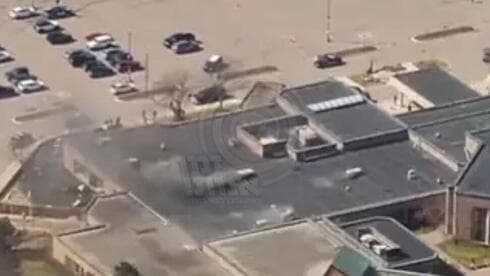
Naturalized US citizen Ayman Mohamad Ghazali rams vehicle into West Bloomfield synagogue, dies
129 sources compared

Artist Secret Handsake Installs Titanic-Pose Statue of President Trump With Jeffrey Epstein on National Mall
15 sources compared
ISIS-Inspired Suspects Throw Homemade Bombs at Mayor Zohran Mamdani's Residence; Two Charged
10 sources compared