
President Diaz-Canel Confirms Cuba-US Talks to Settle Bilateral Disputes
Key Takeaways
- Cuban officials have recently held talks with U.S. representatives to address bilateral differences.
- Talks occur amid Cuba's energy crisis and fuel shortages caused by the U.S. oil blockade.
- Dialogue is to be conducted on the basis of equality and sovereignty.
Talks Confirmation
Cuban President Miguel Díaz-Canel confirmed on Friday, March 13, 2026, that his government has been holding recent talks with representatives of the United States government.
“Based on facts observed and directly verified by our journalists or by informed sources”
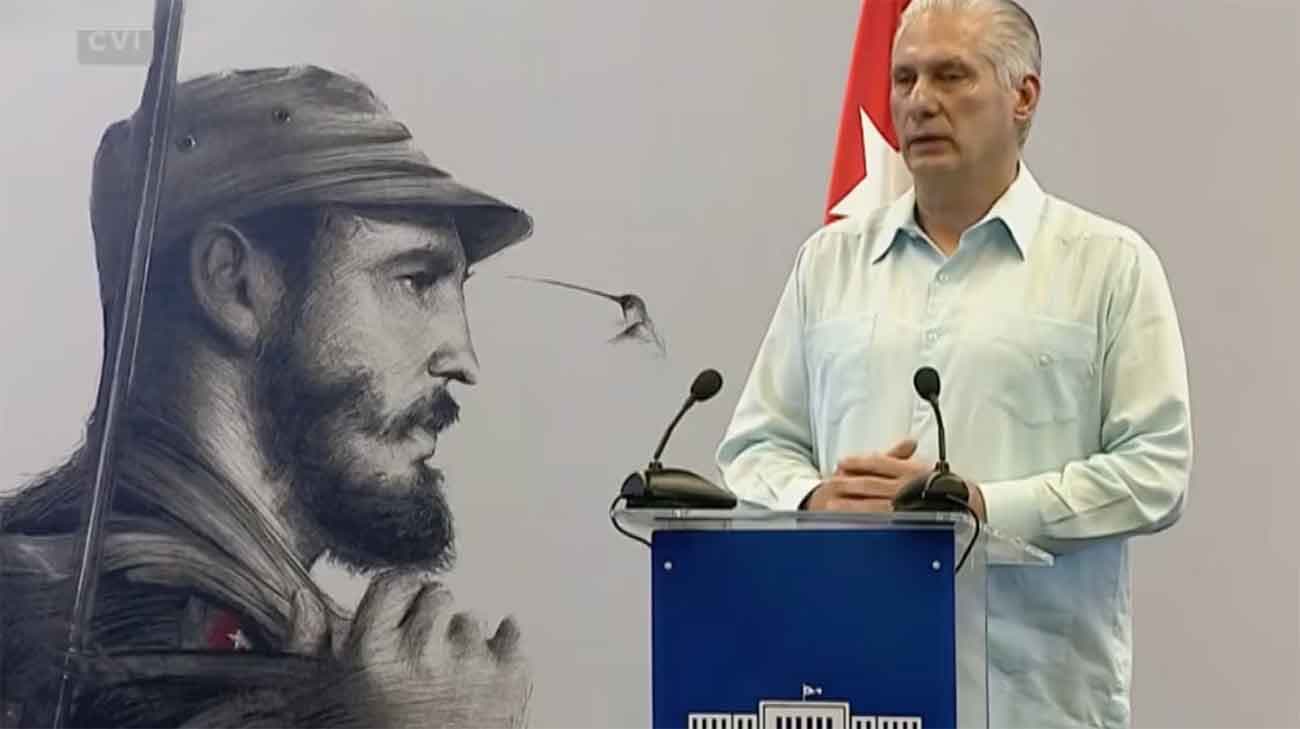
The announcement came during a televised address and meeting with top Cuban Communist Party officials, marking the first official acknowledgment from Havana of discussions that had been speculated about for weeks.
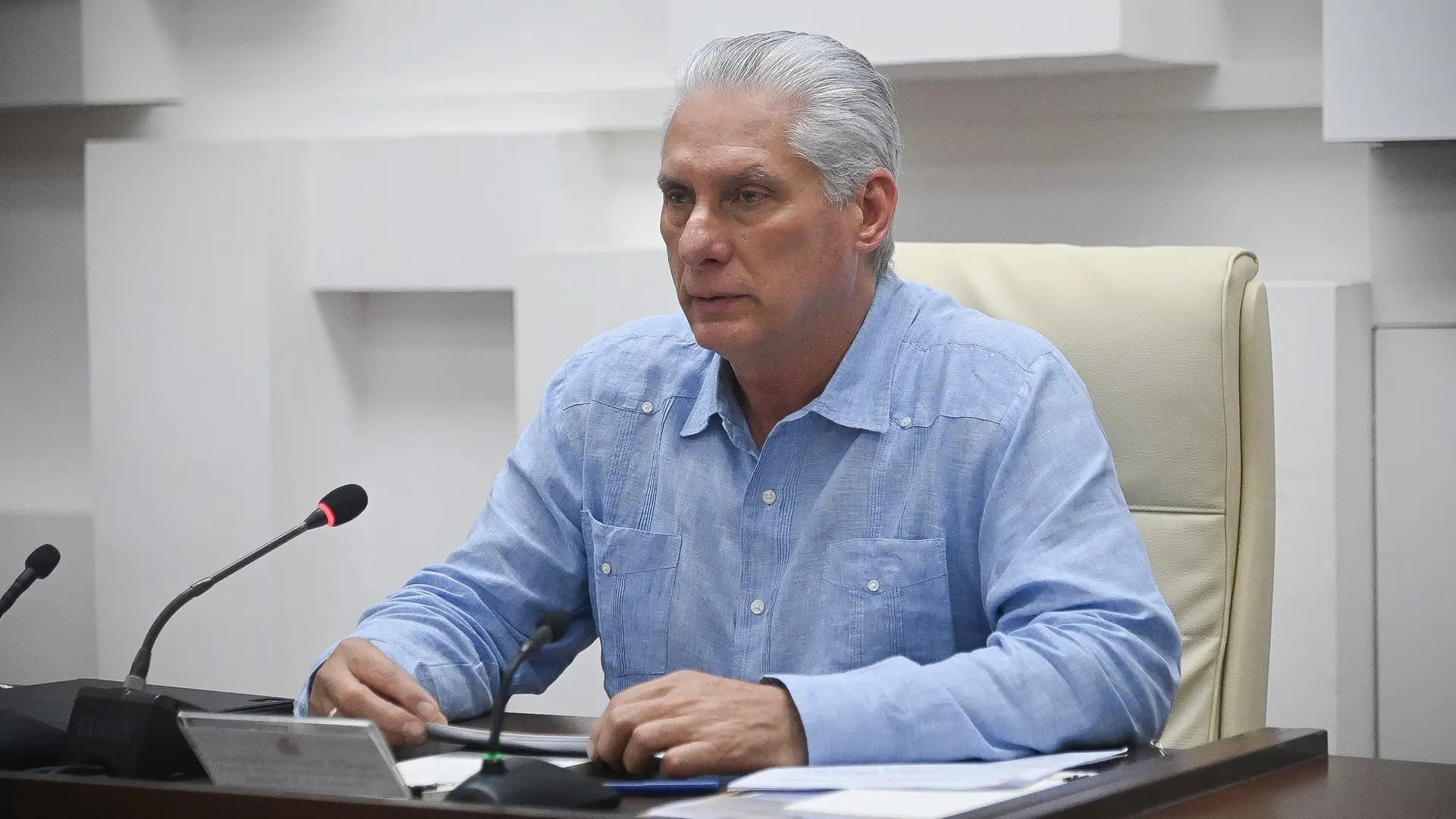
Díaz-Canel stated that the conversations aimed 'to seek solutions through dialogue to the bilateral differences that exist between our two nations' and were facilitated by 'international factors' that he did not specify.
The talks were being led by Díaz-Canel himself, along with former President Raúl Castro and other senior Communist Party officials, though the Cuban leader did not identify who participated on the U.S. side.
Energy Crisis Context
The confirmation of talks comes amid an unprecedented energy crisis in Cuba, with Díaz-Canel revealing that 'no fuel has entered the country for three months' due to what he described as a U.S. 'energy blockade.'
The crisis has been exacerbated since the Trump administration captured Venezuelan President Nicolás Maduro in January, cutting off Cuba's main oil supplier and threatening sanctions against any country that sells oil to the island.
The fuel shortages have caused widespread power blackouts, with up to 58% of the island experiencing simultaneous outages at times, severely impacting transportation, healthcare, education, and basic services.
Díaz-Canel acknowledged that 'the impact is tremendous' and that 'tens of thousands of people are waiting for surgery that cannot be performed due to lack of electricity,' while the government has implemented emergency measures like converting bakeries to wood or coal and installing solar panels.
Vatican Mediation
Hours before Díaz-Canel's announcement, the Cuban government revealed that it would release 51 prisoners in the coming days, a move described as a 'sovereign practice' and 'goodwill gesture' conducted under the auspices of the Vatican.
“In that context, the president warned weeks ago that the country was approaching a scenario that could force it to adopt "extreme measures" to confront the economic emergency”
The timing suggests the prisoner release may be part of diplomatic efforts to facilitate the talks with the United States.
The Catholic Church has historically served as a mediator between Cuba and the U.S., most notably during the 2014-2017 Obama administration rapprochement.
Vatican involvement was further evidenced by Foreign Minister Bruno Rodríguez's meeting with Pope Leo XIV on February 28, and earlier meetings between Holy See officials and American diplomats.
However, human rights groups like Justicia 11J noted that Cuba still holds at least 760 political prisoners, including 358 from the July 2021 protests, raising questions about the scope and nature of the releases.
Differing Perspectives
The talks reveal starkly different perspectives between Havana and Washington.
From Cuba's perspective, Díaz-Canel emphasized that any dialogue must be conducted 'on the basis of equality and respect for the political systems of both states, for sovereignty and for the self-determination of our governments.'
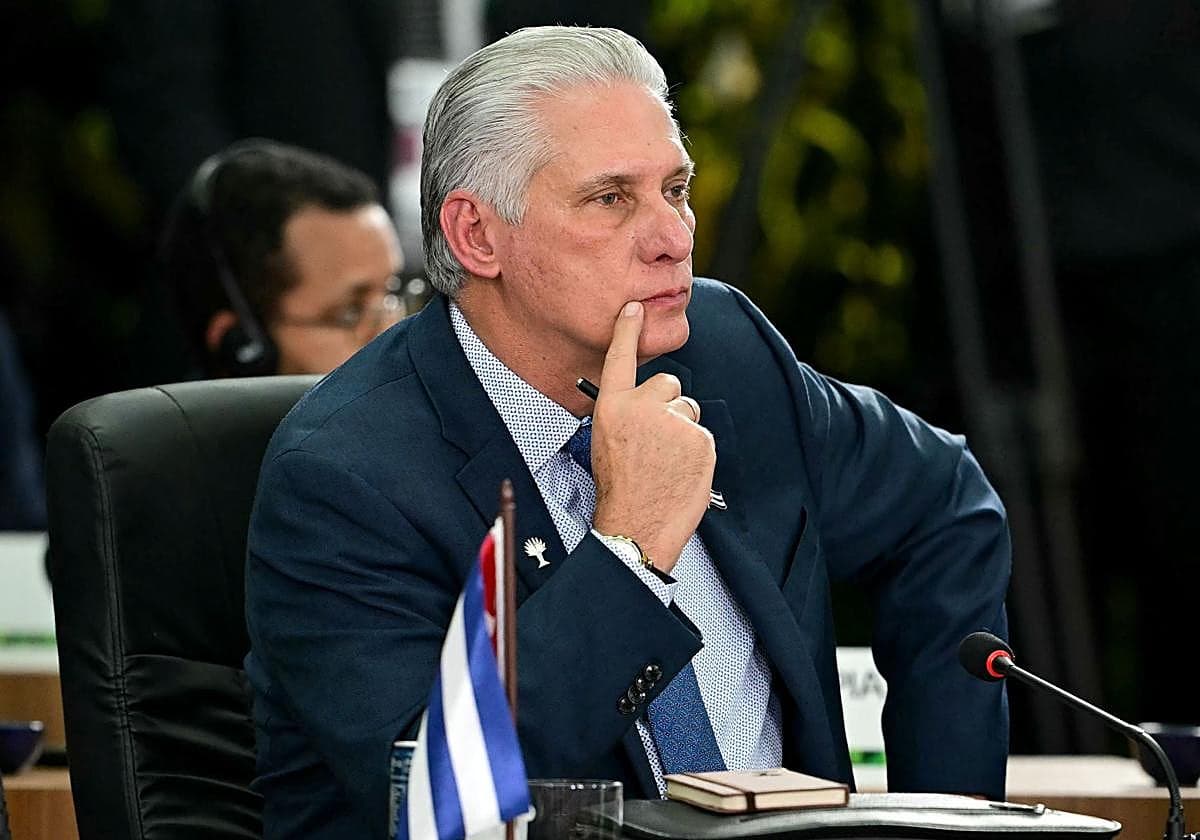
He rejected speculation about potential political changes, stating Cuba's position 'has been raised taking into account a sense of reciprocity and adherence to international law.'
In contrast, the Trump administration has been more explicit about its objectives, with President Trump declaring Cuba 'is in its last moments of life as it was' and suggesting a 'friendly takeover' could be imminent.
U.S. officials have reportedly discussed an economic deal that could include 'an off-ramp for President Miguel Díaz-Canel, the Castro family remaining on the island and deals on ports, energy and tourism,' while seeking to eradicate Russian, Chinese and European influence on the island.
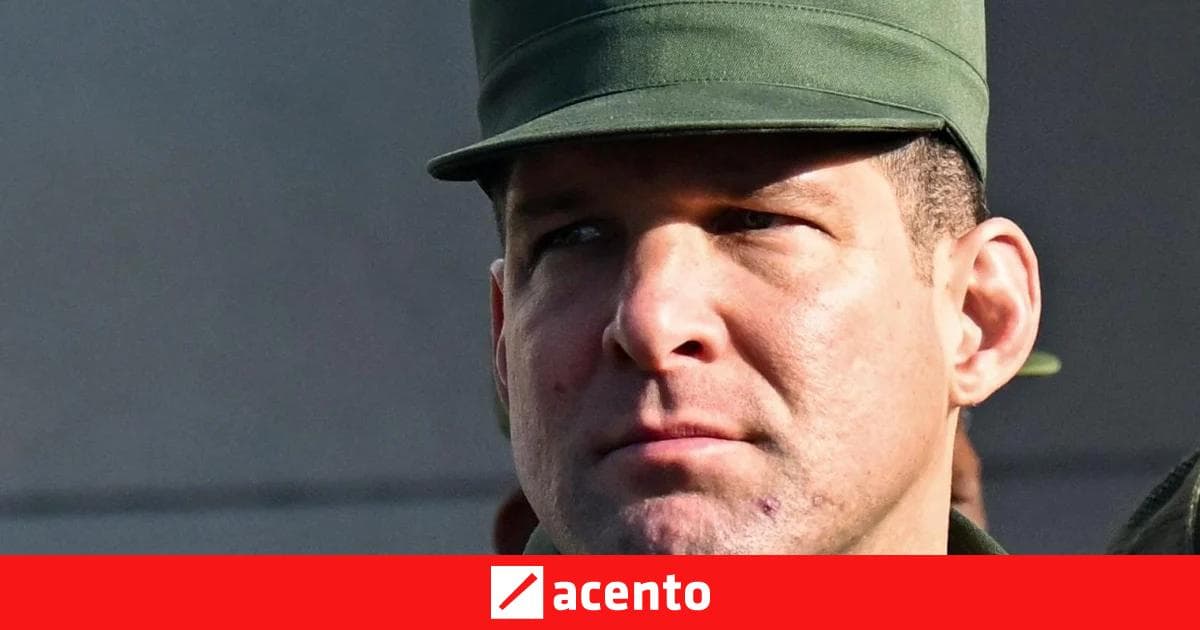
Secretary of State Marco Rubio has been identified as the key U.S. negotiator, reportedly meeting with Raúl Castro's grandson Raúl Guillermo Rodríguez Castro ('El Cangrejo') in Caribbean venues.
Historical Context
The current diplomatic rapprochement represents a significant shift in Cuba-U.S. relations, which have been marked by decades of hostility, intermittent engagement, and the enduring U.S. embargo.
While Díaz-Canel compared the current talks to the 2014-2017 Obama-era normalization efforts, the context differs dramatically.
The current talks occur under maximum U.S. economic pressure rather than the gradual approach taken by Obama, and Cuba is facing a more severe economic crisis than during previous periods of engagement.
The international community has reacted cautiously, with Mexican President Claudia Sheinbaum expressing support for dialogue while maintaining Mexico's constitutional principles of self-determination.
Meanwhile, Russia reaffirmed its support for Cuba, with Foreign Minister Sergei Lavrov expressing 'firm support for the brotherly Cuban people in their efforts to defend the sovereignty of the state and the right to choose their own path of development.'
As Díaz-Canel noted, the process is in its 'initial phases' and both countries remain 'far from reaching any type of formal agreement,' with Cuban officials indicating that specific details will only be disclosed when there are concrete advancements.
More on USA
Pro-Iran Group Strikes U.S. Embassy in Baghdad
17 sources compared

President Trump urges allies to send warships to secure Hormuz amid US-Israel war on Iran
50 sources compared

Cuba's Díaz-Canel Acknowledges Talks with U.S. as Energy Crisis Worsens
25 sources compared

Six U.S. airmen killed as KC-135 crashes in western Iraq during Operation Epic Fury
58 sources compared