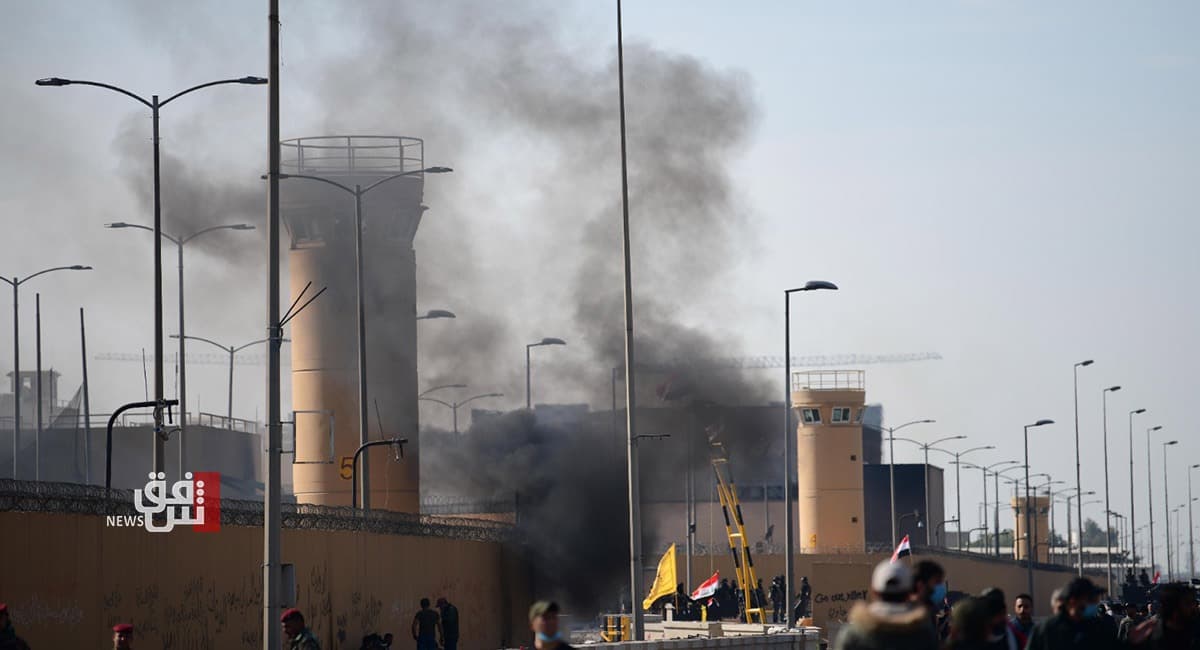
Pro-Iran Group Strikes U.S. Embassy in Baghdad
Key Takeaways
- Missile and drone strikes hit Baghdad's U.S. Embassy, damaging the C-RAM air defense.
- Helipad was struck and smoke rose over the embassy compound.
- Iran-linked proxies or groups are implicated, signaling broader U.S.–Iran tensions.
Attack Details
A missile attack struck the U.S. Embassy in Baghdad's heavily fortified Green Zone on March 14, 2026.
“Smoke seen rising from US embassy in Baghdad The United States Embassy in the Iraqi capital Baghdad has been hit by a missile attack that caused smoke to rise from the building”
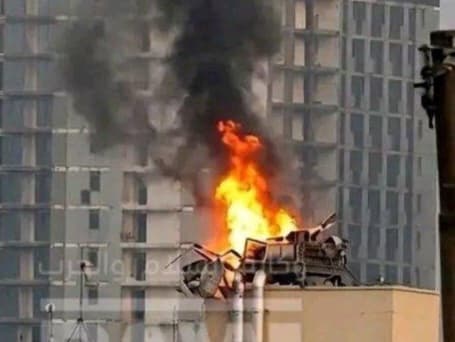
The attack caused visible smoke and flames to rise from the compound as the projectile breached multiple layers of security defenses.

According to Al Jazeera and multiple security sources, the missile specifically targeted and destroyed part of the embassy's air defense system.
Other reports indicate a separate strike hit a helipad within the compound boundaries.
The Associated Press confirmed the incident, with witnesses reporting dramatic visual evidence captured on video and circulated on social media platforms.
Context and Motivation
The attack came amid escalating tensions between Iran and the U.S.-Israel coalition, occurring shortly after two Iran-backed fighters were killed in strikes on Baghdad.
The incident follows weeks of intensifying hostilities that began with U.S.-Israeli airstrikes on Iran on February 28.
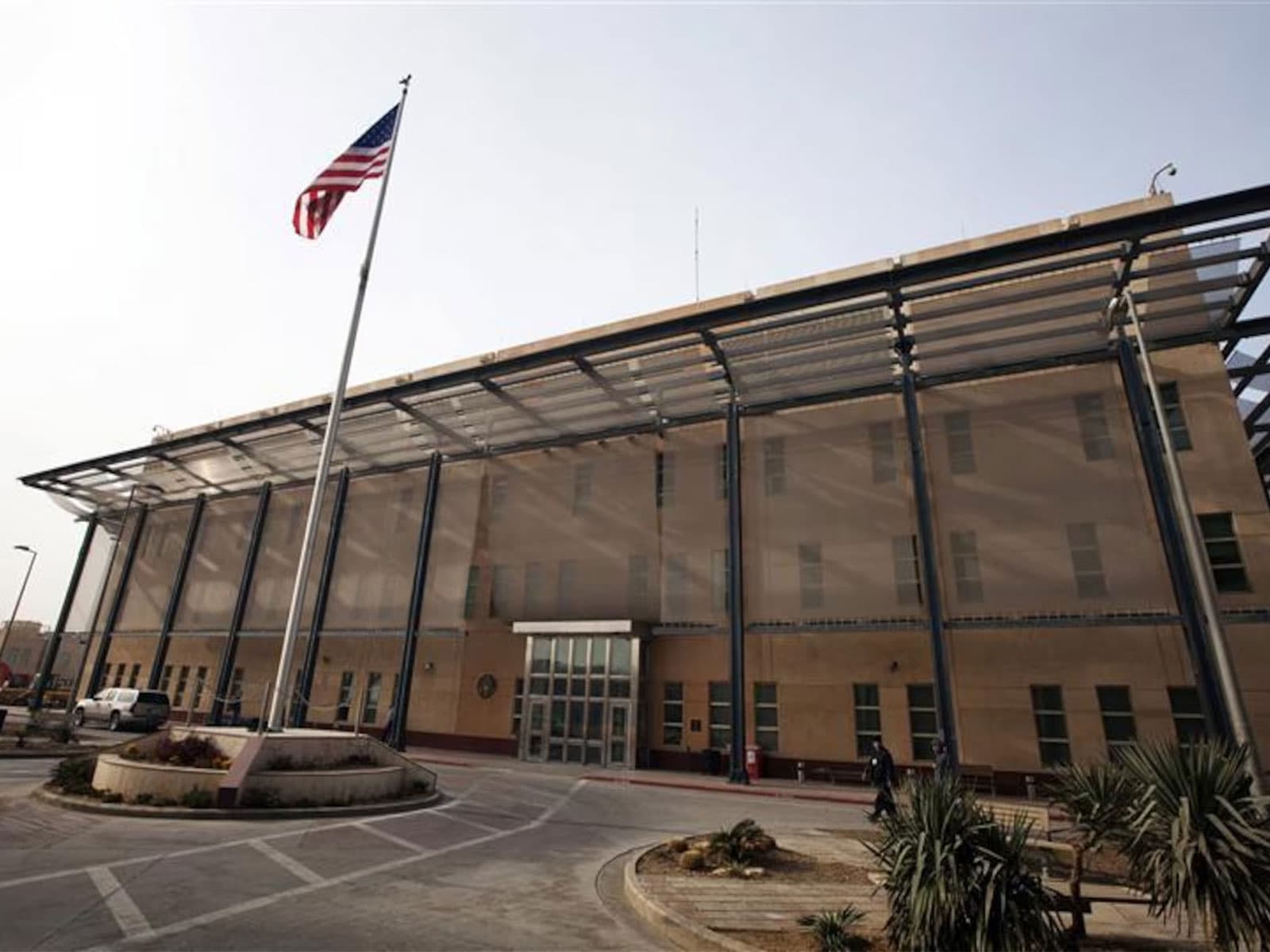
Iranian state broadcaster Press TV reported that a suicide drone was used to target the embassy's radar system, with Iraqi sources indicating the mission specifically focused on electronic detection equipment within the diplomatic compound.
Iranian Parliament Speaker Mohammad Bagher Ghalibaf asserted that Iran no longer distinguishes between the United States and Israel.
Ghalibaf claimed Trump had been 'duped by Netanyahu into starting the war and is now acting under his control,' while the Islamic Revolutionary Guard Corps announced the launch of new phases of retaliatory operations targeting American and Israeli installations across the region.
Security Impact
Despite the successful penetration of one of the world's most heavily guarded diplomatic compounds, the attack resulted in no confirmed casualties.
“An Iraqi security source announced that the US Embassy in Baghdad has been struck by a rocket attack, destroying a satellite communications system”
The attack appeared to be primarily aimed at operational signaling rather than mass destruction.
The embassy had issued a Level 4 security alert just hours before the attack warning of potential strikes by Iran-aligned militia groups.
This indicated intelligence assessments had already identified elevated risks to American facilities in Iraq.
The incident underscores the continuing vulnerability of even the most secure diplomatic sites to low-cost drone warfare.
The embassy's layered defenses combining physical security, electronic surveillance, and active interception systems proved penetrable.
Iraqi security forces reportedly tightened the cordon around the Green Zone following the attack, indicating concern that additional strikes could follow.
The absence of internal chaos suggests structural defenses remained intact despite damage to key systems.
Official Responses
In response to the escalating attacks, the U.S. Embassy & Consulate in Iraq issued an urgent warning Saturday telling all U.S. citizens to leave Iraq immediately.
The warning cited 'indiscriminate attacks on U.S. citizens and U.S.-linked facilities across Iraq' by Iran-aligned militias.
The embassy reiterated the U.S. Department of State Level 4 'Do Not Travel' advisory for Iraq, the highest travel warning.
The embassy specifically advised Americans not to attempt travel to the U.S. Embassy in Baghdad or the U.S. Consulate in Erbil due to ongoing threats from missiles, drones and rockets in Iraqi airspace.
Meanwhile, the Iraqi government condemned the attack as 'a clear and explicit violation of international laws and the rights of citizens.'
Iraqi National Security Adviser Qasim al-Araji called it 'a blatant aggression and a violation of sovereignty.'
Iraqi authorities reiterated that Iraq 'is not a party to the ongoing war and refuses to be drawn into it.'
The country's Security Media Cell condemned the targeting of residential areas in related strikes that reportedly killed two people.
Regional Escalation
The embassy attack represents part of a broader pattern of intensifying regional conflict.
“A missile attack on the US Embassy in Baghdad marks a dramatic escalation in Middle East tensions as US-Iran hostilities intensify and fears grow over the safety of diplomatic staff and global oil supplies”
Iran's Islamic Revolutionary Guard Corps has launched what it describes as 'successful and decisive waves of unrelenting retaliatory strikes' against Israeli and American targets across the Middle East.
%3Aquality(85)%2Ftpg%2Fsources%2F9c442f88-d421-4479-a710-85c455195052.jpeg&w=3840&q=75)
The IRGC confirmed the execution of the 48th phase of its ongoing retaliatory campaign, targeting various Israeli and American installations in coordination with Hezbollah.
The operation utilized a sophisticated mix of weaponry including 'solid-fuel Kheibar Shekan missiles, liquid-fuel Qadr missiles, and attack drones.'
This follows a suspected Iranian drone strike last week on the U.S. Embassy in Riyadh, Saudi Arabia, which caused a fire but did not result in severe damage.
The broader conflict has disrupted global energy markets, with Iran's closure of the Strait of Hormuz—the world's most important oil chokepoint—sending shockwaves through energy supplies.
President Trump announced that U.S. airstrikes had 'obliterated' military targets on Iran's Kharg Island, deliberately sparing the island's oil infrastructure for the time being.
Trump warned he would 'immediately reconsider' this decision should Iran interfere with shipping through the strait.
More on USA

President Trump Urges Allies to Deploy Warships to Strait of Hormuz
64 sources compared

Cuba's Díaz-Canel Acknowledges Talks with U.S. as Energy Crisis Worsens
25 sources compared

KC-135 Refueling Jet Crashes in Iraq, Killing Six U.S. Service Members
65 sources compared

FAA Lifts DC-Area Ground Stop; Delays Persist Amid Equipment Outage
23 sources compared