USA14 March, 20264 min read
FAA Lifts DC-Area Ground Stop; Delays Persist Amid Equipment Outage
Ground stops issued for Reagan National, Dulles, BWI, and Richmond. Strong chemical odor detected at Potomac TRACON cited as cause.

Ground Stop Issued
The Federal Aviation Administration (FAA) issued ground stops at multiple major airports in the Washington, D.C. region on Friday, March 13, 2026, after a strong chemical smell was detected at the Potomac TRACON facility in Virginia. The ground stop began around 4:50 p.m. and affected Ronald Reagan Washington National Airport (DCA), Washington Dulles International Airport (IAD), Baltimore-Washington International Airport (BWI), and Richmond International Airport (RIC), with departures temporarily halted across multiple FAA air traffic regions. The FAA initially expected the ground stop to remain in effect until 7 p.m., though they noted a medium probability of extension between 30-60 percent.
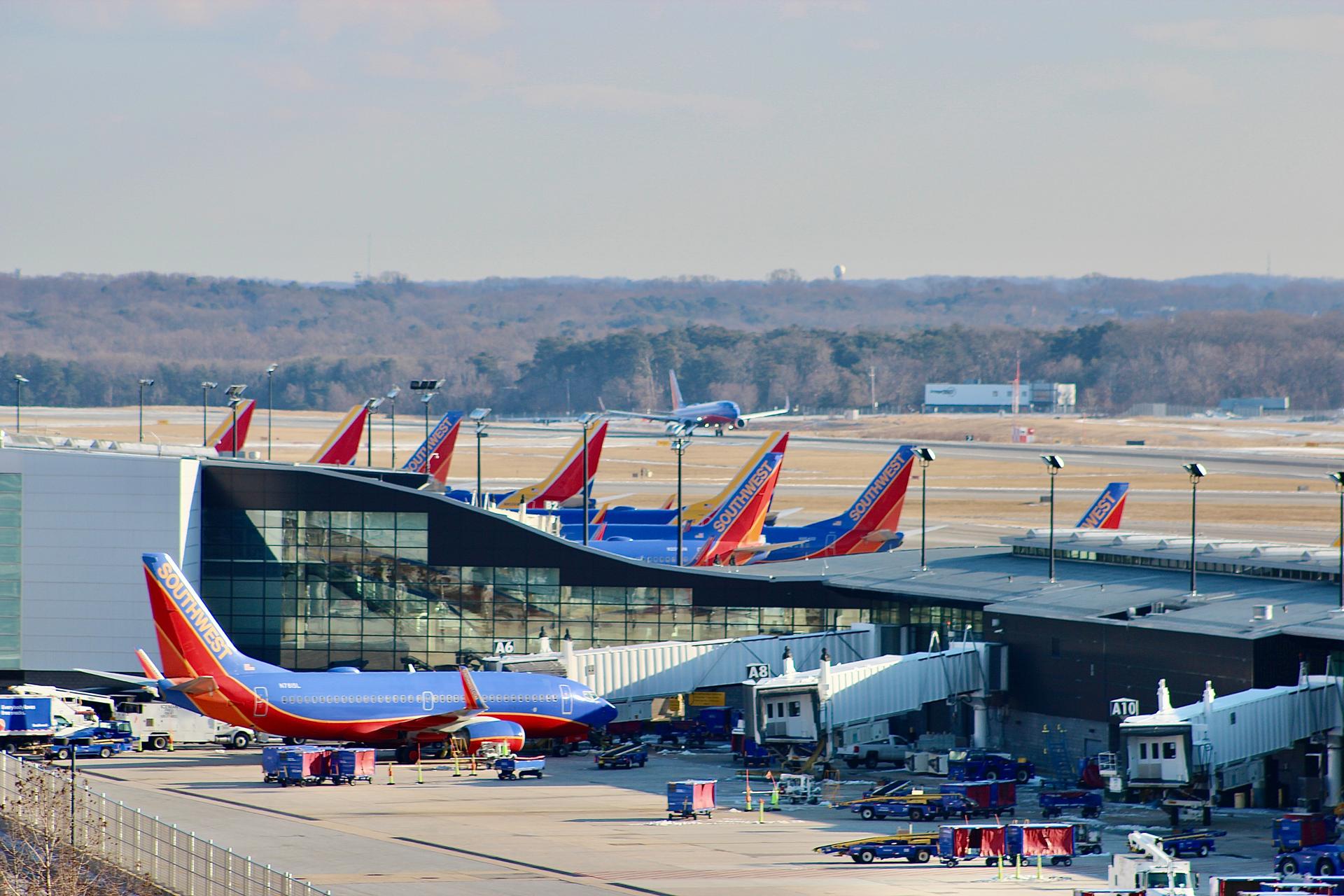
“03/13/2026 6:11 p.m. In Maryland, the Federal Aviation Administration issued a ground stop at Baltimore/Washington International Thurgood Marshall Airport (BWI) beginning at 4:51 p.m. Friday, March 13, citing an equipment outage, according to the FAA's National Airspace Status system.”
The disruption came during one of the busiest travel periods of the week, affecting weekend travelers and commuters across the Eastern Seaboard and beyond. Operations continued while the issue was addressed, but travelers were warned to expect significant delays as crews worked to resolve the equipment outage.
Circuit Board Cause
The incident was traced to an overheated circuit board at the Potomac TRACON (Terminal Radar Approach Control) facility located in Warrenton, Virginia, approximately 50 miles outside Washington, D.C. Transportation Secretary Sean Duffy confirmed that the strong odor emanated from a faulty circuit board that had overheated, which was subsequently replaced by maintenance crews. The Potomac TRACON facility serves as a critical air traffic control hub, managing airspace for the Baltimore-Washington and Richmond-Charlottesville areas, including Joint Base Andrews, BWI, Reagan, Dulles, Richmond, and numerous other regional airports.
Over 25 Fauquier County Fire Rescue System and Prince William County hazmat crews responded to the facility, where they found the smell stemmed from a faulty building monitor being worked on by a contractor. Firefighters confirmed there was no danger to air traffic controllers, who were temporarily relocated to a backup facility while the issue was addressed, with approximately 30 FAA workers evaluated but none requiring hospitalization.
Traveler Impact
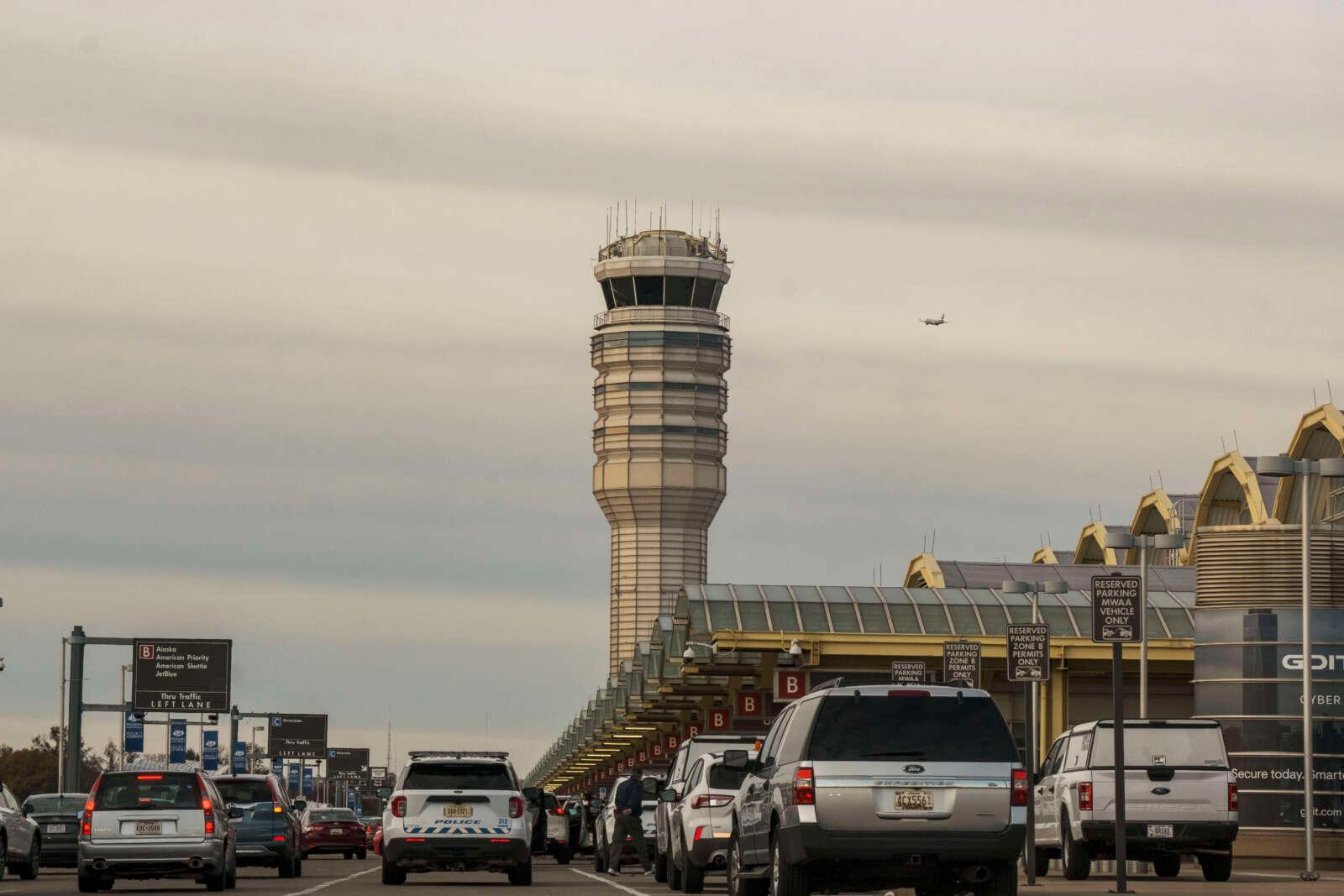
The ground stop had immediate and severe impacts on travelers across the affected airports, with departure delays ranging from 90 minutes to over three hours as the disruption rippled through the regional air traffic system. At Dulles International Airport, departure delays reached 90 minutes and were described as increasing throughout the evening, while Reagan National Airport faced delays of more than three hours and BWI experienced delays of up to three hours or more. Flight tracking data indicated that over 325 flights (34% of total) at Reagan National, 215 flights (30%) at BWI, and more than 260 flights at Dulles were delayed.
“Dulles International Airport is seeing 90-minute delays (and increasing) on departures. All ground stops were lifted at the three airports as of 7:45 p.m., though flight delays of up to 3 hours or more remained in effect until overnight Friday into Saturday morning, according to the FAA website.”
Passengers at Reagan National were crowded at gates, with many sitting or lying on the floor due to lack of available seating as the delays extended. Some travelers attempted to book Amtrak tickets as an alternative, but all trains were found to be fully booked. The timing of the disruption - Friday evening - proved particularly problematic as it coincided with one of the busiest travel periods of the week when many passengers were heading out for weekend trips.
Resolution Achieved
By 7:45 p.m. on Friday, the FAA had lifted all ground stops at the affected airports, as confirmed by Transportation Secretary Sean Duffy who stated that operations had resumed and the ground stop was over.
The circuit board causing the chemical odor had been successfully replaced, allowing air traffic controllers to return to the Potomac TRACON facility.

However, despite the lifting of the ground stops, significant flight delays persisted throughout the evening and into the early morning hours.
The FAA website indicated that Reagan National remained under a ground delay until 11:59 p.m., while BWI and Dulles were scheduled for delays until 12:59 a.m. Saturday.
The agency advised travelers to monitor fly.faa.gov for real-time updates and expect lingering delays as airlines worked through the backlog of delayed flights.
The resolution came relatively quickly compared to similar incidents, with Transportation Secretary Duffy thanking the public for their patience as FAA officials worked to restore normal operations to the regional aviation system.
Regional Impact
The incident highlighted the critical importance of the Potomac TRACON facility and how disruptions at a single air traffic control center can have cascading effects across multiple airports and regions. Built by Lockheed Martin and completed in December 2002, the facility was designed to handle more than two million flights annually and provides essential air traffic control services for a vast area including Ronald Reagan National, Dulles, BWI, Richmond International, Andrews Air Force Base, and numerous smaller regional airports. The disruption also affected other airports in the TRACON's coverage area, including Charlottesville-Albemarle and Manassas Regional airports, while Philadelphia International Airport experienced separate ground delays due to 'equipment outages.'
“The Potomac TRACON is a central hub for regional aviation management. Unlike individual airport towers that handle immediate takeoffs and landings, this facility manages the broader airspace and consolidates communications for multiple busy airways. Built by Lockheed Martin and completed in December 2002, the facility was designed to handle more than two million flights annually.”
The incident was particularly notable for its rarity - ground stops simultaneously affecting three major airports are uncommon events that demonstrate the interconnected nature of the national air traffic system. Travelers were advised to check their airline's apps for real-time updates and to remain flexible as airlines worked to manage the backlog of delayed flights during the busy Friday evening travel period.
