
President Trump Urges Allies to Deploy Warships to Strait of Hormuz
Key Takeaways
- Trump urged allied navies to deploy warships to keep the strait open.
- He claimed 'many countries' would send vessels to keep the strait open amid Iranian blockade.
- The strait carries about a fifth of global oil and LNG flows.
Global Naval Coalition
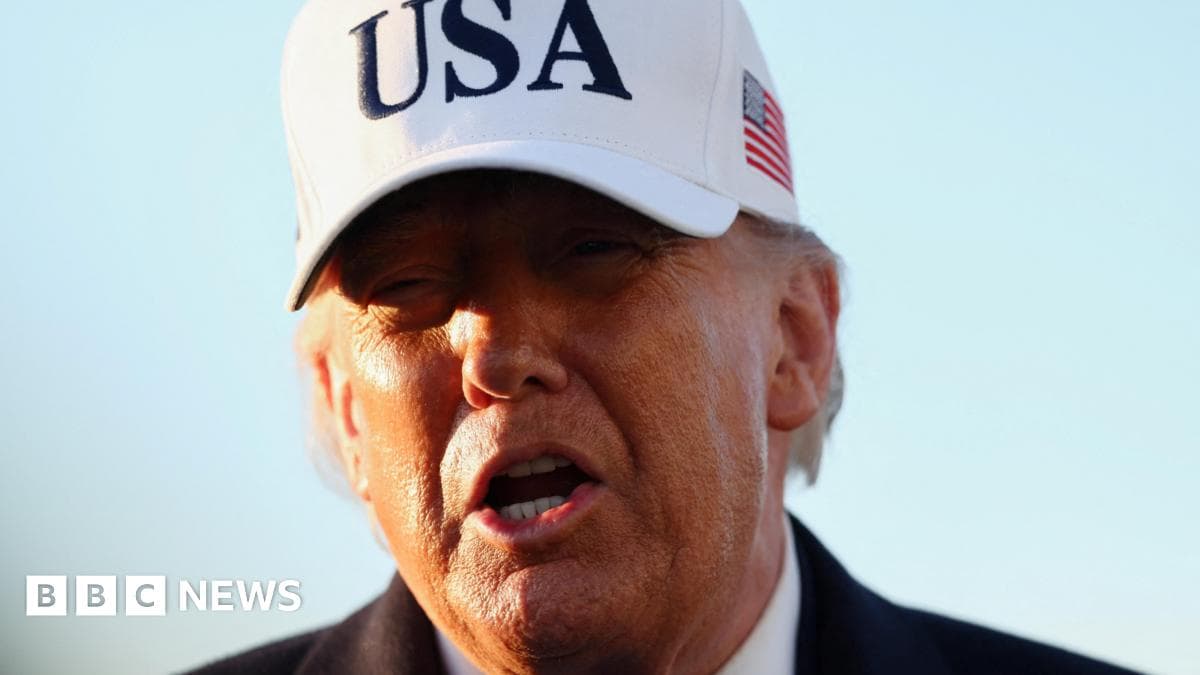
US President Donald Trump has issued an urgent call to global allies to deploy naval forces to the Strait of Hormuz amid escalating tensions with Iran in the ongoing US-Israeli conflict.
“United States President Donald Trump has said “many countries” will dispatch warships to keep the Strait of Hormuz open, without offering details about which states are on board”
In a series of posts on Truth Social on March 14, Trump specifically named China, France, Japan, South Korea, and the United Kingdom as countries he hoped would send warships to operate alongside US naval forces.

The president framed this as a shared responsibility, declaring that 'The Countries of the World that receive Oil through the Hormuz Strait must take care of that passage, and we will help — ALOT!'
Trump emphasized that this would be a 'team effort' coordinated by the United States to ensure the continued flow of maritime trade through the strategically vital waterway.
Strategic Energy Corridor
The strategic importance of the Strait of Hormuz cannot be overstated, as it serves as a critical chokepoint for global energy supplies.
The narrow waterway connects the Persian Gulf to international waters and handles approximately 20% of the world's oil shipments and 20% of global liquefied natural gas trade, amounting to roughly 20 million barrels of oil per day.

Multiple sources emphasize that any disruption to this vital maritime corridor would have catastrophic consequences for global energy markets and trade.
Iran's effective closure of the strait since February 28 has already pushed oil prices up by 40% and cut off 27% of the world's maritime oil and gas flow, according to maritime intelligence data cited by various outlets.
Military Posturing
Trump has made bold claims about US military superiority over Iran while acknowledging the ongoing threat posed by Tehran's asymmetric capabilities.
The president asserted that 'We have already destroyed 100% of Iran's Military capability' but conceded that it remains 'easy for them to send a drone or two, drop a mine, or deliver a close-range missile somewhere along, or in, this Waterway, no matter how badly defeated they are.'
In response to this threat, Trump vowed aggressive US military action, declaring that 'the United States will be bombing the hell out of the shoreline, and continually shooting Iranian Boats and Ships out of the water.'
The Iranian military has rejected these claims, with naval chief Alireza Tangsiri stating that 'The Strait of Hormuz has not yet been militarily closed and is merely under control,' while asserting that US ships have no right to enter the Gulf.
Allied Reluctance
The international community has responded cautiously to Trump's call for naval deployments, with allied governments showing reluctance to commit forces to the volatile region.
The UK Ministry of Defence stated it was 'discussing a range of options to ensure the security of shipping in the region with allies,' while France President Emmanuel Macron described any potential naval role as strictly 'defensive' and limited to escort missions once the 'intense phase of the conflict' had ended.

Despite Trump's optimism that many countries would join the naval coalition, there has been no immediate confirmation from any of the named nations.
Trump has indicated that US naval operations would begin 'soon, very soon,' with reports suggesting the USS Tripoli and around 2,500 Marines have been dispatched to the region.
Meanwhile, Iran has maintained its position that the strait is only closed to ships belonging to US and its allies, and has granted rare exemptions to vessels from countries like India, with two Indian-flagged tankers successfully crossing the strait on March 15.
Humanitarian Crisis
The escalating conflict has had devastating humanitarian and economic consequences, with the war now entering its third week since hostilities began on February 28.
“So we mustn't let him push the UK around now”
The death toll has reportedly surpassed 2,000, with the majority of casualties occurring within Iran.
Iranian local media reported that an air raid in Isfahan killed at least 15 people after a domestic appliance factory was hit, while Iran's Health Ministry claimed more than 1,200 people have been killed by US and Israeli strikes.
The conflict has also caused massive displacement, with the UN refugee agency reporting up to 3.2 million people displaced.
Beyond the human toll, the economic impacts are severe, with global energy markets experiencing their biggest-ever disruption in oil supply.
Military analysts warn that a purely military solution may not be sufficient to secure the strait, with experts noting that 'Without putting troops on both sides of the Strait of Hormuz and ensuring that you're able to prevent drones and mine attacks, I just don't see a military solution,' highlighting the complex challenges facing any international naval coalition.
More on USA
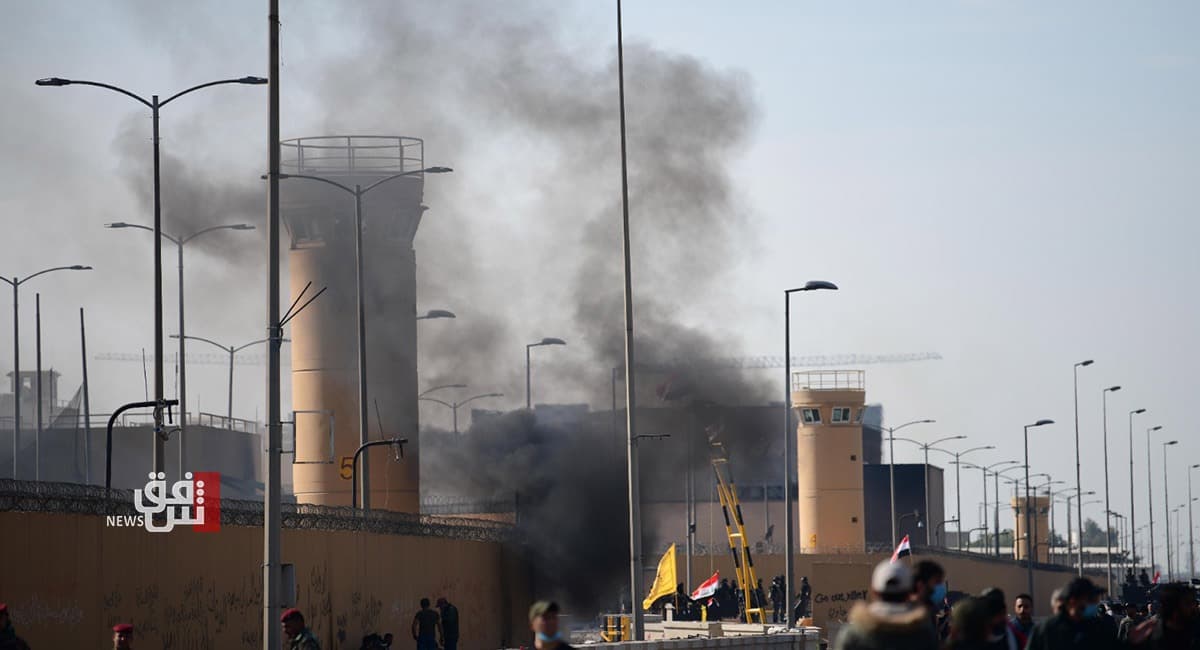
Pro-Iran Group Strikes U.S. Embassy in Baghdad
17 sources compared

Cuba's Díaz-Canel Acknowledges Talks with U.S. as Energy Crisis Worsens
25 sources compared

KC-135 Refueling Jet Crashes in Iraq, Killing Six U.S. Service Members
65 sources compared

FAA Lifts DC-Area Ground Stop; Delays Persist Amid Equipment Outage
23 sources compared