
Cuba Pulls Doctors From Jamaica, Guyana After U.S. Pressure
Key Takeaways
- Cuba is withdrawing its medical brigades from Guyana and Jamaica
- United States pressure is cited as a reason for the withdrawals
- Host governments altered contracts to pay Cuban doctors directly, reducing payments to Cuba
Withdrawals and scale
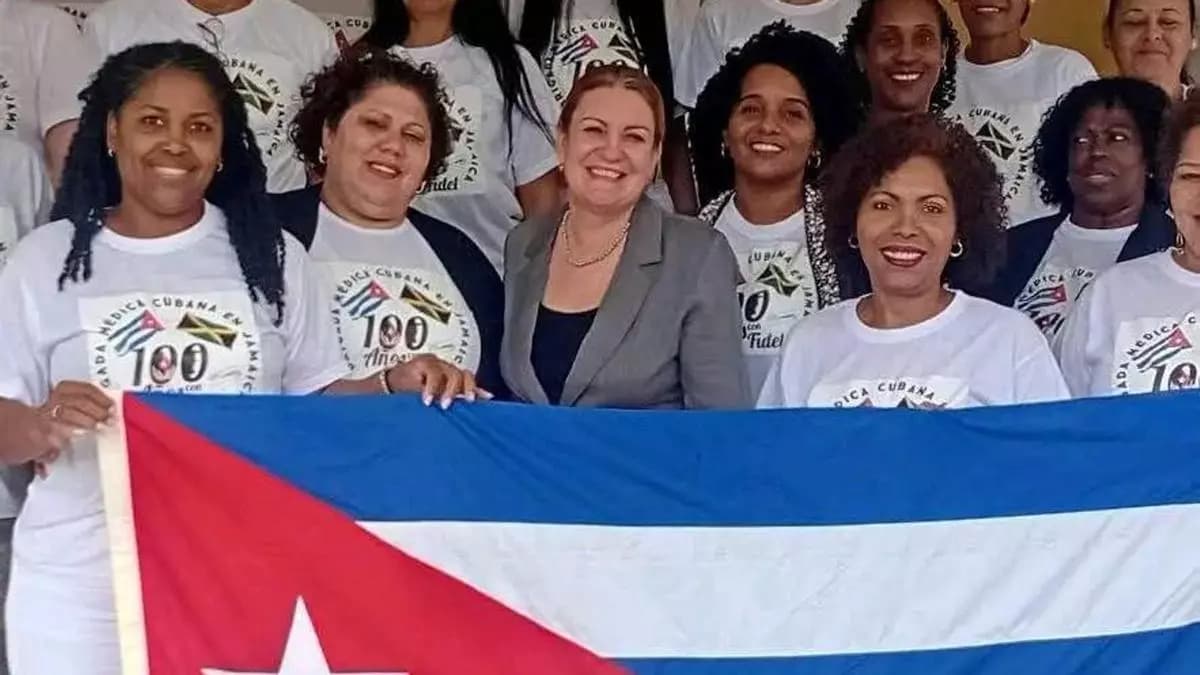
Cuba has moved to withdraw sizable contingents of its medical personnel from Jamaica and Guyana after months of stalled negotiations and mounting U.S. pressure.
“Cuban doctors to leave Guyana as US applies pressure over island’s medical missions GEORGETOWN, Guyana (AP) — Cuban officials are preparing to withdraw the nation’s medical brigade from Guyana after it moved to provide full salaries to doctors and nurses from the island instead of sending most of the payments to the Cuban government”
Jamaica’s foreign ministry says it began talks with Havana in July to restructure the bilateral medical agreement, but “received no response,” and that Havana “preferred the withdrawal of 277 doctors” rather than accept Kingston’s proposed terms.
Guyana’s health minister said Cuban authorities asked a brigade of “more than 200 doctors to prepare to leave.”
Associated Press reporting tied the Guyana withdrawal to a broader campaign of pressure from the Trump administration, while the Miami Herald noted the end of partnerships raised concerns about how countries that have “relied on Cuba’s health professionals for the past 50 years” will manage without them.
Jamaica's proposed terms
Jamaica says its proposed terms aimed to make the program compliant with Jamaican law and international norms by allowing doctors to retain passports and by changing payment flows to give doctors direct compensation, but it argues Havana did not engage.
Kingston’s statement said it raised passport and payment issues with Cuban authorities and the Passport, Immigration and Citizenship Agency after finding the doctors “were not carrying their passports.”
The statement emphasised that payments had been “made by Jamaica to the Cuban authorities in US dollars” with only overtime paid directly to doctors and “no contractual provision” specifying what portion should go to the personnel.
Guyana's response
Guyana’s government described the Cuban departure as initiated by Havana and said it would explore alternatives to fill the gap, including offering individual contracts to Cuban doctors who remain.
Guyana’s health minister told reporters the Cuban authorities chose to withdraw after nearly five decades of cooperation.
The Associated Press reported Guyana is prepared to hire Cuban personnel on individual contracts even as Cuba has been pulling teams elsewhere in the region.
U.S. pressure and responses
U.S. pressure featured centrally in multiple accounts: Jamaican officials acknowledged it influenced their decision to review accords after Washington labelled the missions a form of “forced labor,” and U.S. Secretary of State Marco Rubio publicly criticised the program.
Havana accused Jamaica’s government of succumbing to “the pressures of the government of the United States.”
U.S. actions against Cuba included visa revocations for officials and broader measures such as an oil blockade referenced by the Associated Press.
Regional impact
The developments have wider regional implications: Havana lamented that the unilateral Jamaican move disregarded three decades of cooperation and warned patients would lose services, citing cumulative figures for Jamaica’s programs.
“They preferred to withdraw rather than accept, says Jamaica The Jamaican Ministry of Foreign Affairs says it began approaching Cuba last July and has received no response”
Reporting noted several other Caribbean nations were reassessing or changing payment and contract arrangements for Cuban health workers.
Countries named as having modified or cancelled Cuban medical agreements include Honduras, Guatemala, Antigua and Barbuda, Dominica, Guyana, Saint Vincent and the Grenadines, and others that have expressed interest in contract changes.
More on South America
President Trump Offers Missiles to Latin America to Destroy Cartels
54 sources compared

US Restores Diplomatic Relations With Venezuela Months After Trump-Ordered Raid Captured Maduro
68 sources compared

Floods Kill 46, Displace Thousands, Bury Towns in Minas Gerais, Brazil
10 sources compared
Tarek William Saab Resigns as Venezuela Attorney General After U.S. Military Deposes Maduro
11 sources compared