
President Miguel Díaz-Canel Confirms Cuba-U.S. Talks as Vatican Mediates Prisoner Releases
Key Takeaways
- Díaz-Canel confirmed talks with United States to resolve bilateral differences.
- Vatican-mediated deal will release 51 prisoners.
- The prisoner release is part of ongoing Cuban-Vatican engagement amid tensions with the U.S.
Diplomatic Talks Confirmed
Cuban President Miguel Díaz-Canel confirmed on Friday, March 13, 2026, that his government has been holding recent talks with representatives of the United States.
This marked the first official acknowledgment of such diplomatic exchanges amid rising tensions between Washington and Havana.
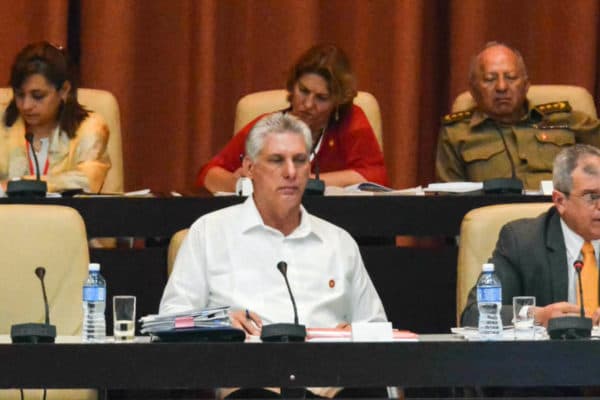
The announcement was made during a speech broadcast on national television before Cuba's top authorities, including members of the Political Bureau and the Secretariat of the Central Committee of the Cuban Communist Party (PCC).
The confirmation comes at a critical moment as Cuba faces severe internal crises while dealing with increased U.S. pressure for regime change.
The talks have reportedly been facilitated by international factors that Díaz-Canel did not specify.
Sources suggest they represent a significant diplomatic shift in relations between the two countries that have been strained for decades.
Energy Crisis Context
The diplomatic engagement occurs against a backdrop of Cuba's severe energy crisis, which the Cuban government attributes directly to a U.S. 'energy blockade' that has prevented fuel shipments from reaching the island for the past three months.
President Díaz-Canel emphasized that the impact of this blockade has been 'tremendous' and 'most brutally manifested in these energy issues,' causing widespread power outages and 'anguish among the population.'
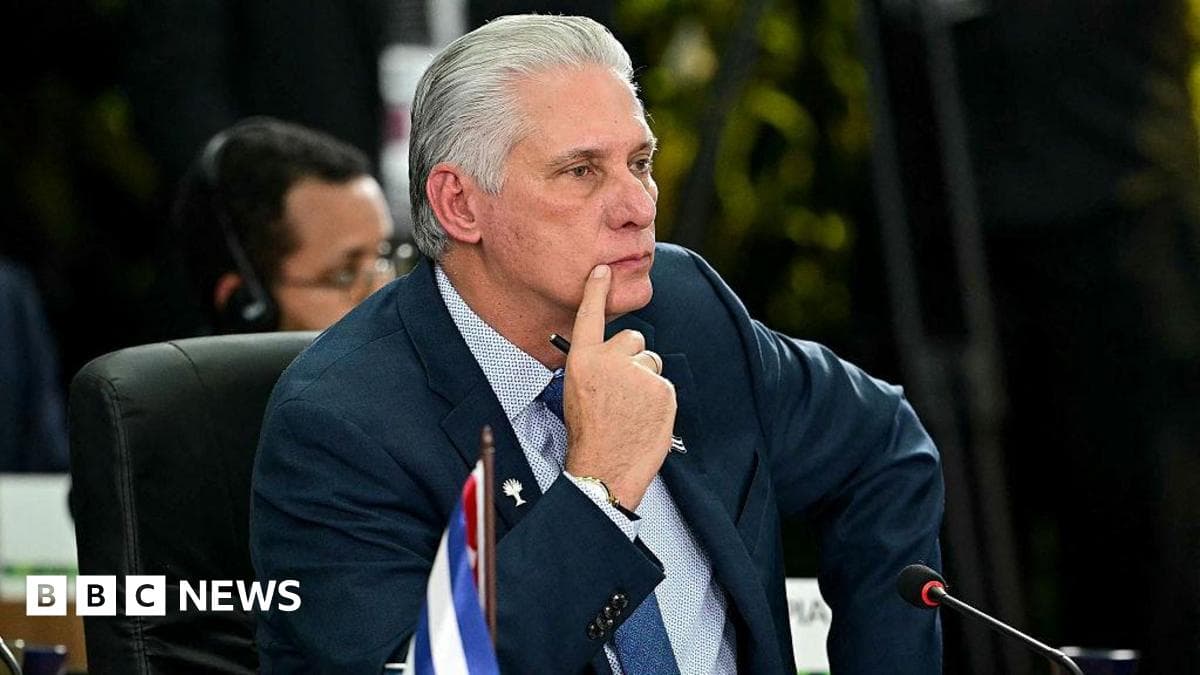
The energy shortage has severely affected basic services and the economy, with government officials noting that sanctions have also prevented Cuba from purchasing new equipment and specialized parts.
This economic hardship has contributed to the 'daily pots-and-pan protests in Havana' that Díaz-Canel referenced, as citizens struggle with the deteriorating conditions caused by what Cuba describes as a de facto oil embargo imposed by the United States.
Vatican Prisoner Release
Simultaneously with the confirmation of U.S. talks, Cuba announced plans to release 51 prisoners in the coming days under an agreement mediated by the Vatican, described as a gesture of 'goodwill' and 'close relations' between the Cuban state and the Holy See.
“Trump told reporters in Doral, Florida”
The Foreign Ministry statement emphasized that this decision reflects 'the close and fluid relations between the Cuban State and the Vatican with which communication has historically been maintained regarding the review and release of prisoners.'
All prisoners to be released have 'served a significant portion of their sentences and have maintained good conduct in prison,' according to the Cuban government, which framed the release as a 'sovereign practice' that 'no one imposes on us.'
The Vatican has historically played a crucial mediating role in Cuba-U.S. relations, including during the 2015 thaw in diplomatic ties, and this latest prisoner release follows a pattern of humanitarian gestures that have accompanied diplomatic rapprochement between the two nations.
Sovereignty vs Regime Change
President Díaz-Canel emphasized that Cuba approaches these talks with clear conditions, insisting that any dialogue must be conducted 'with respect for the political systems of both states, as well as for the sovereignty and self-determination of each nation.'
He stated that Cuba has expressed its willingness to advance in the dialogue process 'provided that conditions of equality and mutual respect are maintained.'

This stance comes as the Trump administration has intensified pressure on Cuba, with President Trump publicly stating that Cuba's communist regime is 'in its last moments of life' and predicting it 'is gonna fall pretty soon.'
Trump has also labeled Cuba as an 'exceptional threat' primarily due to its close ties with Russia, China, and Iran.
The contrasting positions highlight the fundamental challenges in any potential rapprochement: Cuba's insistence on maintaining its political system versus the U.S. administration's explicit goal of promoting regime change on the island.
Talk Objectives and Timing
The specific objectives of the Cuba-U.S. talks remain somewhat unclear, though Díaz-Canel outlined three main purposes: identifying the most urgent bilateral problems that require attention, determining whether there is real willingness from both sides to carry out actions, and exploring possible areas of cooperation that could benefit citizens of both nations.
“Authorities did not identify the inmates or specify the offenses for which they were jailed”
The Cuban president explained that the initial purpose of these contacts is 'to identify which bilateral problems need a solution based on how serious they are.'
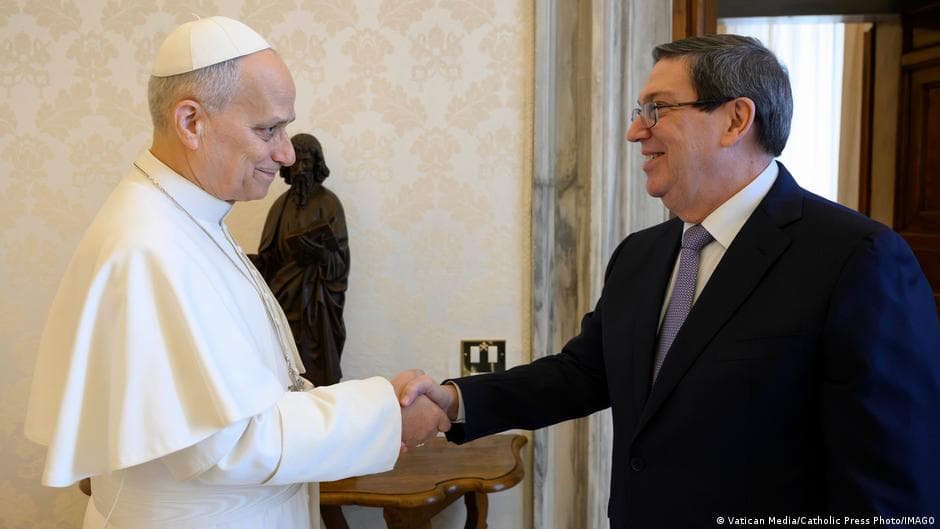
While no specific details about the content or interlocutors were provided, sources suggest that Raul Guillermo Rodriguez Castro, the grandson of former leader Raul Castro, may be acting as an interlocutor in these discussions, having been named by American media as the contact for U.S. diplomacy head Marco Rubio.
The timing of these developments is significant, coming just weeks after the U.S. captured Venezuelan President Nicolas Maduro, removing Cuba's most important foreign benefactor and intensifying the economic and diplomatic pressure on Havana.
More on USA

US Air Force KC-135 crashes in western Iraq, six airmen killed
29 sources compared

Judge James Boasberg Blocks DOJ Criminal Probe of Federal Reserve, Deems It Trump Pressure Campaign
15 sources compared

Pentagon Deploys Marines and USS Tripoli to Middle East After Iran Blocks Strait of Hormuz
22 sources compared
FBI Warns of Iranian Drone Plot Based on Unverified Tip; California Says No Credible Threat
10 sources compared