
Protesters in Cuba Attack Communist Party Office Over Blackouts
Key Takeaways
- Protesters attacked a Communist Party office in Morón amid blackouts worsened by a blockade.
- Five people arrested as interior ministry opens investigation.
- Protests began peacefully in Morón, escalated into vandalism amid energy shortages.
Protest Escalation
Anti-government protesters in central Cuba attacked a Communist Party office in the city of Morón during a rare outburst of public dissent triggered by worsening blackouts and food shortages.
“Hasta la Victoria siempre”
According to state-run newspaper Invasor, what began as a peaceful rally late Friday turned violent in the early hours of Saturday morning when protesters vandalized the Communist Party headquarters.

Videos on social media showed people throwing rocks through windows while chanting "liberty" and burning furniture from the building in the streets of Morón, located approximately 250-460 miles east of Havana near the tourist resort of Cayo Coco.
The Cuban Ministry of the Interior confirmed that at least five people were detained following the disturbances, while some sources reported one protester was wounded by police gunfire during the clashes.
Energy Crisis Roots
The protests were fueled by Cuba's severe energy crisis, which has been exacerbated by a US oil blockade following the capture of Venezuelan President Nicolas Maduro by US forces in January.
According to Cuban President Miguel Díaz-Canel, no petroleum shipments have arrived in Cuba in the past three months, forcing the island to rely on a mixture of natural gas, solar power, and thermoelectric plants.

The economic crisis has led to massive fuel shortages and prolonged power outages affecting hospitals, transportation, and daily life.
A Morón resident who spoke to AFP on condition of anonymity noted that hotels in the town have been shuttered amid the energy crisis, exacerbating residents' economic woes.
The situation reflects broader tensions in the region, with Trump openly expressing hopes for regime change and stating that Havana was on the verge of collapse.
Government Response
In response to the escalating crisis, Cuban President Miguel Díaz-Canel acknowledged people's discontent over the prolonged blackouts but condemned the violence, stating "What will never be comprehensible, justified or admitted is violence."
The Cuban government has opened an investigation into the vandalism, with state media outlet Vanguardia de Cuba dismissing reports of police gunfire injuries as "media manipulation seeks to sow fear and confusion among our people."
The Cuban government has confirmed it is conducting talks with Washington to diffuse the situation, marking the first time Havana has publicly acknowledged meetings with the Trump administration regarding the crisis.
This development comes amid Trump's pressure campaign against the Cuban regime, with the US President cutting off Venezuelan oil shipments to Cuba and threatening to slap tariffs on any country that sells oil to the island.
Broader Significance
The Morón protests represent an exceptionally rare instance of violent public dissent in Cuba, a country where public demonstrations are tightly controlled and often met with severe repression.
According to independent journalists and opposition-aligned media, the social eruption in Morón is not an isolated event, as Cuba has experienced an intermittent wave of protests since 2024 driven by food shortages, inflation, censorship, and massive blackouts.

For many analysts and members of the Cuban diaspora, these protests are another sign of the exhaustion of the communist model that has governed the island since 1959.
The energy crisis is directly linked to the island's fuel shortages, with the loss of support from allies such as Venezuela and the deterioration of the national electrical system drastically reducing generation capacity.
With each blackout, the moment when fear ceases to restrain discontent draws closer, as protesters' message in Morón made clear: "the crisis can no longer be hidden."
More on Protests

President Diaz-Canel Confirms Cuba-US Talks to Settle Bilateral Disputes
159 sources compared
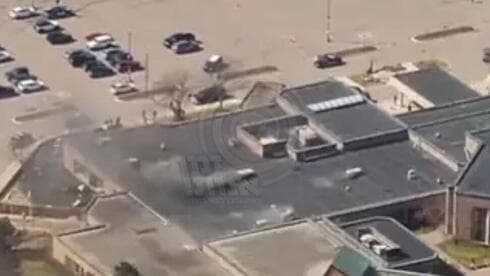
Naturalized US citizen Ayman Mohamad Ghazali rams vehicle into West Bloomfield synagogue, dies
129 sources compared

Artist Secret Handsake Installs Titanic-Pose Statue of President Trump With Jeffrey Epstein on National Mall
15 sources compared
ISIS-Inspired Suspects Throw Homemade Bombs at Mayor Zohran Mamdani's Residence; Two Charged
10 sources compared