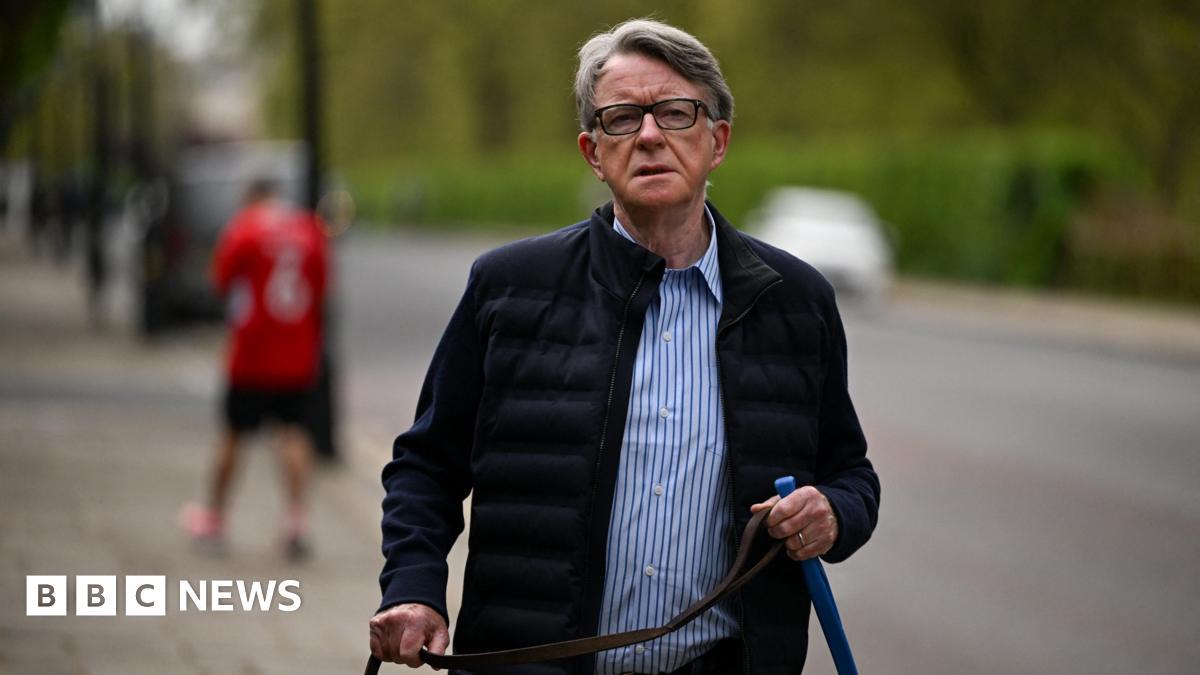
David Lammy Says Keir Starmer Would Have Blocked Peter Mandelson Over Failed Security Vetting
Key Takeaways
- Lammy says Starmer would have blocked Mandelson's US ambassador appointment due to vetting failure.
- Red flags in Mandelson's security vetting were not disclosed to Downing Street, per reports.
- Media coverage across BBC, CNN, Guardian, and Washington Post shows Starmer under pressure.
Mandelson vetting row
Britain’s political crisis over the appointment of Peter Mandelson as ambassador to the United States has intensified after Deputy Prime Minister David Lammy said Sir Keir Starmer would have blocked the role if he had known Mandelson failed security vetting.
Lammy told The Guardian, “I have absolutely no doubt at all, knowing the PM as I do, that if he had known that Peter Mandelson had not passed the vetting, he would never, ever have appointed him ambassador,” as the prime minister faced pressure over what Downing Street did or did not disclose.
The BBC said Starmer is due to answer questions about the scandal in Parliament on Monday, after the Foreign Office’s vetting red flags were not disclosed to Downing Street by the Foreign Office.
The BBC also reported that Starmer said he was only informed of the situation on Tuesday and called it “staggering” that he had not been told sooner that Mandelson failed security vetting.
In parallel, The Jerusalem Post described Lammy’s support for Starmer amid the row, noting that Starmer faced renewed pressure to resign after the government said vetting recommended Mandelson not be appointed.
The Independent framed the dispute as a credibility test, quoting Sir James Cleverly saying, “I cannot envisage a universe where someone senior in the Foreign Office wouldn’t have sat down with the foreign secretary and said something to warn about this.”
Timeline and vetting process
The dispute centers on when the security vetting outcome was known and how it moved through government channels before Mandelson’s appointment.
The BBC reported that Downing Street said red flags in the vetting process were not disclosed to them by the Foreign Office, and it said Starmer was only informed of the situation on Tuesday.
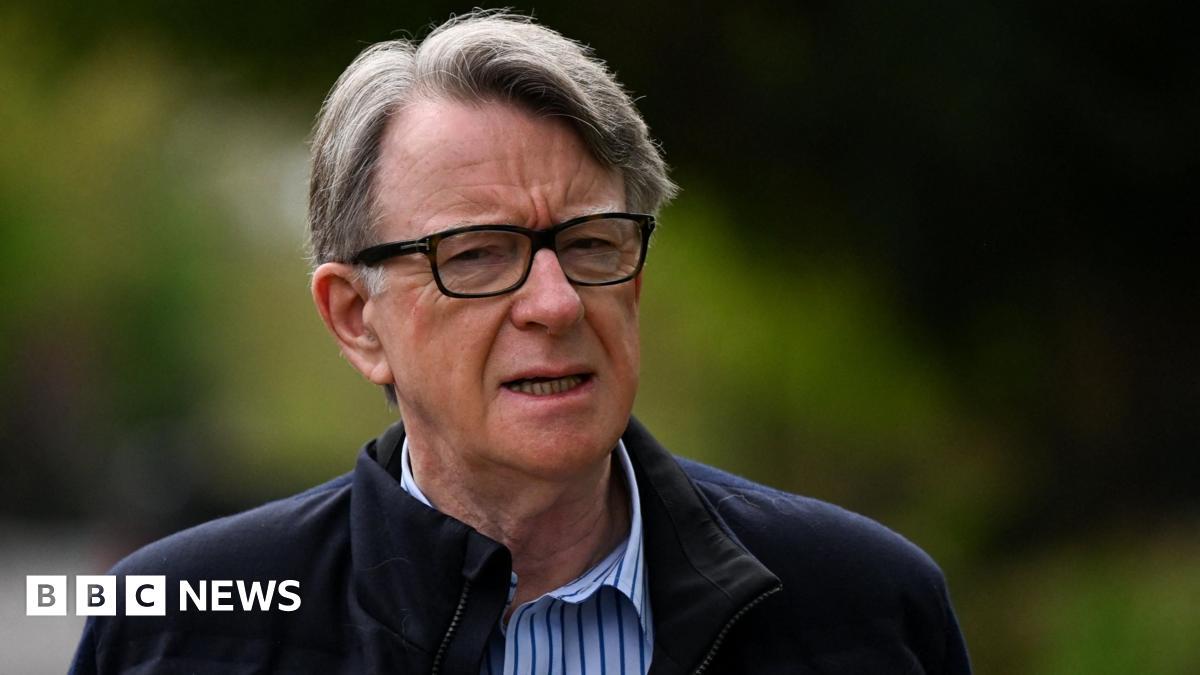
The BBC also said the security vetting process began after the former minister was picked to be the UK’s representative in Washington, and that the vetting report returned a “no” verdict on whether a security clearance granting access to sensitive government material should be given to Lord Mandelson.
It added that Mandelson formally took up the ambassador post in February 2025, before being removed last September when further details about his ties with convicted sex offender Jeffrey Epstein came to light.
The BBC further stated that Cabinet Secretary Antonia Romeo found out about Mandelson’s vetting failure in late March, but had to investigate the circumstances and legal implications before informing the prime minister.
The Guardian described Lammy’s account of “some time pressures” last January to confirm Mandelson in post as Donald Trump was re-entering the White House, saying Lammy recalled “There was a feeling that obviously Trump had won the election in November, he was moving into the White House, and it would be good if we had an ambassador.”
The Guardian also reported that Oliver Robbins received the vetting outcome after Starmer had already announced Mandelson’s appointment and, despite a separate due diligence process, flagged the reputational risk of sending him to Washington.
In the same reporting, The Guardian said Lammy insisted, “No. And let me just be absolutely clear, in the years in which I have been both in this government and the last government, I have never had any official talk to me about vetting, or the detail of vetting, so I would remember if this had ever been raised with me.”
Reactions from officials and critics
As the scandal unfolded, multiple figures offered sharply different readings of what should have happened and who should be held responsible.
The BBC quoted Lammy saying he was “surprised and shocked” by the departure of Sir Olly Robbins, the Foreign Office’s most senior civil servant who was ousted this week over the vetting row, and it said Lammy pointed out Sir Olly had only been in the job for a few weeks when the vetting report was returned.
The Guardian reported Lammy’s insistence that it was “inexplicable” that Oliver Robbins had opted to leave Downing Street in the dark over the outcome, and it included Lammy’s account of being summoned urgently by No 10 while on a military flight back from the Middle East.
The Guardian also quoted Liberal Democrat leader Ed Davey saying, “Keir Starmer needs to come clean and publish the initial due diligence report carried out on Peter Mandelson before he was appointed,” and it quoted Davey’s demand that “No more ministers hiding behind process and dragging their feet, the public deserve full transparency now.”
The BBC reported that Dame Emily Thornberry said new revelations have “called into question” evidence Sir Olly gave to MPs in November, and it said Thornberry’s committee asked for a review of information given to MPs to ensure it was “fully accurate.”
The Independent added a different line of attack, quoting Sir James Cleverly saying it was “inconceivable” that Starmer and Lammy were not told, and it described former civil servants claiming Sir Olly Robbins was “thrown under a bus.”
The Independent also reported that Simon McDonald told Radio 4’s Today programme that Sir Olly had been “thrown under a bus” and described him as a “scalp.”
Meanwhile, the BBC reported that Kemi Badenoch accused Starmer of letting others take the fall while he clings to power, writing, “This is not just a political failure. It is a moral one. He has put our national security at risk... he should resign,” and it said Liberal Democrats leader Sir Ed Davey called for an investigation by the Privileges Committee.
How outlets frame the same dispute
While all the articles describe the Mandelson vetting controversy, they frame its meaning differently—especially around whether the prime minister misled Parliament and whether the Foreign Office leadership was scapegoated.
The BBC emphasizes procedural breakdowns, saying Downing Street faced pressure after it emerged that red flags in the vetting process were not disclosed to them by the Foreign Office, and it reports that opposition parties called on the prime minister to resign for allegedly misleading Parliament.
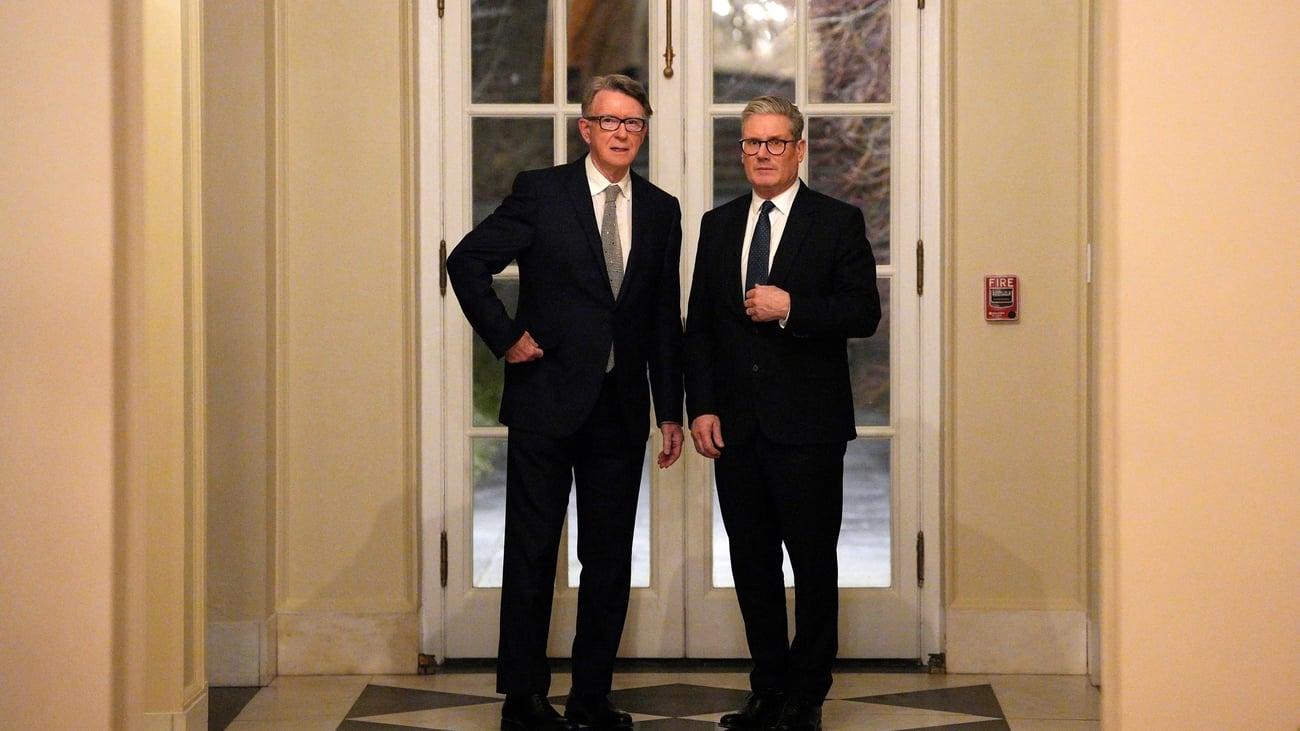
The Guardian focuses on Lammy’s attempt to shore up Starmer, centering on Lammy’s claim that it was “inexplicable” that Robbins left Downing Street in the dark and on Lammy’s account of “some time pressures” last January tied to Donald Trump’s return to the White House.
The Independent highlights doubts about Starmer’s version of events and uses the metaphor of being “thrown under a bus,” quoting Sir James Cleverly and Simon McDonald to argue that it is “just not credible” that senior officials did not warn the prime minister.
The Jerusalem Post, by contrast, foregrounds Lammy’s support for Starmer and describes the row as one that “has brought the British leader's judgment into question,” while also noting that senior members of his own Labor Party have not publicly criticized him.
The BBC also reports that Sir Olly is expected to be questioned by the Foreign Affairs Committee again on Tuesday, and it says BBC News understands Robbins has not formally accepted the committee’s invitation to give evidence.
The Guardian reports that the foreign affairs committee published correspondence from Yvette Cooper to Emily Thornberry requiring a full review of information given to the committee on the security vetting process.
In the Independent, the narrative shifts toward internal credibility and documentary trails, including a letter sent by Sir Olly in July last year to shadow Tory minister Richard Holden stating that Lord Mandelson “was directly appointed by ministers,” and it argues that “has left a trail of crumbs back to who was really responsible.”
What happens next
The immediate next steps in Britain’s Mandelson vetting scandal are tied to Parliament, committee hearings, and promised reviews of what officials told MPs.
The BBC said Starmer is due to answer questions about the scandal in Parliament on Monday, and it reported that Sir Olly is expected to be questioned by the Foreign Affairs Committee again on Tuesday.
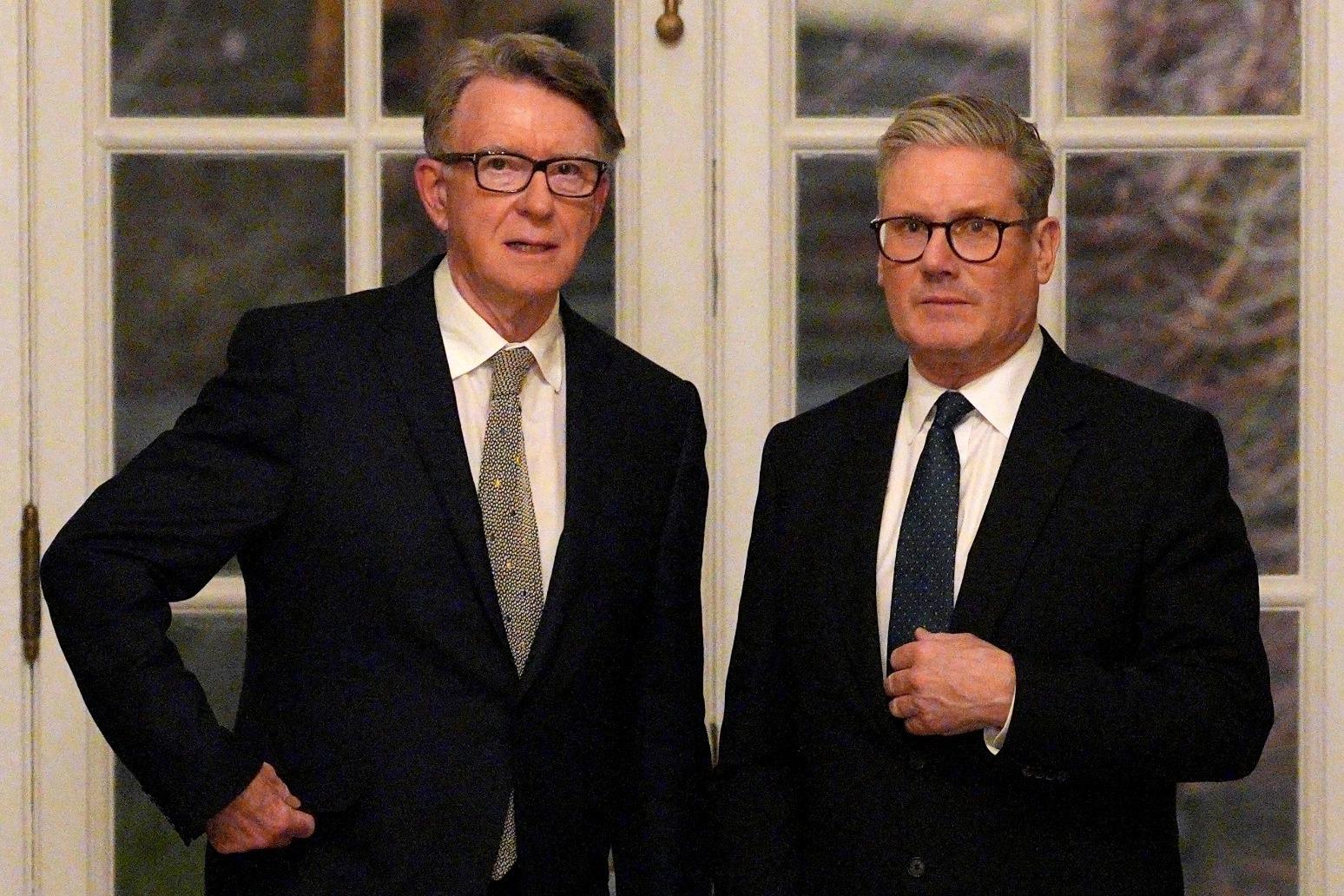
The BBC also said Yvette Cooper confirmed Mandelson’s vetting was made a “priority clearance” while insisting full checks were still carried out despite the process being fast-tracked, and it reported that Cooper told the committee she had asked for a review of the information given to MPs by officials to ensure it was “fully accurate.”
The Guardian reported that Starmer promised full disclosure in a statement in parliament on Monday afternoon, and it said Lammy’s comments came ahead of that statement.
The Guardian also quoted Ed Davey demanding transparency and said the foreign affairs committee published correspondence from Yvette Cooper requiring a full review of all information given to the committee on the security vetting process.
The Independent described Tuesday’s hearing as “judgement day” for Sir Keir and said former colleagues expected Sir Olly to emphasize that the appointment was a ministerial decision pushed through by Downing Street.
The BBC added that BBC News understands Robbins has not formally accepted the committee’s invitation to give evidence, but friends said he was preparing to appear on Tuesday.
Beyond the hearings, the BBC reported that Liberal Democrats leader Sir Ed Davey called for an investigation by the Privileges Committee into whether the prime minister intentionally misled Parliament, while the SNP, Green Party and Reform UK have also called for Sir Keir to resign.
More on Britain

Home Office Investigates BBC Reported False Asylum Claims About Being Gay Or Domestic Abuse
23 sources compared

Met Police Investigate 11 Officers Over Wimbledon Crash Killing Two Girls
13 sources compared

Southport Inquiry Finds Parents And Authorities Failed To Prevent Knife Attack Killing Three Girls
19 sources compared
UK Labour Government Prepares Bill to Align Regulations With EU Despite Opposition
15 sources compared