Britain12 April, 20262 min read
UK Labour Government Prepares Bill to Align Regulations With EU Despite Opposition
This article is an automated aggregation of coverage from news outlets. Our editorials offer in-depth analysis curated by the NewsCord team.
UK plans dynamic alignment with EU single market rules in food standards, ETS, electricity. A primary bill would authorize the alignment; some technical changes via secondary legislation.
Starmer's Brexit Reset
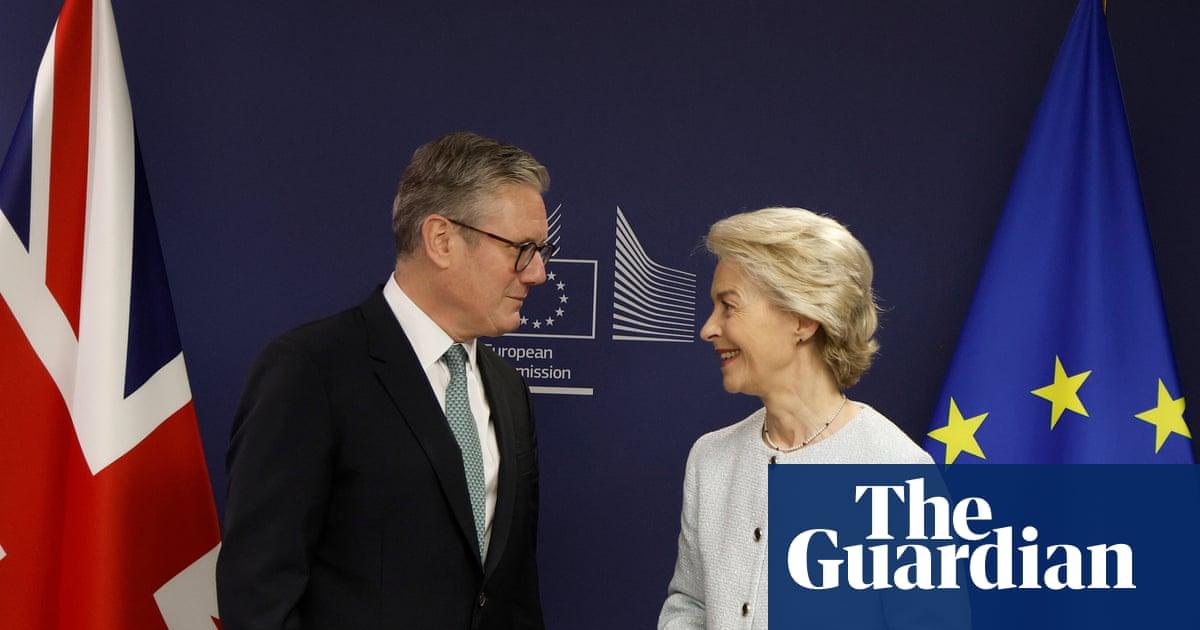
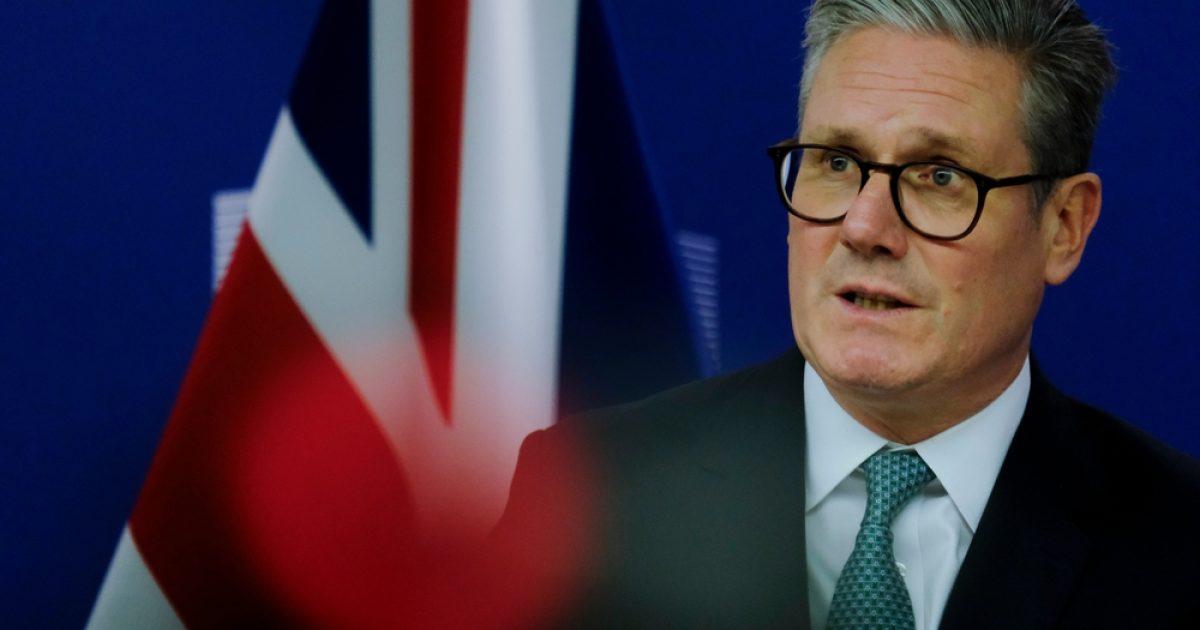
Prime Minister Keir Starmer's Labour government is preparing to reopen the Brexit debate with a bill aimed at framing a framework for closer regulatory alignment with the European Union. The bill would implement dynamic alignment with the EU, allowing the UK to follow evolving single market rules in areas where agreements have already been made. The Guardian reported ministers are bracing to face down opposition from those who scream treason.
The bill would use Henry VIII powers to allow ministers to approve laws without full scrutiny from parliament using secondary legislation. Starmer has drawn red lines, rejecting any return to free movement, to the customs union and to the single market.
Parliamentary Process and Opposition
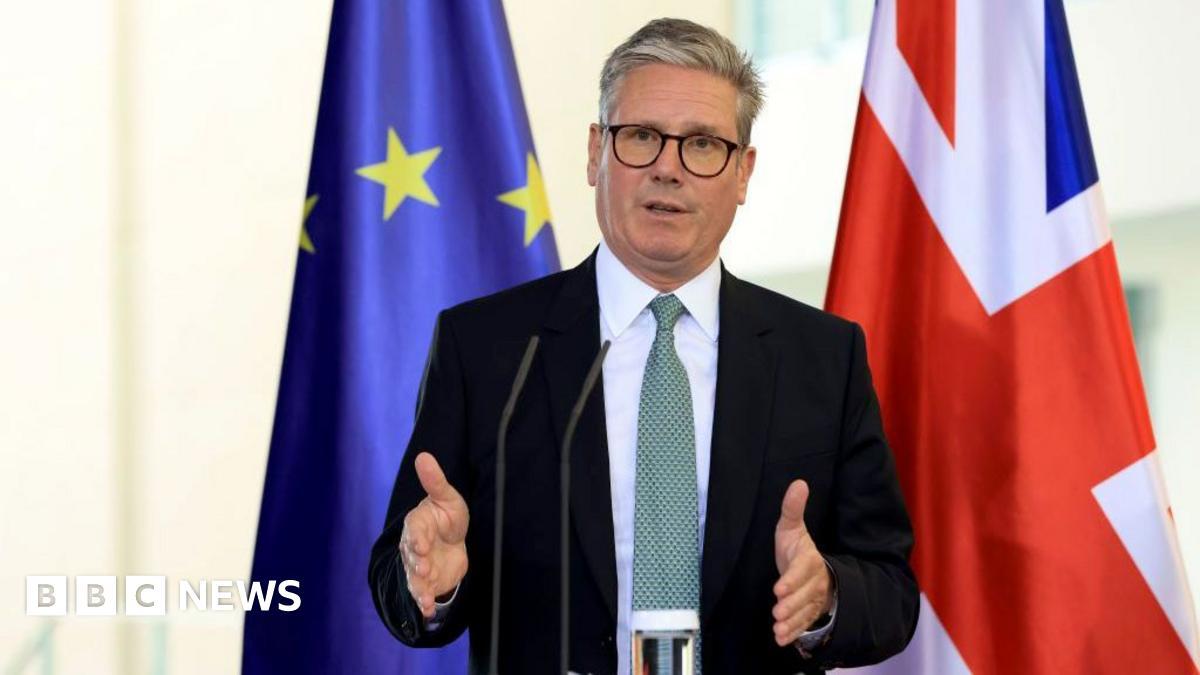
Starmer confirmed that the proposed dynamic alignment with EU rules will require a primary bill approved by Parliament. Some technical changes may follow via secondary legislation. The introduction of sweeping powers is likely to put the government on a collision course with opposition parties.
Conservative Andrew Griffith said the move would reduce parliament to a spectator while Brussels sets the terms. Reform UK's Nigel Farage called it a direct betrayal of the Brexit referendum.
Internal Labour Debate
Within Labour, some would like to go further. Health Secretary Wes Streeting said the best way to boost the economy's growth is to deepen trade ties with the EU. Starmer has repeatedly rejected calls for closer alignment.
The Liberal Democrats have argued in favor of joining the customs union, but they poll at only 3%. Returning to the customs union would undermine the trade deals London has signed with other countries.
Brussels' Anti-Farage Shield
Brussels has activated a legal architecture designed to make any future rupture so costly that it becomes politically unviable. The EU is treating Brexit as a systemic risk. The UK would have to pay a permanent financial contribution to participate in the European border-control system.
If a future British government breaches the agreement, it must pay all costs arising from rebuilding the borders. The clause exists to deter Nigel Farage.