USA19 April, 20267 min read
DOJ Civil Rights Chief Harmeet Dhillon Demands Wayne County 2024 Ballots From Cathy Garrett
This article is an automated aggregation of coverage from news outlets. Our editorials offer in-depth analysis curated by the NewsCord team.
DOJ led by Harmeet Dhillon demanded Wayne County's 2024 November ballots and related records. Michigan AG Dana Nessel, Governor Gretchen Whitmer, and SOS Jocelyn Benson rejected the request.

DOJ seeks Detroit-area ballots
The U.S. Department of Justice demanded that Michigan officials turn over Detroit-area election materials from the 2024 election, setting off a legal and political standoff centered on Wayne County.
In a letter sent Tuesday, DOJ civil rights chief Harmeet Dhillon asked the clerk who oversees elections in Wayne County to “turn over all ballots, ballot receipts and ballot envelopes from the 2024 election within two weeks,” according to CNN’s account.
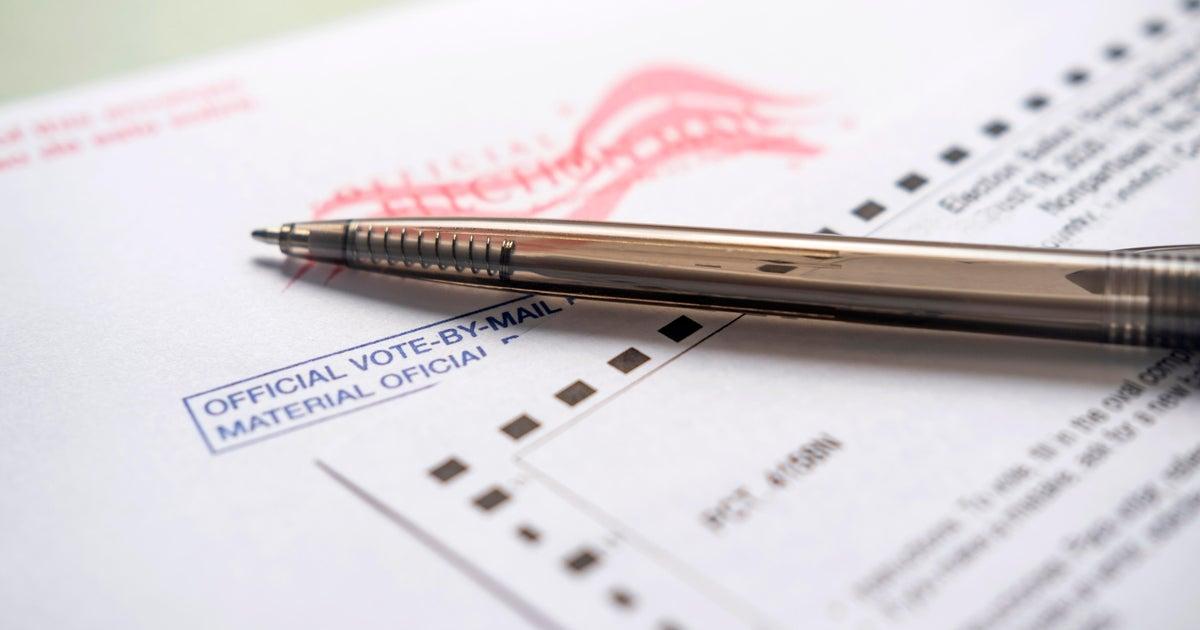
The request targeted Wayne County, described as “Michigan’s most populous,” and came as part of a broader effort to probe elections in states that President Donald Trump “falsely claims he won in 2020,” CNN said.
Michigan Attorney General Dana Nessel responded on Friday by calling Trump and his allies’ claims of widespread voter fraud “baseless” and warning that state leaders stand “ready to defend against these claims and any attempt to interfere in Michigan’s elections.”
CNN also reported that federal prosecutors want to ensure that ballots from the last presidential election are legally valid because of Wayne County’s “history,” as Dhillon explained.
CBS News added that Dhillon’s letter requested election records including “all ballots, envelopes and receipts,” and that she gave the clerk’s office “14 days to respond.”
The Detroit News reported that Dhillon sent a letter Tuesday to Wayne County Clerk Cathy Garrett demanding the records be released to the federal government, and it quoted Dhillon’s warning that “Failure to timely produce the requested records may result in the United States seeking a court order for production of such records.”
Why DOJ says it needs them
DOJ’s demand was framed as an effort to ensure federal election laws were not violated in the November 2024 federal election, while the Michigan officials who received the request argued the basis was tied to rejected 2020 allegations. CBS News reported that Dhillon wrote the documents were needed “that the foregoing federal election laws were not violated in the November 2024 federal election,” and it said the letter referenced three individual cases “not from the 2024 election” involving “forged signatures and impersonating another to vote.” The same CBS account said the letter also referenced a lawsuit alleging election fraud in 2020 at the then-TCF Center, but that state officials said a Wayne County judge later dismissed the lawsuit.
CNN described the DOJ rationale as wanting to ensure ballots from the last presidential election are legally valid because of Wayne County’s “history,” and it said Dhillon explained that federal prosecutors want legal validity due to that “history.” CNN further reported that “several of her allegations of voter fraud in the 2020 election stem from a Michigan case that courts repeatedly rejected,” describing it as an “epicenter of conspiracy theories” tied to operations at Detroit’s downtown ballot-counting center.

The Detroit News said the DOJ’s letter cited a “history of fraud convictions” and “other allegations concerning the election procedures in Wayne County,” and it noted that none of the three individual election fraud cases cited were from the 2024 election. In response, Michigan officials argued the request was too broad and based on “speculative evidence of election fraud,” with CNN quoting Nessel’s letter that “speculative evidence of election fraud” does not meet the standard required to compel states to hand over ballots and that it is “too broad in scope.”
State leaders reject the demand
Michigan’s top election and law enforcement officials publicly rejected the DOJ request and characterized it as federal interference.
CNN reported that Nessel called Trump and his allies’ claims of widespread voter fraud “baseless” and warned that state leaders stand “ready to defend against these claims and any attempt to interfere in Michigan’s elections.”
CBS News quoted Nessel saying, “Once again, President Trump is weaponizing the Justice Department in an attempt to sabotage our democratic process and turn it into his own personal agency to interfere in state elections. This request is as absurd as it is baseless,” and it reported that Gov. Gretchen Whitmer said, “Michigan's elections are safe and secure, and any attempt to suggest otherwise is an attempt to take away Michiganders' constitutional right to vote.”
CBS News also quoted Secretary of State Jocelyn Benson saying, “This demand is a poorly disguised attempt to justify more doubt and misinformation about our elections as well as direct federal interference.”
MLive similarly described a joint condemnation by Nessel, Whitmer, and Benson and said the DOJ letter to Wayne County Clerk Cathy M. Garrett “threatens a court order if the county does not comply.”
The Detroit News reported that Nessel vowed to fight against “any attempt to interfere in Michigan’s elections,” and it said the DOJ spokesperson declined comment beyond what the Dhillon letter said.
In Democracy Docket’s account, Nessel and Benson wrote in a Detroit Free Press op-ed that the ballot demand is “about a weaponized DOJ trying to please a president who doesn’t want to be held accountable at the ballot box by voters tired of the chaos of his administration,” and it added that it is also about “the upcoming elections in November and in 2028.”
How outlets frame the same fight
While the underlying dispute is consistent across coverage, the outlets emphasize different aspects of the same DOJ demand and the state response. CNN and KTEN both describe the DOJ request as part of “the Trump administration’s efforts to probe elections in states that the president falsely claims he won in 2020,” and both highlight Nessel’s rejection of the request as “baseless” and her warning that state leaders are “ready to defend against these claims and any attempt to interfere in Michigan’s elections.” The Washington Post frames the move as “a highly unusual move” and says it comes “shortly after prosecutors seized 2020 ballots in Georgia and obtained 2020 election records in Arizona,” describing it as part of a “sweeping effort” to scrutinize elections and to “scrutinize elections that has cast doubt on how they are run.”
Politico adds a different tone by focusing on escalation and future consequences, reporting that FBI Director Kash Patel promised Sunday that the Justice Department will soon make arrests related to the 2020 election, saying, “We’ve got all the information we need, we’re working with our prosecutors at the Department of Justice under [acting] Attorney General Todd Blanche, and we are going to be making arrests, and it’s coming, and I promise you, it’s coming soon.” The Detroit News emphasizes the political timing and local stakes, saying the revelation came “on the day of the Michigan Democratic Party's convention in Detroit and less than 200 days before the midterm election,” and it also reports that in the 2024 election “864,767 ballots were cast in Wayne County.”

MLive and WLNS both stress the threat of a court order and the officials’ characterization of the demand as “a poorly disguised attempt to justify more doubt and misinformation about our elections as well as direct federal interference.” Democracy Docket, meanwhile, highlights the legal basis and the Civil Rights Act of 1960 language, stating that Dhillon invoked the Civil Rights Act of 1960 and wrote it authorized her “to investigate and prosecute individuals who may have registered to vote or voted in violation” of federal laws.
What happens next
The next steps described in the reporting revolve around deadlines, possible court action, and the broader DOJ posture toward election records in multiple states. CBS News reported that Dhillon gave the clerk’s office “14 days to respond,” and it quoted Dhillon warning that “Failure to timely produce the requested records may result in the United States seeking a court order for production of such records.” CNN similarly said Dhillon asked that the ballots be produced within two weeks, and it reported that the Justice Department might sue to get them if they are not, citing The Washington Post’s account of the demand.
The Detroit News added that Dhillon gave Garrett 14 days to produce the records, while also reporting that Nessel said the ballots are actually in the possession of “43 local clerks in Wayne County, not Garrett.” Politico reported that the DOJ has “sued more than two dozen states in recent months demanding access to their unredacted voter rolls,” and it said the department also sought records related to the 2020 election from two counties in Arizona and Georgia that were at the heart of debunked conspiracy theories.

CNN and KTEN both referenced the FBI seizure of 2020 ballots from a Fulton County, Georgia elections center in January, and CNN reported that a lawyer for Fulton County warned a federal judge last month that scrutinizing the criminal search warrant could prevent the Trump administration from seizing ballots “in the midst of an election in the future.” In Michigan, the state officials’ stated position is to resist compliance, with Democracy Docket quoting their response that “The courts, our officials, and our legislature have all determined that these theories are baseless,” and it said Michigan “stands ready to defend against these claims and any attempt to interfere in Michigan’s elections.”