USA23 April, 20268 min read
DOJ Inspector General Probes Justice Department Compliance With Epstein Files Transparency Act
DOJ inspector general to audit compliance with Epstein Files Transparency Act. Review will evaluate identifying, redacting, and releasing Epstein-related records in DOJ possession.

DOJ Watchdog Opens Audit
The U.S. Department of Justice’s internal watchdog is launching an investigation into whether the federal government complied with the Epstein Files Transparency Act, a law requiring the release of files related to convicted sex offender Jeffrey Epstein.
The Office of Inspector General said its probe will evaluate “the DOJ’s processes for identifying, redacting, and releasing records in its possession as required by the” act, and it will also examine “identification, collection, and production of responsive material.”

The audit’s scope includes “guidance and processes for redacting and withholding material consistent with the requirements” in the law, and it will consider “addressing other issues that may arise during the course of the audit” if circumstances warrant.
The act mandated that the Department of Justice release all unclassified records related to Epstein in its possession, with redactions limited to what is necessary to protect victims and classified information, and it required the files to be “easily downloadable and searchable.”
The law also set a deadline, stipulating that the Department of Justice had 30 days to comply, and it states, “No record shall be withheld, delayed, or redacted on the basis of embarrassment, reputational harm, or political sensitivity.”
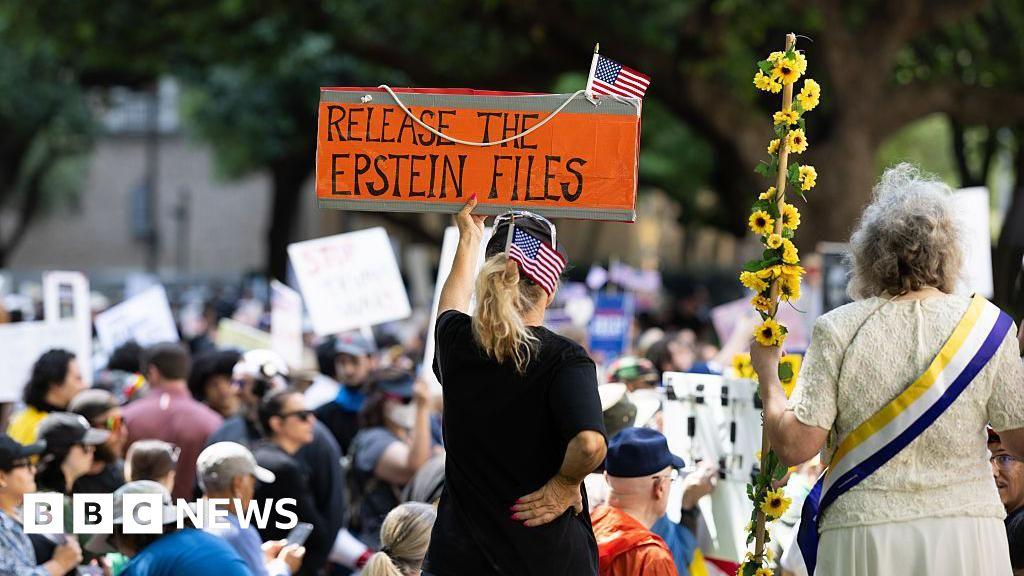
The watchdog’s announcement comes amid months of bipartisan criticism over how the files were released and over the millions of pages that were not made public.
“Our primary objective is to evaluate the DOJ’s processes for identifying, redacting, and releasing records in its possession as required by the act,” the office said in a statement, framing the review as an audit of compliance rather than a new disclosure effort.
Deadline Missed, Files Pulled
The audit is taking shape after the Justice Department faced criticism that it missed the act’s compliance window and later altered what was publicly available. The BBC reported that the law required the Justice Department to release all files related to Epstein and his jailed co-conspirator Ghislaine Maxwell within 30 days, and it said the agency released files in intermittent batches while critics argued millions of other files had not been made public. The BBC added that some files were later taken offline due to privacy complaints from survivors, leaving roughly 2.7m still publicly available, according to an analysis by CBS News, the BBC’s US partner.
CBS News described a timeline in which the Justice Department published an initial batch of files within 30 days of the bill being signed, but that release did not encompass the full scope of material covered by the statute. CBS News also reported that days later the department released “a massive tranche of more than 11,000 files, totaling nearly 30,000 pages of photos, court records, emails, news clippings, videos and other material.” CBS News further said that after the rolling release, survivors and members of Congress called for an independent review, and it reported that the review found the Justice Department had taken down more than 47,000 files comprising about 65,500 pages, with links returning a “page not found” error.
In response to the criticism, CBS News quoted then-Deputy Attorney General Todd Blanche saying, “I can assure that we complied with the statute, we complied with the act and we did not protect President Trump.” Blanche also told NBC News that it was “horrible” and “inexcusable” that identifying details were made public, while NBC News reported that the watchdog review will focus on identification, collection, redaction guidance, and post-publication concerns.
Officials, Survivors, Lawmakers
The watchdog’s audit is unfolding against a backdrop of sharply divided statements from Justice Department leadership, lawmakers, and survivors who say the release process exposed them.
NBC News reported that acting attorney general Todd Blanche told the network that the case “remained open in the U.S.” and encouraged victims to come forward if they had information that could help bring additional charges, while also describing identifying details exposure as “horrible” and “inexcusable.”
Fox News reported Blanche’s insistence that the department had already released everything, quoting him saying, “No, we have released everything,” and adding, “We are not sitting on a single piece of paper, nothing that should be released.”
In the same Fox News account, Blanche said, “If we didn’t release it, it’s because it was not responsive to the law,” and he pushed back on the idea that more materials should be released.
On the congressional side, BBC reported that Republican Representative Thomas Massie told the BBC that he was angry about the lack of prosecutions, saying, “Men need to be perp-walked in handcuffs to the jail, and until we see that here in this country... we don't have a system of justice that's working.”
The BBC also quoted Annie Farmer, a survivor, criticizing a report that some lawmakers on the House Oversight Committee would endorse a pardon for Maxwell, saying, “A pardon is profoundly insulting and a deep betrayal. In the clearest terms possible, this move would be detrimental to survivors.”
Farmer added, “We ask the Department of Justice to permanently close the door on any pardon or commutation for Maxwell and instead open the door on a criminal investigation into the enablers of Jeffrey Epstein and Maxwell's abuse.”
Meanwhile, the Democratic Women’s Caucus framed the audit as a response to mishandling, with Chair Teresa Leger Fernández saying the DWC demanded the OIG launch an investigation because the DOJ “has completely mishandled the release of the Epstein files.”
She also argued, “To this day, there are millions of files that have not been released,” and said, “If there are no consequences to breaking the law, then the law is not of any consequence.”
How Outlets Frame the Same Audit
While the audit’s stated purpose is consistent across coverage, outlets emphasize different angles: process compliance, privacy harm, and political accountability. The BBC described the watchdog’s review as examining “identification, collection, and production of responsive material” and “guidance and processes for redacting and withholding material,” while also noting that the Justice Department had released “over three million files” through its online database and that some were taken offline. CBS News similarly focused on the watchdog’s evaluation of “processes for identifying, redacting, and releasing records,” but it added detailed figures about the release and takedown of documents, including “more than 47,000 files” removed and “about 65,500 pages.”
The Washington Post framed the audit as “one of the most high-profile actions taken by the Justice Department’s inspector general since the start of President Donald Trump’s second term,” and it connected the probe to earlier backlash after Pam Bondi’s transparency promises and the subsequent passage of the act in November. Fox News, by contrast, emphasized the investigation as “Epstein fallout grows as DOJ watchdog digs deeper into handling of the case,” and it highlighted Blanche’s defense that the DOJ had released “all the files with respect to the Epstein saga.” Al Jazeera’s account foregrounded the legal text and the question of whether the administration complied, quoting the act’s requirement that “No record shall be withheld, delayed, or redacted on the basis of embarrassment, reputational harm, or political sensitivity.”

The Guardian’s framing centered on the scrutiny facing the Justice Department over the extent of redactions and the exposure of victims’ personal information, stating that the department “failed to comply with the act’s 19 December deadline” and that victims complained their sensitive personal information was improperly exposed. Even within the same audit announcement, the outlets differ in what they treat as the key controversy: BBC and CBS News stress the mechanics of redaction and production, while The Washington Post and Fox News stress the political and leadership context around Bondi’s firing and Blanche’s role. The result is that the same watchdog audit is presented as either a compliance check, a privacy-and-disclosure reckoning, or a political accountability moment tied to Trump’s second term.
What Happens Next
The audit’s launch is tied to potential legal and political consequences, with lawmakers and survivors pressing for accountability and for the Justice Department to finish what they say remains undisclosed. Al Jazeera reported that there could be legal ramifications if the administration is found to have failed to comply with the Epstein Files Transparency Act, and it quoted Republican Representative Thomas Massie warning the interim attorney general, Todd Blanche, that he needed to fulfil the act’s mandate within a month. Massie’s warning included the statement, “Congratulations AG Blanche,” followed by, “Now you have 30 days to release the rest of the files before becoming criminally liable for failure to comply with the Epstein Files Transparency Act.”
“Now you have 30 days to release the rest of the files before becoming criminally liable for failure to comply with the Epstein Files Transparency Act.”
The BBC reported that two congressmen who played a prominent role in pushing for the Epstein law, Democrat Ro Khanna and Republican Thomas Massie, were pushing for the inspector general’s independent review, and it described ongoing frustration over prosecutions and over the pace and scope of releases. The Democratic Women’s Caucus said the OIG’s investigation is “a critical step to hold the Department accountable for its egregious mishandling of the files release and to move survivors closer to long-overdue justice,” and it vowed, “We will keep fighting for justice, accountability, and transparency.” The DWC also said its request followed a January letter signed by 67 members led by Policy Task Force Co-Chairs Deborah Ross and Sydney Kamlager-Dove, and it stated that the OIG notified the DWC on April 23, 2026 that it would investigate.
In the same DWC account, the group argued that “Over four months after the deadline required by the Epstein Files Transparency Act, the DOJ has still failed to finish releasing the Epstein files,” while also citing Blanche’s claim that the investigation is “over.” Meanwhile, the CBS News account said the watchdog office will issue a public report with the audit's results once the review is complete, and it described the review as already finding that tens of thousands of files had been taken down. NBC News reported that the watchdog will publish a public report, though the timeline was unclear, and it said the review will also look at the process for addressing concerns after publication.