
Cesar Chavez Faces Sexual Abuse Allegations in New York Times Report
Key Takeaways
- NYTimes report alleges Chavez sexually abused women; Dolores Huerta says he raped her in 1966.
- Allegations include sexual abuse of minors and women, per The New York Times report.
- Public celebrations and commemorations are being canceled, renamed, or reconsidered as leaders respond.
NYT Investigation Reveals Abuse Pattern
A groundbreaking investigation by The New York Times published on March 18, 2026, revealed that Cesar Chavez, the iconic farmworker labor leader, engaged in sexual abuse and misconduct against multiple women and minors during his leadership of the United Farm Workers movement.
The investigation, based on interviews with over 60 people including former aides, family members, and victims, found that Chavez groomed and sexually abused young girls who worked within the movement, with allegations spanning from the 1960s to 1970s.
The report detailed how Chavez used his position of power and charisma to manipulate vulnerable individuals, creating a pattern of predatory behavior that had remained hidden for decades despite internal knowledge within the organization.
The investigation also found corroborating evidence through union records, confidential emails, and photographs that documented the abuse allegations.
Huerta and Minor Victims Testify
The most shocking revelation came from Dolores Huerta, Chavez's longtime collaborator and co-founder of the United Farm Workers, who publicly disclosed that she was sexually assaulted by Chavez on two separate occasions in the 1960s.
Huerta, now 96 years old, stated that the first encounter involved manipulation and pressure in a power-imbalanced relationship, while the second was outright rape.
Both assaults resulted in pregnancies that Huerta kept secret for 60 years, arranging for the children to be raised by other families.
The investigation also detailed accounts from two underage victims - Ana Murguia, who was repeatedly abused starting at age 13, and Debra Rojas, who was first molested at age 12 and raped at 15.
These women described how Chavez used his position as movement leader to groom and control them, creating an environment where they felt unable to report the abuse due to fear of damaging the farmworker movement they were dedicated to supporting.
Institutional Response and Cancellations
The allegations triggered immediate institutional responses, with the United Farm Workers union and César Chávez Foundation both issuing statements acknowledging the 'deeply troubling' and 'shocking' nature of the claims.
“He married Helen Fabela in 1948 and they had eight children between 1949 and 1958, according to a California state biography”
The UFW announced it would not participate in any César Chávez Day celebrations scheduled for March 31, describing the allegations as incompatible with the organization's core values of justice and empowerment.
The César Chávez Foundation, which preserves Chavez's legacy and operates educational programs, expressed being 'deeply shocked and saddened' by the allegations and pledged to work with farmworker movement leaders to support potential victims.
These responses came just days before the holiday, leading to cancellations of Chavez Day events across multiple states including California, Texas, Arizona, and cities like San Francisco, Los Angeles, and San Antonio.
The rapid institutional distancing reflected the gravity of the allegations and the organization's commitment to addressing the harm while navigating the complex legacy of their founder.
Community Reactions and Legacy Debate
The revelations have sparked widespread community reactions and intense debate about how to reconcile Chavez's historical contributions with the serious abuse allegations.
Latino advocacy organizations including Voto Latino and LULAC issued strong condemnations of the abuse while emphasizing that the farmworker movement was built by thousands of individuals and should not be erased by one person's actions.

Political leaders across the spectrum responded, with California Governor Gavin Newsom stating the movement was 'much bigger than one man' and expressing openness to renaming César Chávez Day.
Democratic leaders like Senator Alex Padilla and Congresswoman Karen Bass called for accountability while supporting survivors, while Republican Governor Greg Abbott of Texas announced the state would not observe the holiday and would seek to remove it entirely.
Community leaders also began discussions about renaming public spaces bearing Chavez's name, with calls to instead honor Dolores Huerta and other survivors who contributed to the movement without engaging in abuse.
Legal and Educational Implications
The legal and educational implications of these allegations are significant, as experts note that California's extended statute of limitations for childhood sexual abuse could potentially allow civil lawsuits against the United Farm Workers organization.
“Live Updates: Labor leader Cesar Chavez accused of sexual assault Last updated: Thursday, March 19, 2026 12:44PM GMT FRESNO, Calif”
Legal analysts suggest that while Chavez's estate cannot be sued due to one-year legal windows, the union itself could face liability for failing to prevent or address the abuse during his leadership.

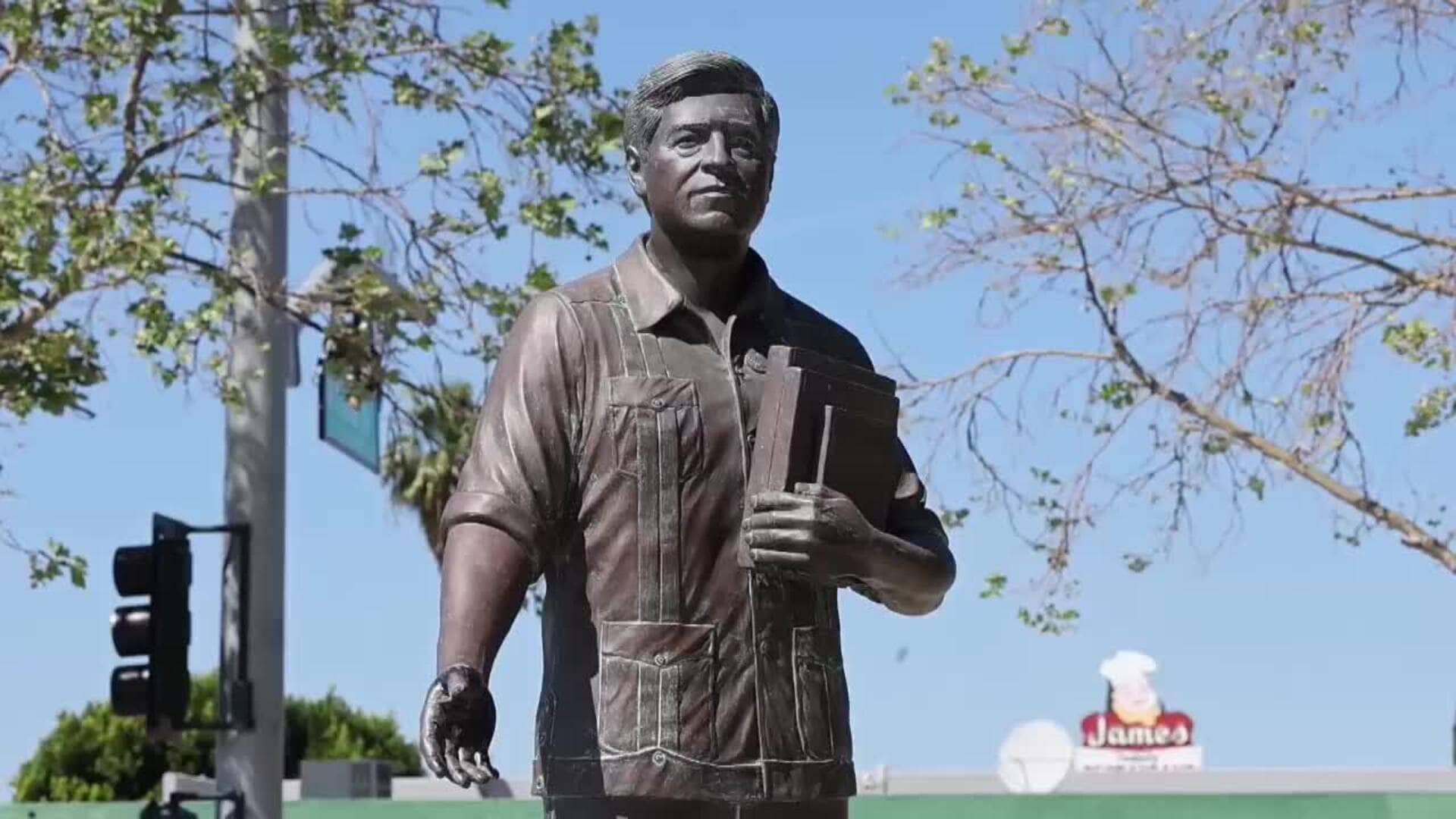
Educational institutions have also begun reassessing their relationship with Chavez's legacy, with Fresno State University covering a statue of the labor leader and several school districts reviewing curriculum to emphasize the collective nature of the farmworker movement rather than individual figures.
The scandal has forced a broader conversation about power dynamics within social justice movements and the importance of creating accountability systems that protect vulnerable members while preserving the essential work of collective organizing.
As the nation processes these revelations, the challenge remains how to acknowledge the harm done while continuing the important fight for farmworker rights and social justice that Chavez helped initiate but ultimately betrayed through his abusive actions.
More on Crime

Congress subpoenas Attorney General Pam Bondi to answer questions about Epstein files
46 sources compared

NIA Arrests Matthew VanDyke, Six Ukrainians, and One American in India Terror Probe
10 sources compared

Dallas police kill Rep. Jasmine Crockett's security guard during standoff.
12 sources compared

Kouri Richins Convicted of Aggravated Murder in Fentanyl Poisoning of Husband
63 sources compared