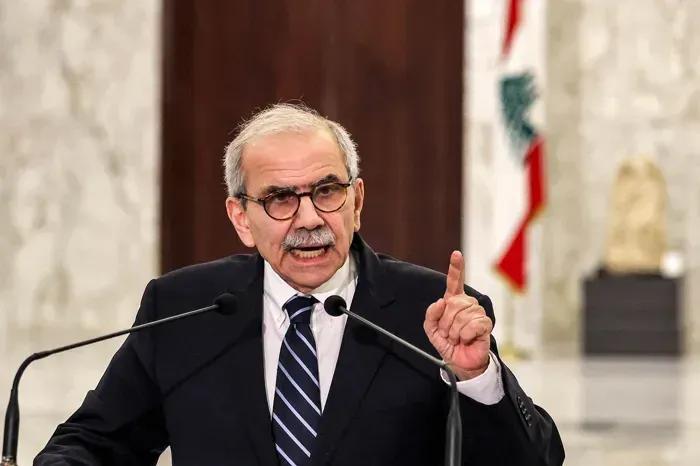
Donald Trump Announces 10-Day Ceasefire Between Israel and Lebanon
Key Takeaways
- A US-brokered 10-day ceasefire between Israel and Lebanon took effect at 21:00 UTC.
- Trump announced the deal and urged compliance with the truce.
- Fighting with Hezbollah paused; the ceasefire occurs amid broader Iran-linked conflict.
Ceasefire takes effect
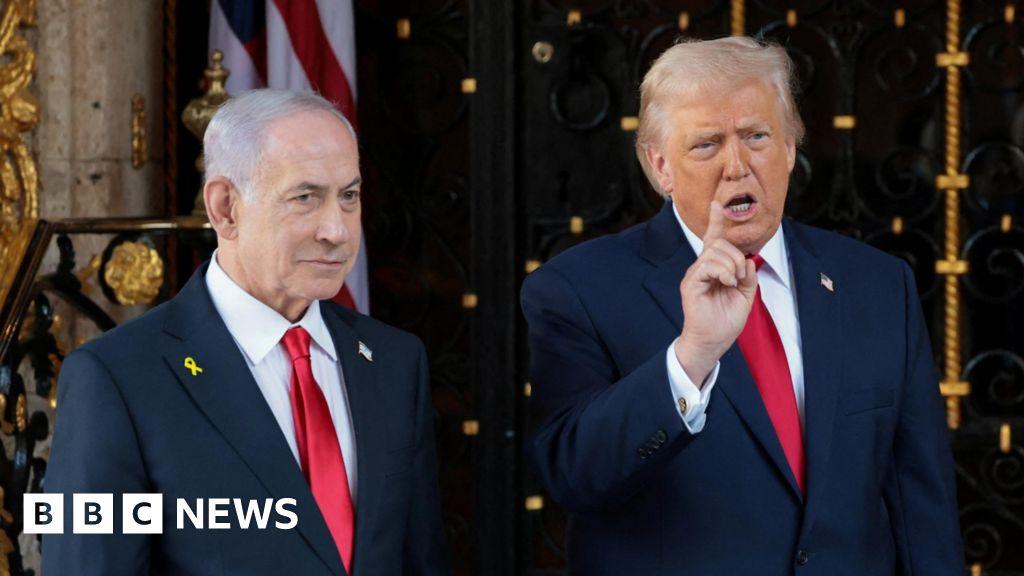
A 10-day ceasefire between Lebanon and Israel took effect at midnight between Thursday and Friday, with U.S. President Donald Trump announcing that Israeli Prime Minister Benjamin Netanyahu and Lebanese President Joseph Aoun agreed to the truce, effective from 12:00 PM Mecca time.
“The speaker of Iran’s parliament, Mohammad Bagher Ghalibaf, has told his Lebanese counterpart that a ceasefire in Lebanon is “as important” as in Iran, according to a statement on social media”
Trump said on Truth Social, "I just had excellent discussions with both Aoun and Netanyahu," adding that they "agreed that they — in order to achieve peace between their two countries — will officially begin a ten-day ceasefire."

NBC News reported that Trump said the ceasefire would begin at 5 p.m. ET, while CBS News said it took effect at 5 p.m. Thursday.
The Washington Post described the moment as a tentative 10-day ceasefire that was greeted with celebratory gunfire after "the clocks hit midnight in Lebanon" as the U.S.-brokered deal went into force.
Reuters’ live coverage framed the ceasefire as going into effect after the U.S. brokered a pause, and BBC reported that the ceasefire spread through Israel’s northern communities with sirens blaring three times warning of incoming rockets from Lebanon.
In Lebanon, CNN said Beirut’s skyline was lit up with fireworks and celebratory gunfire around midnight local time as the ceasefire took effect, while the same CNN reporting noted that Netanyahu said Israeli forces will not withdraw from positions in southern Lebanon as they observe the truce.
Diplomacy and the wider war
The ceasefire announcement arrived as U.S. diplomacy and military pressure were tied to the broader U.S.-Iran conflict, with NBC News saying the 10-day truce came as fighting raged between Israel and Tehran-backed militant group Hezbollah.
NBC News also reported a U.S. blockade dynamic, saying the U.S. military had "turned back 13 ships" since launching its blockade of Iranian ports, and Defense Secretary Pete Hegseth warned Iran "we’re watching you" and said the U.S. was "locked and loaded" for renewed combat if Tehran didn’t agree to a peace deal.

CBS News said the Strait of Hormuz remained effectively closed to most commercial shipping traffic due to Iran’s threats and despite an ongoing U.S. military blockade of Iranian ports, and it added that U.S. Central Command said the U.S. began its blockade on Monday.
Al-Jazeera Net described the ceasefire as part of a chain of regional welcomes, while Reuters’ live coverage and the Washington Post both emphasized that the U.S.-brokered deal promised to halt Israeli strikes in Lebanon.
Reuters’ and BBC’s accounts also reflected uncertainty about how the truce would be implemented, with BBC reporting that Israel’s ceasefire announcement took Israel by surprise and that there was scepticism about why Israel’s leader signed up to the truce.
CNN added that the ceasefire was a key sticking point in negotiations on the US-Iran war, and it quoted UN Special Coordinator for Lebanon Jeanine Hennis saying the ceasefire could "give space for negotiations (and not the battlefield) to dictate what comes next."
Voices from Israel and Hezbollah
As the ceasefire began, Israeli and Hezbollah-linked statements underscored that the truce would not necessarily change battlefield logic.
“Ceasefire agreement between Lebanon and Israel goes into effect Starting from midnight local time in the two countries, 21:00 UTC, for 10 days”
NBC News quoted a senior Hezbollah official, Bilal Lakkiss, saying Israel’s ceasefire with Lebanon is "essential, urgently needed and a demand shared by all," while also warning that Hezbollah would not comply with Israel’s demand to disarm "except within a framework tied to a broader national security vision."
Lakkiss told NBC News that "The status of weapons in Lebanon has, in fact, gained greater legitimacy, as the ceasefire would not have been achieved without the resilience of the resistance," and he added, "In that sense, the strength of the resistance has been a decisive factor in pushing Israel toward a ceasefire."
On the Israeli side, CBS News reported that an Israeli official told CBS News the country agreed to only respond to "imminent threats from Hezbollah" during the ceasefire, while CNN said Netanyahu rejected Hezbollah’s terms and stated that Israeli forces will not withdraw from positions in southern Lebanon as they observe the truce.
CBS News also cited an Israeli Defense Forces spokesperson, Avichay Adraee, who posted on Telegram that during the ceasefire Israel would "maintain its positions in southern Lebanon in response to Hezbollah's ongoing terrorist activities."
BBC’s reporting captured Israeli political skepticism through quotes including Gadi Eisenkot saying, "A ceasefire must come from a position of strength in order to service the national interests of Israel," and Moshe Davidovich telling Israeli media, "Agreements may be signed with a tie in Washington, but the price is paid in blood and destroyed homes."
International welcome and competing frames
Across the region and Europe, governments and officials welcomed the ceasefire while emphasizing compliance, sovereignty, and verification, but their language also reflected different priorities.
Al-Jazeera Net reported that Qatar’s Foreign Ministry welcomed the announcement as "a first step toward de-escalation," stressing the need to adhere to it and to build on it urgently, and it said the Qatari ministry expressed appreciation for President Trump’s mediation efforts.
The same Al-Jazeera Net account said Saudi Arabia’s Foreign Ministry welcomed the U.S. announcement and reaffirmed its stance beside the Lebanese state in extending sovereignty and restricting weapons to the hands of the state and its legitimate institutions.
Egypt’s Foreign Ministry spokesperson, also quoted in Al-Jazeera Net, said Egypt stresses the need for Israel to stop all military attacks on Lebanon and reiterates support for the unity of the Lebanese state and respect for sovereignty and territorial integrity.
The European Commission President Ursula von der Leyen welcomed the ceasefire and wrote, "I welcome the ten-day ceasefire announced between Israel and Lebanon, brokered by President Trump," adding that it is "reassuring, as this conflict has already claimed far too many lives."
At the same time, BBC’s Israel-focused reporting framed the truce as something Israel’s public and leadership viewed with scepticism, quoting Gal in Nahariya saying, "I feel like the government lied to us," and quoting Maor saying, "We gave the Lebanese government a chance and they failed to uphold the agreement; they didn't disarm Hezbollah."
Humanitarian and political stakes
The ceasefire’s start did not end the conflict’s human toll or the political disputes over what comes next.
“Trump's Lebanon ceasefire takes Israel by surprise As news of the ceasefire spread through Israel's northern communities, sirens blared three times this evening warning of incoming rockets from Lebanon”
NBC News reported a death toll attributed to Iran’s forensics chief, saying more than 3,300 people had been killed in the country since U.S.-Israeli strikes began Feb. 28, and it said more than 2,100 people had been killed in Lebanon, 32 had been killed in Gulf states, and 23 had died in Israel.

NBC News also said thirteen U.S. service members had been killed, and two more died of noncombat causes, while CNN said more than 1 million people have been uprooted as a result of the conflict, citing the International Organization for Migration.
CNN quoted the International Rescue Committee calling the ceasefire a "long-overdue reprieve" for civilians and said it creates a "narrow but critical" opportunity to scale up crucial humanitarian assistance.
CNN also included UN Special Coordinator for Lebanon Jeanine Hennis saying the ceasefire could "give space for negotiations (and not the battlefield) to dictate what comes next," and it reported that UN Secretary-General António Guterres said minutes after the ceasefire took effect that he hopes it paves the way toward negotiations for a long-term solution.
In the U.S. political arena, The Hill quoted Sen. Lindsey Graham warning that "The last thing we need to do in the name of peace is throw Hezbollah a lifeline by restricting Israel’s ability to attack this terrorist organization," and it added that Graham said he would not support any agreement that fails to convince him it will result in the disarmament and demise of Hezbollah as a terrorist organization.
More on Lebanon
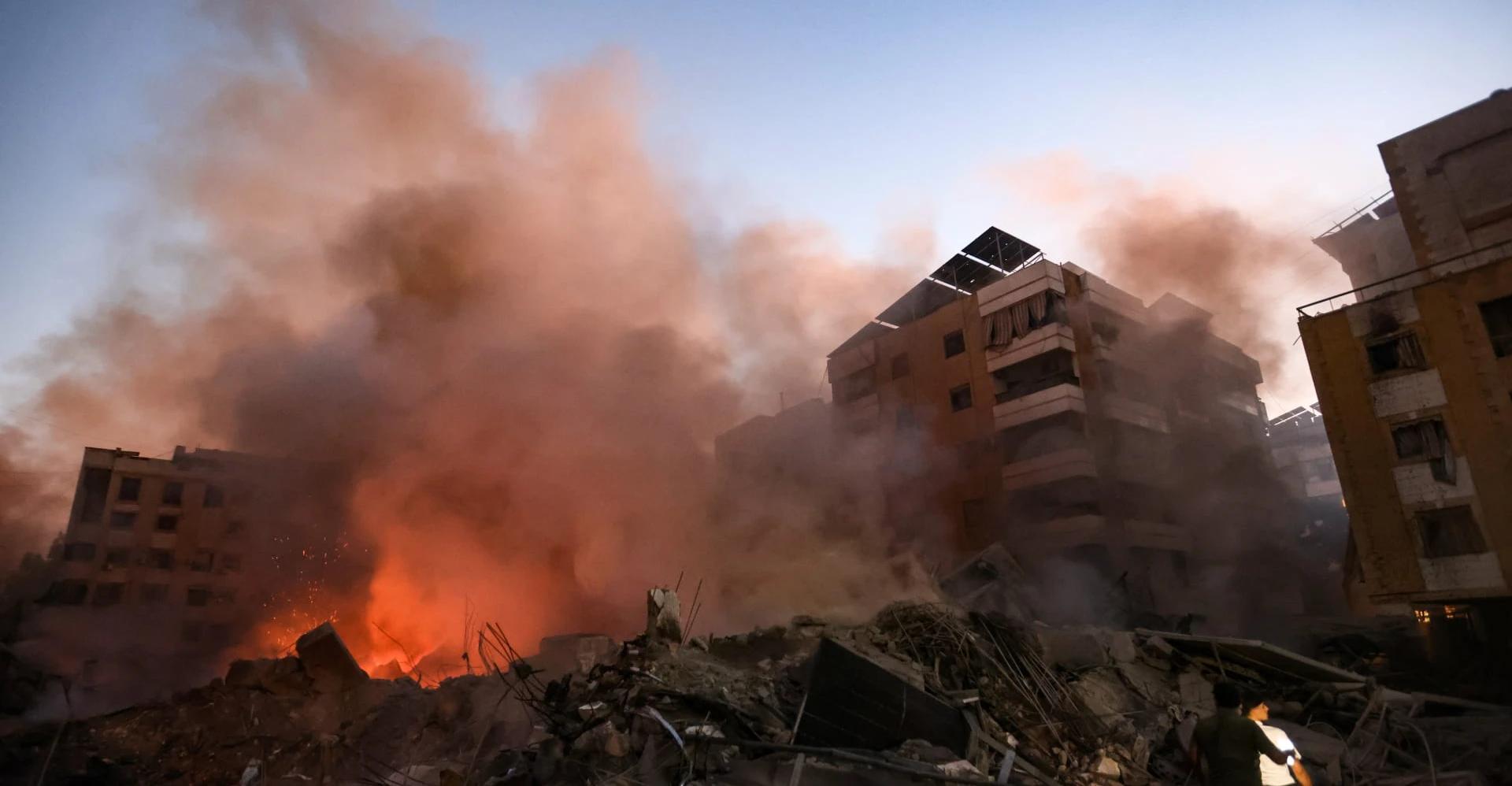
Israeli Artillery Shelling Continues in Southern Lebanon After Israel-Hezbollah Ceasefire Takes Effect
10 sources compared
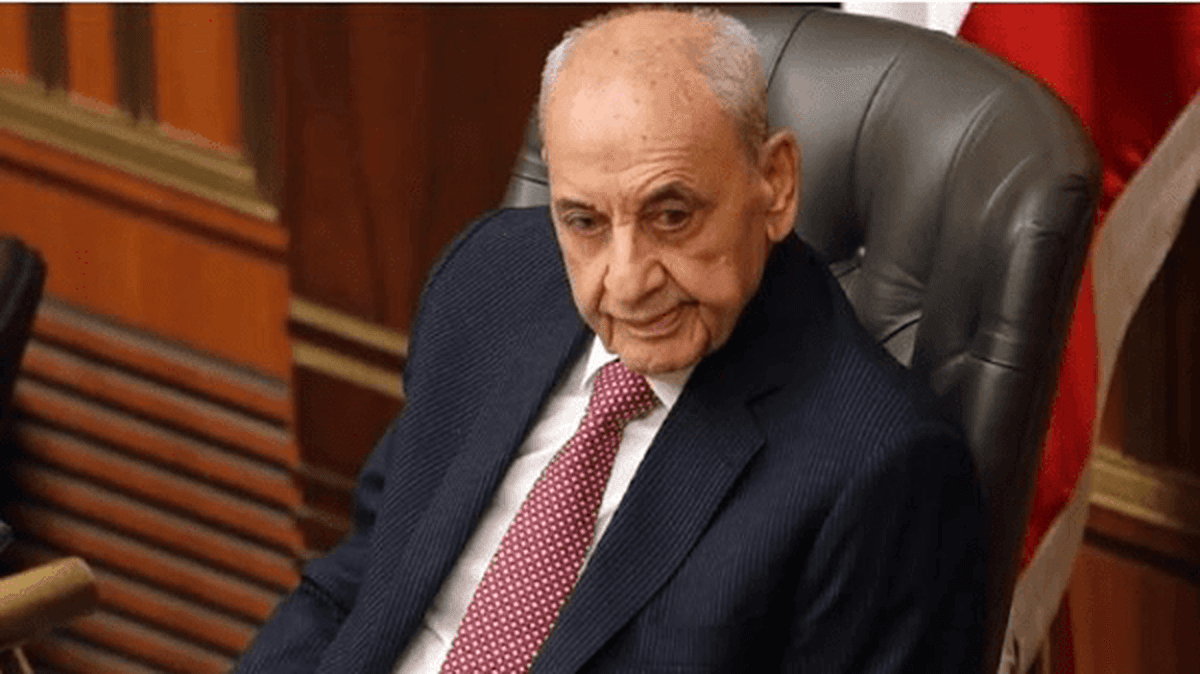
Israel Strikes Lebanon as Trump’s 10-Day Ceasefire Begins Amid U.S.-Iran Truce
26 sources compared

Trump Announces 10-Day Israel-Lebanon Ceasefire Starting Thursday at 5 P.M. ET
30 sources compared
Hezbollah Rockets And Drones Strike Metula, Nahariya, Haifa Naval Base, And Ma'alot Tarshiha
10 sources compared