Israel Strikes Lebanon as Trump’s 10-Day Ceasefire Begins Amid U.S.-Iran Truce
Key Takeaways
- Trump announces a 10-day ceasefire between Israel and Lebanon.
- Ceasefire takes effect at 5 p.m. ET.
- Deal is U.S.-brokered amid Iran negotiations.
Ceasefires and a widening war
The Iran-related ceasefire landscape has been roiled by parallel conflicts and competing interpretations of what the agreements cover, as Israel-Lebanon truce terms took effect while a U.S.-Iran truce continued.
The Guardian’s live coverage said a “fragile 10-day ceasefire between Israel and Lebanon is taking effect while a two-week truce between Iran and the US continues and is due to expire next Wednesday,” and it placed the Lebanon-Israel truce in motion as it came into effect.

The Washington Post described the Lebanon ceasefire as a U.S.-brokered deal that “promised to halt Israeli strikes in the country went into force,” with President Donald Trump announcing it as it began at midnight in Lebanon.
NBC News likewise framed the Lebanon ceasefire as beginning “at 5 p.m. ET today,” with Trump saying “the leaders of Israel and Lebanon have agreed to a 10-day ceasefire.”
BBC News set the start time more precisely, saying the ceasefire would begin “starting from 17:00 EST (21:00 GMT; midnight local time) on Thursday.”
Across the reporting, the central dispute is whether Lebanon is included in the U.S.-Iran ceasefire, and multiple outlets tied that question to the escalation in Lebanon.
France 24 reported that Israel carried out “synchronized strikes on Beirut and other areas in Lebanon,” while also stressing that “Lebanon is not covered by the ceasefire announced between the United States and Iran,” putting the agreement “under pressure.”
What each side says the deal means
The sources describe a ceasefire framework that is simultaneously time-bound and contested in scope, with Lebanon repeatedly emerging as the fault line.
The Guardian said the wording of the Israel-Lebanon truce reserved Israel’s right to defend itself “at any time, against planned, imminent or ongoing attacks,” while also stating that Israel “will not carry out any offensive military operations against Lebanese targets, including civilian, military and other state targets.”

It added that “Hezbollah said it would respond to any strikes by Israel,” and it reported that Lebanon’s state-run National News Agency said Israeli shelling continued in the villages of Khiam and Dibbine about a half hour after the truce went into effect.
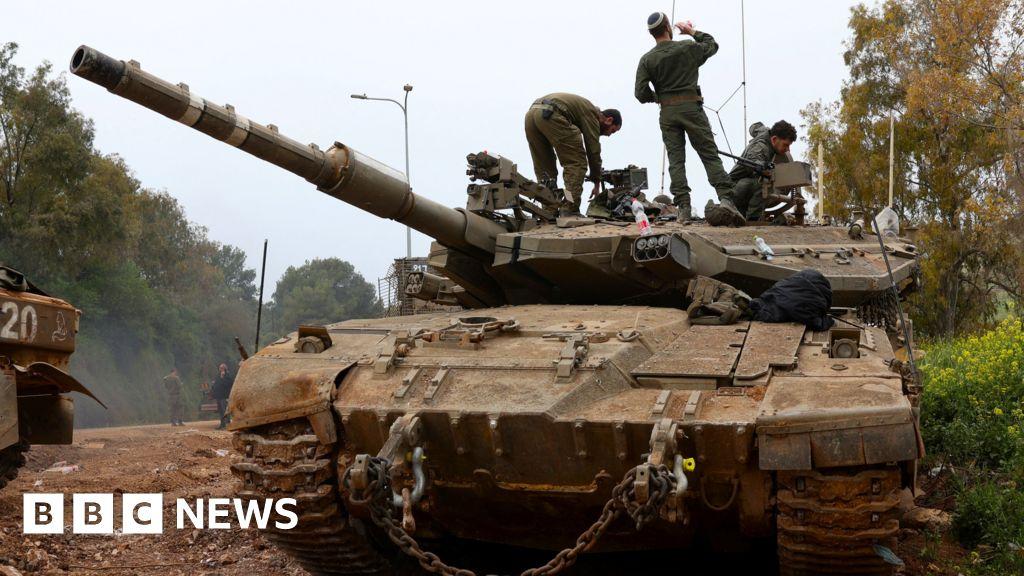
BBC News similarly reported that Hezbollah appeared willing to participate but said it must include “a comprehensive halt to attacks” across Lebanon and “no freedom of movement for Israeli forces.”
In the U.S.-Iran track, Al Jazeera reported that Iran had insisted that its own two-week ceasefire with the US should include Lebanon, while the US and Israel said it did not.
Newsweek’s account of the same dispute stated that “Iran insists any truce must extend to Lebanon — a position Washington and Jerusalem reject,” and it quoted Netanyahu insisting Israel would remain in an expanded buffer zone.
France 24 tied the dispute directly to the escalation, writing that Tel Aviv affirmed “Lebanon is not included in the ceasefire in the Iran-U.S. war,” raising fears of a widening confrontation.
Threats, warnings, and political pressure
As the ceasefires took effect, the reporting shows a parallel escalation of warnings and threats aimed at Iran and at the enforcement of the agreements.
NBC News quoted Defense Secretary Pete Hegseth warning Iran “we’re watching you” and saying the U.S. was “locked and loaded” for renewed combat if Tehran didn’t agree to a peace deal.
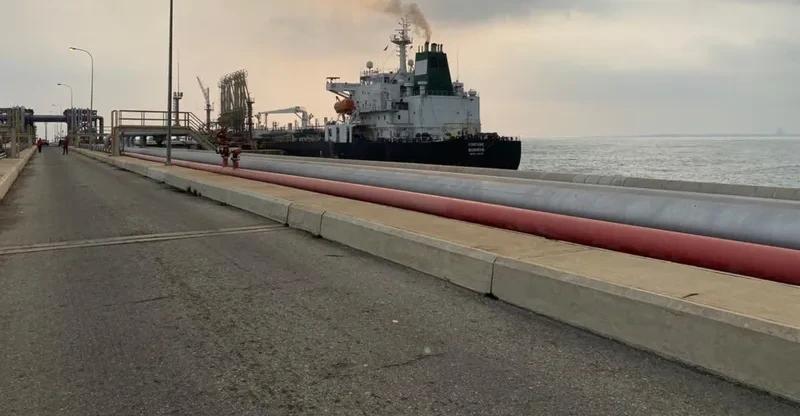
NBC News also reported that the U.S. military “has turned back 13 ships since it launched its blockade of Iranian ports,” and it paired that with the warning that the blockade would continue.
In the same NBC News live updates, Trump said the war with Iran “should be ending pretty soon,” and he added, “We can do whatever we want, and it should be ending pretty soon.”
NBC News also included Trump’s Truth Social message hoping Hezbollah “acts nicely” during the Israel-Lebanon ceasefire, writing “No more killing. Must finally have PEACE! Thank you for your attention to this matter. President DONALD J. TRUMP.”
Al Jazeera’s account of the lead-up to Pakistan-hosted talks said the tone of threats and warnings between Washington and Tehran was rising, and it quoted Trump’s Truth Social post that “all American ships, aircraft, and military personnel will remain in their positions around Iran until full compliance with the agreement reached.”
In parallel, Al Jazeera reported Iran’s president telling Pakistan’s prime minister that guaranteeing the security of the Strait of Hormuz is contingent on a “full halt to attacks on Lebanon.”
Pakistan talks and the nuclear dispute
Multiple outlets tied the next phase of diplomacy to Pakistan, while also showing how the nuclear and enrichment issues remain part of the negotiation atmosphere.
The Guardian said “Trump saying the next US-Iran meeting might take place over the weekend,” and it described a “two-week truce between Iran and the US” due to expire next Wednesday.
Al Jazeera reported that the U.S. and Iran were discussing a second round of peace talks in Pakistan, and it said Trump told reporters in Washington that the U.S. and Iran had already agreed on a lot, including that Tehran would not have nuclear weapons “beyond 20 years,” while warning that “if there is no deal, fighting resumes.”
Entekhab’s live-style compilation said “The White House announced that the next round of talks with Iran is most likely to be held in Islamabad, which is the sole mediator,” and it added that “Field Marshal Asim Munir, the Pakistani army chief, met tonight (Wednesday night) with Iran’s Foreign Minister Seyed Abbas Araqchi.”
The same Entekhab text quoted Iran’s Foreign Ministry spokesman Ismail Baghaei saying “The only mediator through which messages are currently exchanged is Pakistan,” and it stated, “Until the entirety of a framework for understanding is agreed, we cannot discuss accepting or rejecting its details.”
Al Jazeera’s Pakistan-focused reporting said the Iranian delegation would arrive in Islamabad “tonight to conduct talks based on our ten points,” and it stated that the American delegation would be led by Vice President J. D. Vance and accompanied by Jared Kushner and Steve Witkov.
In parallel, Invezz claimed that “Trump said the United States will work with Iran to remove the uranium buried deep as part of broader talks,” and it added that Trump said “there will be no uranium enrichment.”
Stakes: oil, casualties, and the Strait of Hormuz
The sources repeatedly connect the Iran ceasefire dispute to energy transit risks, especially around the Strait of Hormuz, while also emphasizing the human toll in Lebanon.
The Guardian said oil prices were pinned below $100 a barrel with Brent crude futures falling more than 1% to $98.14 a barrel and U.S. West Texas Intermediate falling 1.6% to $93.15 a barrel as investors looked for a near-term resolution to war in the Middle East.

It also described the Strait of Hormuz as central to the political backdrop, quoting Trump’s complaint about Australia and noting that the ceasefire timing intersected with expectations about the next U.S.-Iran meeting.
Invezz claimed that “Iran halted tanker traffic through the Strait of Hormuz,” calling it “a breach of the fragile ceasefire with the United States,” and it said the disruption came “just hours after the sides agreed to reopen this vital sea lane as part of a two-week truce.”
The same Invezz report asserted that the Strait “typically handles about one-fifth of global oil flows,” and it warned that any disruption “has immediate implications for crude oil prices, shipping costs, and broader inflation expectations.”
NBC News provided a casualty ledger across the conflict, saying Iran’s forensics chief said “more than 3,300 people had been killed in the country since U.S.-Israeli strikes began Feb. 28,” and it added “More than 2,100 people have been killed in Lebanon” and “23 have died in Israel.”
France 24 reported the Lebanese toll from the escalation, stating that Israeli strikes “killing 303 people and wounding more than 1,100,” and it described Doctors Without Borders dealing with “a mass influx of casualties, including children,” at Beirut’s Rafik Hariri University Hospital.
More on Iran

US Naval Blockade Near Strait Of Hormuz Pushes Iran Into Broader Conflict Negotiations
11 sources compared
U.S. Navy Expands Iran Maritime Blockade to Cover Contraband Shipments Worldwide
11 sources compared

U.S. Implements Naval Blockade on Iran, Halting 13 Ships in Strait of Hormuz
10 sources compared

U.S. Navy Turns Back Iranian Cargo Vessel After Bandar Abbas Attempted Spoofing
69 sources compared