
US Naval Blockade Near Strait Of Hormuz Pushes Iran Into Broader Conflict Negotiations
Key Takeaways
- Ongoing Tehran-Washington negotiations continue despite war.
- US strategy toward Iran inconsistent; military actions show swings in competency.
- Iran pursues strategic patience to influence U.S. concessions via negotiation.
A war that widened
A 12-day war between Iran and Israel did not lead to de-escalation, Al Jazeera says, but instead “to a redefinition of the conflict on a much broader scale.”
“The developments following the 12-day war between Iran and Israel did not lead to de-escalation, but rather to a redefinition of the conflict on a much broader scale”
The outlet describes “volatile negotiations between Tehran and Washington” continuing while “the gap between the two sides’ expectations deepened,” and it frames the US decision as an attempt “To enter a limited conflict and force Iran into a rapid retreat.”
Al Jazeera says that assumption “shattered” when “the war that was meant to be short, controlled, and manageable turned into a 40-day war of attrition.”
It adds that the conflict “not only failed to achieve the initial objectives of the United States but imposed heavy military, economic, and political costs.”
In parallel, The National Interest argues that the US naval blockade near the Strait of Hormuz “flips Iran’s own strategic script back on the regime,” and it says the result will be “the United States and Iran negotiating a settlement to the current conflict.”
The National Interest also asserts that “By the standards of modern armed conflicts, this has not been a protracted military campaign,” while still claiming that “US actions have seemingly been limited exclusively to air operations.”
Miscalculations and the Strait
Al Jazeera traces why the Iran war “did not go according to US plans” to a set of pre-war miscalculations and decisive variables during the conflict.
It says Washington “assumed Iran’s behavioural pattern from the short war with Israel would repeat,” but it argues that “Iran adjusted its response accordingly, most notably by playing the Strait of Hormuz card.”

The outlet cites “published reports from a US situation room meeting on February 12,” saying “General Keane, chairman of the Joint Chiefs of Staff, warned of the risks of closing the strait, but Trump rejected the general’s assessment and assumed Iran would surrender before reaching that point.”
Al Jazeera then states that “On the ground, however, the Strait of Hormuz became a decisive factor in disrupting both economic and military calculations.”
It also says the US “still assumed Iran’s main target would be Israel,” but that “this time Tehran focused on US bases across the region,” listing “the UAE, Bahrain, Kuwait, Qatar, Saudi Arabia and Jordan” as placed directly on Iran’s target list.
The outlet further claims that intelligence reports from December led Washington astray by convincing Trump that “with widespread assassinations and the activation of public protests, Iran lacked the necessary resilience,” while “a state of war led to social cohesion and strengthened the spirit of resistance.”
Strategy, doctrine, and time
Beyond battlefield miscalculations, multiple sources frame Iran’s approach as a long-game strategy built around geography, time, and distributed decision-making.
“To view this video please enable JavaScript, and consider upgrading to a web browser thatsupports HTML5 video The US military has pulled off elite missions in Venezuela and Iran”
Politics Today argues that “the use of force is not the only factor shaping the course of a conflict,” and it says “other strategic deterrent factors arise from the intersection of geography and politics.”
It quotes Clausewitz: “War is the continuation of politics by other means,” and it presents Iran’s response to “the joint U.S.-Israeli attack on February 28, 2026” as “a prime example of a strategy that draws its strength from various factors.”
The outlet says Iranian decision-makers have a history of “long-term resilience,” and it describes Tehran’s tendency to employ “a strategy of political and economic attrition against its opponents.”
It also says Iran uses a doctrine referred to as “mosaic defense,” describing it as “distributing leadership roles to branches that can fight independently without central command.”
In a separate account, Islam Times quotes an Iraqi analyst, Rasul Hussein Abulsubh, arguing that negotiations are “a long test of patience, precise calculations, and gauging the other side’s will,” and it says Iran “guides the negotiation path” so that “keeping nerves under control” and “understanding the American political will” are prioritized.
US politics and command friction
CNN depicts the Iran war as a destabilizing force inside the United States, describing how Republicans confront the need to shift midterm strategy while the conflict drags on.
It says the White House had “long circled Tax Day as the unofficial start to a critical midterm campaign,” but that President Donald Trump “launched a costly war in Iran, sent gas prices soaring and singlehandedly upended months of careful political planning.”
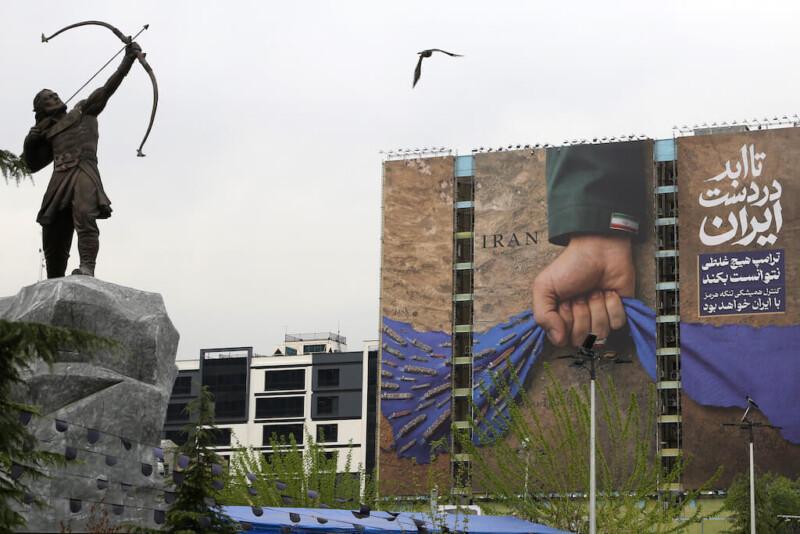
CNN reports that “Now, Trump officials are scrambling to salvage their strategy on the fly,” and it quotes a Trump adviser saying, “We need to get on offense. We need a message,” while adding, “But right now, everything’s on hold until the war’s over.”
The outlet also frames the political stakes in terms of control of Congress, saying the war raises “the odds of an electoral wipeout that could cost Republicans control of Congress.”
It quotes GOP pollster Whit Ayres: “There’s direct correlation between presidential job approval and the party’s midterm performance. It’s not much more complicated than that,” and it says “They’re frustrated and unhappy, and that’s been the case for some time, but it’s especially the case now.”
Separately, Al Jazeera describes internal US military decision-making friction, saying “Command disagreements grew increasingly severe,” and it adds that “the widespread dismissal of senior generals – including the army chief of staff and several other commanders – in the middle of the war was like a major earthquake at the Pentagon.”
What comes next
The sources converge on the idea that the war’s endgame is tied to negotiations, economic pressure, and the management of regional risk.
“SUBSCRIBE April 16, 2026 I n conflicts between states, the use of force is not the only factor shaping the course of a conflict”
Al Jazeera says that after “40 days” the US was pushed into accepting Iran’s terms, stating that “accepting Iran’s terms after 40 days to begin negotiations became the only realistic option.”
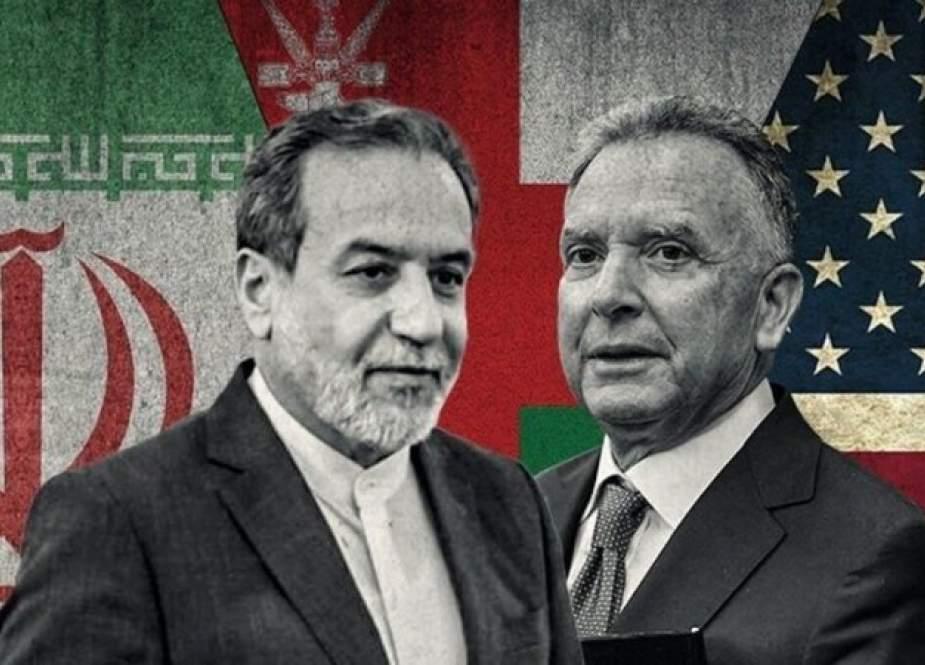
It adds that the war “stands as a clear example of strategic deadlock,” where “the gap between optimistic initial estimates and battlefield realities fundamentally alters the course of events.”
The National Interest argues for “strategic patience and time,” claiming that “If we are patient and allow the US naval blockade to take full effect, a humbler Iran is likely to return to the bargaining table.”
It also says the blockade would deprive Iran of hard currency and that “the Iranian regime will be forced to come to terms with its truly devastated economy and very limited options.”
Meanwhile, The National Interest warns that “Sanctions relief and rebuilding Iran’s economy should only come when the regime demonstrates a commitment to relinquishing its nuclear aspirations, ballistic missile programs, and support to terrorist proxies.”
More on Iran
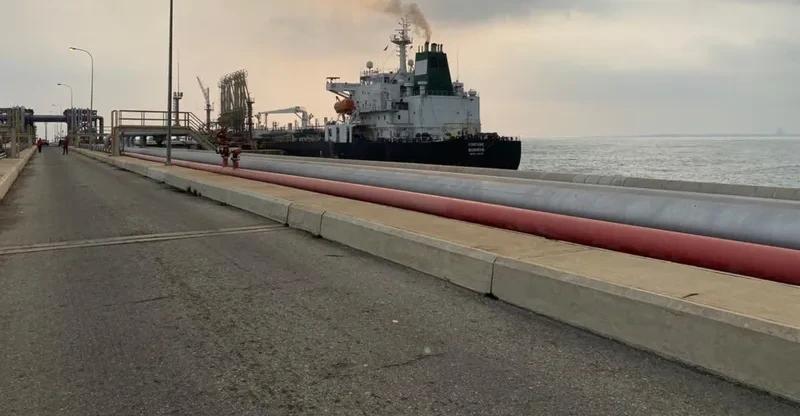
U.S. Navy Expands Iran Maritime Blockade to Cover Contraband Shipments Worldwide
11 sources compared

U.S. Implements Naval Blockade on Iran, Halting 13 Ships in Strait of Hormuz
10 sources compared
Pakistan Pushes to Include Lebanon in Broader Iran Ceasefire Talks
17 sources compared

U.S. Navy Turns Back Iranian Cargo Vessel After Bandar Abbas Attempted Spoofing
69 sources compared