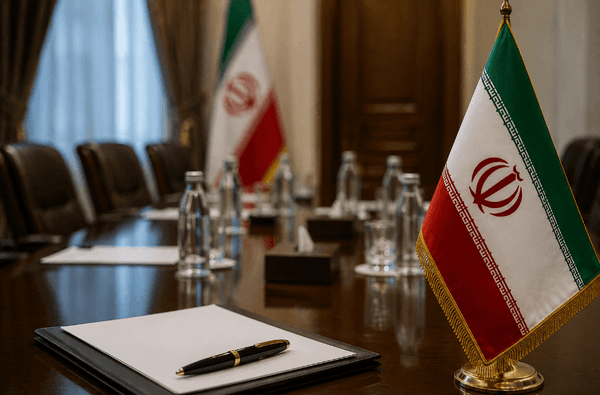
Donald Trump Announces US-Iran Ceasefire, Orders Removal of Naval Blockade, Strait of Hormuz Reopens
Key Takeaways
- United States and Iran reached a peace deal ending months of fighting.
- Strait of Hormuz reopened; U.S. naval blockade lifted.
- Signing ceremony set for Friday in Switzerland to formalize the deal.
Ceasefire and Hormuz
President Donald Trump announced that a ceasefire deal with Iran had been agreed and said toll-free shipping through the Strait of Hormuz would begin, while he also authorized the immediate removal of the United States Naval blockade.
“United States President Donald Trump has announced that a ceasefire deal with Iran has been agreed to and that toll-free shipping through the Strait of Hormuz will now begin”
Trump wrote on Truth Social, “I hereby fully authorize the toll free opening of the Strait of Hormuz, and, simultaneously herewith, authorize the immediate removal of the United States Naval blockade.”

Pakistan’s Prime Minister Shehbaz Sharif said on X that “the Peace Deal between the United States of America and the Islamic Republic of Iran has been REACHED,” adding that both sides had declared the immediate and permanent termination of military operations on all fronts, including in Lebanon.
Iran’s deputy foreign minister, Kazem Gharibabadi, confirmed the memorandum of understanding was complete and said the U.S. naval blockade against Iran would end Sunday night, according to Iranian state media.
CNN reported that a signing ceremony was scheduled for Friday in Switzerland and that the memorandum of understanding was expected to kick off 60 more days of negotiation on ending the war.
Reactions and warnings
As the deal was announced, Trump condemned an Israeli strike in Lebanon and warned that attacks threatened negotiations for a deal to end the war between the U.S. and Iran.
Trump wrote on Truth Social, “This morning's attack on Beirut should not have happened, particularly on a special day when we are so close to a Peace Deal with Iran.”

Iran’s chief negotiator Mohammad Bagher Ghalibaf condemned the strike, writing on X, “[Israel's] incursion into Dahiyeh has once again shown that America either lacks the will to fulfill its commitments or the ability to do so,”.
Secretary of Defense Pete Hegseth told CBS’s Margaret Brennan that negotiations were still moving forward, saying, “We are on track. It's not a matter of if, it's a matter of when,”.
NPR reported that the strike left 3 dead and 15 wounded in Dahiyeh, a suburb of Beirut and stronghold of Hezbollah, according to the National News Agency.
What happens next
The agreement’s next steps centered on a signing ceremony in Switzerland and follow-on talks, with CNN saying the full text had not yet been released and that the framework was expected to take effect on Friday.
CNN reported that the memorandum of understanding was expected to kick off 60 more days of negotiation on ending the war, while Le Monde.fr said the protocol opened the way for talks within 60 days toward a final agreement.
Qatar’s Ministry of Foreign Affairs welcomed the agreement as “an important step towards consolidating sustainable peace and promoting economic growth” and said it would help “de-escalate tensions and bring viewpoints closer together” in the Middle East.
The Guardian reported that Iranian hardliners rejected the deal, with Iranian MP Kamran Ghazanfari saying, “The fact that they say we won and America has retreated is a blatant lie,”.
In parallel, the Guardian said Mehdi Mohammadi, an adviser to Mohammad-Bagher Ghalibaf, argued the text would allow Iran and Oman to charge fees for passage through the Strait of Hormuz and would even prevent Israeli commercial ships using the waterway.
More on Iran

Trump Announces US-Iran Peace Deal, Reopens Strait of Hormuz and Removes Naval Blockade
35 sources compared
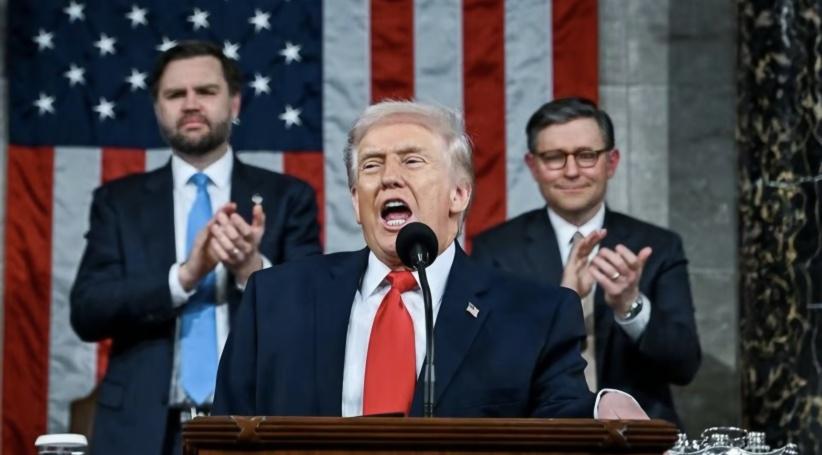
Trump Says US-Iran Peace Deal Complete, Orders Removal of Naval Blockade
11 sources compared

Donald Trump Orders Stop Of U.S. Naval Blockade As Iran Deal Opens Strait Of Hormuz
13 sources compared
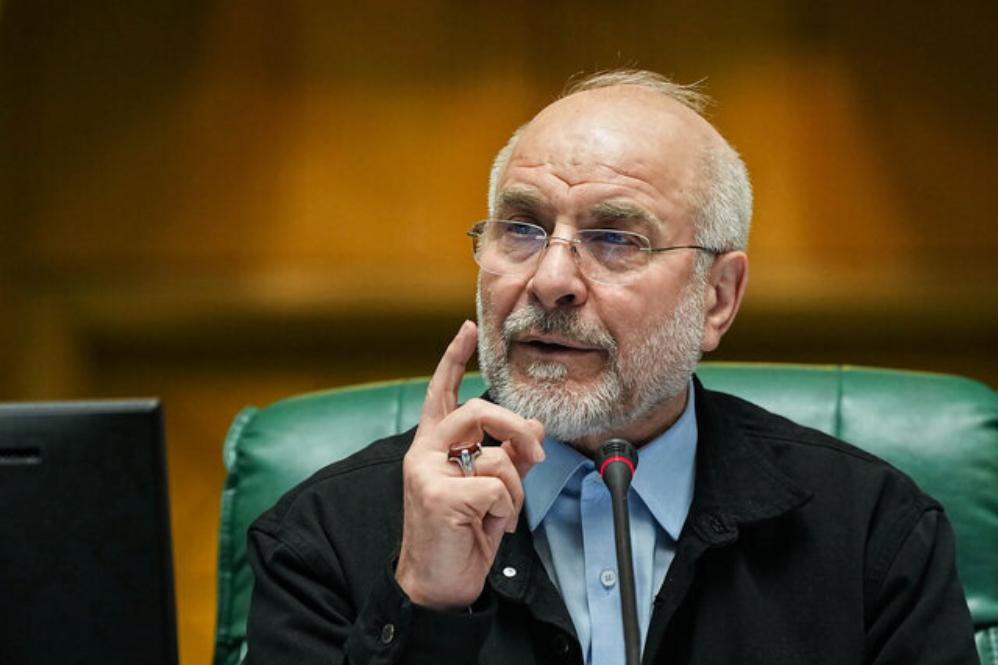
Israel Strikes Beirut Southern Suburbs As US-Iran Peace Deal Signing Nears in Switzerland
13 sources compared