Donald Trump Indefinitely Extends Ceasefire With Iran While U.S. Blocks Iranian Ports
Key Takeaways
- Trump indefinitely extended the Iran ceasefire as negotiations stall.
- U.S. blockade of Iranian ports remains in place.
- Pakistan requested extension to give Iran's fractured leadership time to unify a proposal.
Ceasefire extended, blockade stays
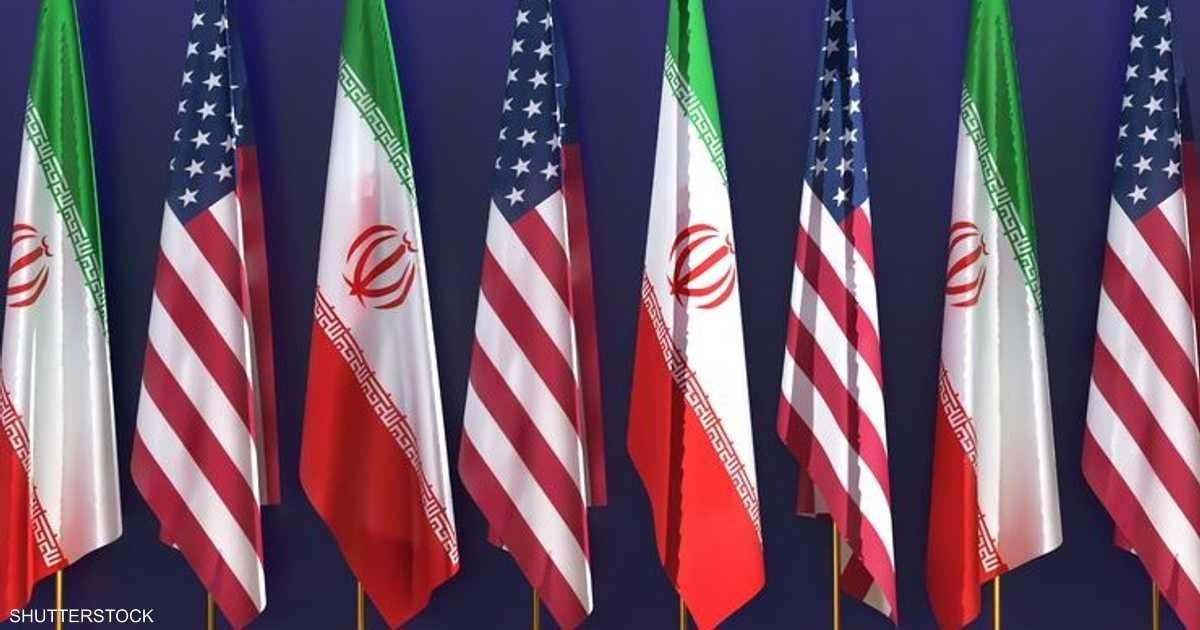
President Donald Trump announced Tuesday that the United States would indefinitely extend its ceasefire with Iran, even as stalled peace talks remained in limbo and the US continued its blockade of Iranian ports.
“By Marco Silva and Joshua Cheetham In a post on his Truth Social platform on Monday night, President Donald Trump said the Iranian leadership has “forced hundreds of ships” towards oil-rich US states, such as Texas, Louisiana, and Alaska”
France 24 reported that the extension came “a day before it was to expire,” after Pakistan had planned to host a second round of talks but the White House put on hold Vice President JD Vance’s planned trip to Islamabad as Iran rebuffed efforts to restart negotiations.
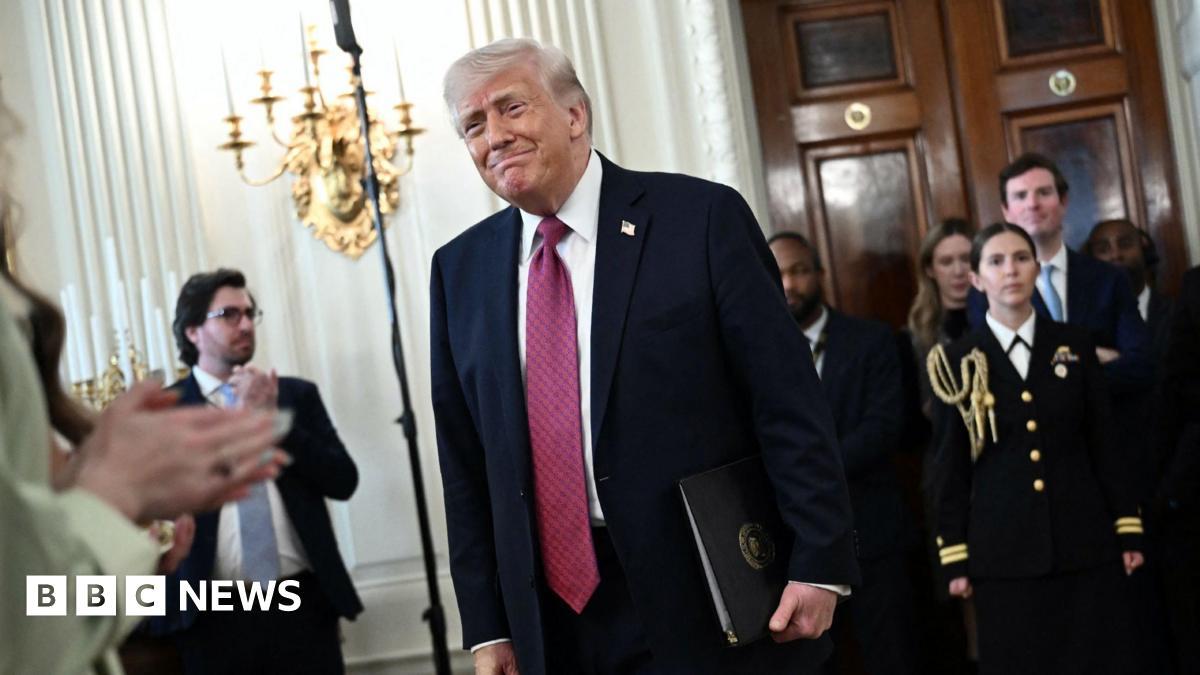
CNN similarly said Trump “extended the ceasefire with Iran until peace talks have ended,” while also “continue[d] the blockade Iranian ports,” which Iran’s foreign minister had previously described as an “act of war.”
The Washington Post framed Trump’s move as a pledge to refrain from attacks until discussions with Tehran “are concluded, one way or the other.”
The New York Times added that the pause in hostilities had been set to expire “within hours,” and that Trump said he acted after receiving a request from Pakistan to hold off any attacks.
In the same announcement, Trump wrote on Truth Social that he had “directed our Military to continue the Blockade and, in all other respects, remain ready and able,” and would extend the ceasefire “until such time as their proposal is submitted, and discussions are concluded, one way or the other,” according to The Guardian.
NBC News reported that Trump said Iran’s “fractured” leadership needed more time to submit negotiating terms and that the blockade would remain in place.
Across the coverage, Iran’s response was portrayed as dismissive or conditional: CNN said an Iranian senior adviser said the extension “means nothing,” while The New York Times reported that an adviser to Mohammad Bagher Ghalibaf wrote, “The extension of the cease-fire by Donald Trump has no meaning. The losing side cannot set the terms,” and that Iran’s foreign minister Abbas Araghchi called the blockade “an act of war.”
Pakistan mediation and stalled talks
Multiple outlets tied the ceasefire extension to Pakistan’s mediation efforts and to uncertainty over whether Iran would participate in talks in Islamabad.
France 24 said Pakistan “scrambl[ed] to bring both sides back to the negotiating table,” and that Prime Minister Shehbaz Sharif later thanked Trump for his “gracious acceptance” of Pakistan’s request, saying the ceasefire extension would allow ongoing diplomatic efforts to proceed.

The Guardian quoted Trump writing that the US was extending the ceasefire “at Pakistan’s request” while he waited for a “unified proposal” from Tehran, and it described the White House putting on hold JD Vance’s planned trip as Iran “balked at further discussions.”
The New York Times reported that Vance’s trip to Pakistan for a second round of peace negotiations was put on hold because, according to a U.S. official, Tehran “had failed to respond to American positions.”
CNN said the US had sent Iran a list of broad deal points and that “days went by without a response,” raising suspicions about what Vance could achieve in Pakistan, while also describing “virtual silence from the Iranians.”
The Detroit News similarly said talks scheduled between U.S. and Iranian delegations in the Pakistani capital were postponed amid uncertainty about the broad strokes of a deal, and it stated that Vance and other U.S. negotiators remained in Washington to hold “additional policy meetings.”
NBC News said Trump sounded positive about new peace talks despite uncertainty over Tehran’s participation, and it quoted Trump saying, “We’re going to end up with a great deal,” while also asserting that Iran had “no choice” but to send a delegation to Pakistan.
In parallel, the outlets described Iran’s public posture as refusing to negotiate under pressure: The Detroit News quoted Iran’s parliamentary speaker Mohammad Bagher Ghalibaf writing, “We do not accept negotiations under the shadow of threat, and over the past two weeks, we have been preparing to unveil new cards on the battlefield.”
Iran’s response and threats
Iran’s reaction to the ceasefire extension was portrayed as dismissive and tied to the blockade and to internal political dynamics.
“• Truce extended: US President Donald Trump said he extended the ceasefire with Iran until peace talks have ended — contradicting his prior vow not to prolong the truce”
CNN said an Iranian senior adviser told viewers the extension “means nothing” and that Tehran should respond militarily, while also reporting that Iran’s UN envoy said he believes talks will happen if the US ends its blockade.
The New York Times described the first response from Iran as coming from an adviser to Mohammad Bagher Ghalibaf, writing, “The extension of the cease-fire by Donald Trump has no meaning. The losing side cannot set the terms,” and it said Abbas Araghchi called the blockade “an act of war.”
France 24 reported that Iranian Foreign Ministry spokesman Esmail Baghaei told Iran’s state TV there has been “no final decision” on whether to agree to more talks because of “unacceptable actions" by the US, apparently referring to the US blockade of Iranian ports.
France 24 also included a warning from an Islamic Revolutionary Guard Corps commander, Gen. Majid Mousavi, threatening to destroy the region’s oil industry if war with the US resumes, saying, “If southern neighbors allow the enemy to use their facilities to attack Iran, they should say goodbye to oil production in the Middle East region.”
The Guardian and France 24 both tied the blockade to the Strait of Hormuz, with France 24 stating that the US imposed the blockade to pressure Tehran into ending its stranglehold on the Strait of Hormuz, a key shipping lane through which “20% of the world’s natural gas and crude oil transits in peacetime.”
The Guardian added that the US Treasury’s Scott Bessent said the blockade would lead to Kharg Island storage being full and “the fragile Iranian oil wells will be shut in” within days.
NBC News reported that Iran’s top negotiator warned it will not negotiate “under the shadow of threat” and has prepared “new cards on the battlefield,” as Tehran signaled it is ready if the war resumes.
Maritime enforcement and economic pressure
Alongside the ceasefire extension, the sources describe continued US maritime enforcement and economic pressure aimed at Iran’s ability to move and finance oil and other goods.
France 24 said the US imposed the blockade to pressure Tehran into ending its stranglehold on the Strait of Hormuz, and it reported that Brent crude was trading at close to $95 per barrel on Tuesday, up more than 30% from Feb. 28.
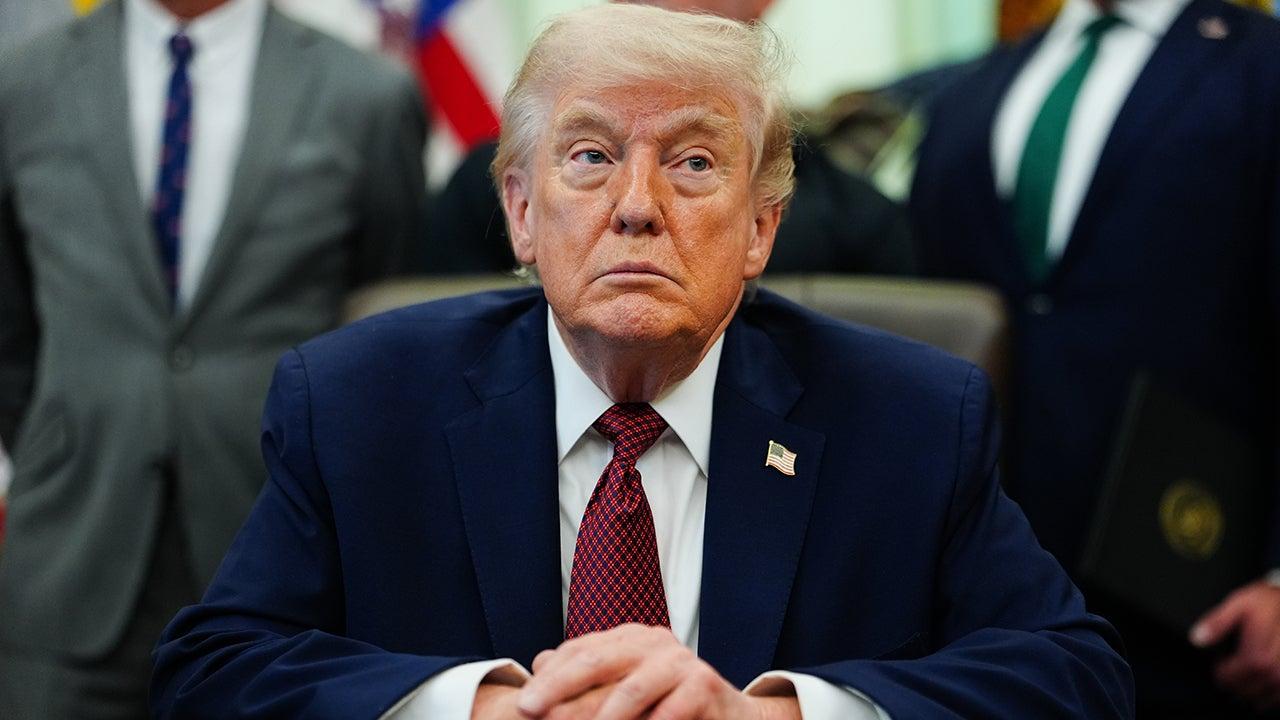
The Guardian and Fox News both emphasized that the blockade and financial crackdown were intended to degrade Tehran’s revenue and capacity, with The Guardian quoting Scott Bessent saying that “in a matter of days, Kharg Island storage will be full and the fragile Iranian oil wells will be shut in.”
Fox News added that Bessent warned the blockade and financial crackdown could impact the regime’s revenue streams “in a matter of days,” and it quoted Bessent saying the US Treasury would continue to apply “maximum pressure through Economic Fury to systematically degrade Tehran’s ability to generate, move, and repatriate funds.”
The Guardian also reported that the US Department of Defense said it would pursue “global maritime enforcement efforts to disrupt illicit networks and interdict sanctioned vessels providing material support to Iran – anywhere they operate.”
Multiple outlets described specific US actions against tankers: France 24 said the US said its forces boarded the M/T Tifani “without incident.”
The Guardian and The Detroit News likewise described the boarding of the M/T Tifani, with The Detroit News adding that the tanker’s last transmitted location Tuesday morning was in international waters in the Indian Ocean, about 400 miles southeast of Sri Lanka.
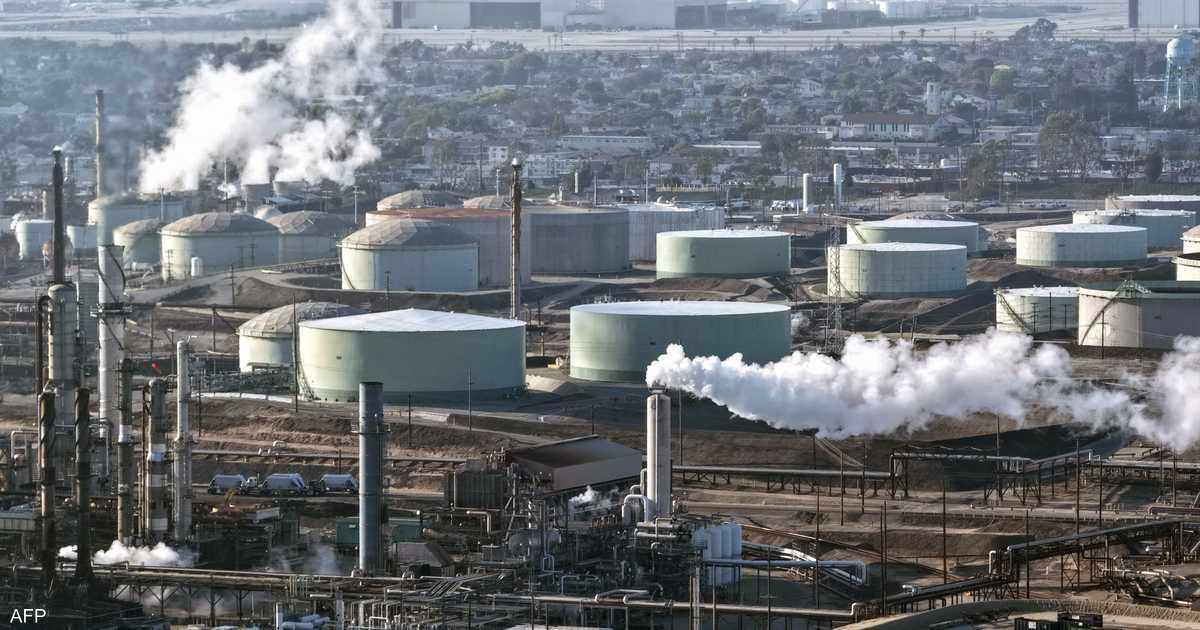
BBC reported that the closure of the Strait of Hormuz by Iran had driven a surge in demand for US crude oil, citing Kpler data that “71 oil tankers known as Very Large Crude Carriers (VLCCs) are headed to the US.”
Divergent framing and global ripple
While the core facts of the ceasefire extension and the blockade appear across outlets, the sources diverge in emphasis—particularly on what the extension is meant to accomplish and how the wider conflict is affecting markets and other theaters.
“Trump extends Iran ceasefire indefinitely as peace talks stall President Donald Trump said Tuesday the United States would indefinitely extend its ceasefire with Iran, easing fears that a fragile pause in fighting could collapse as stalled peace talks remain in limbo”
The Nightly focused on markets, reporting that “Stocks gain as Trump extends Iran ceasefire,” and it said S&P futures rose 0.5 per cent while Nasdaq futures gained 0.6 per cent in early Asian trading hours, with oil holding onto gains even as the Strait of Hormuz remained closed.
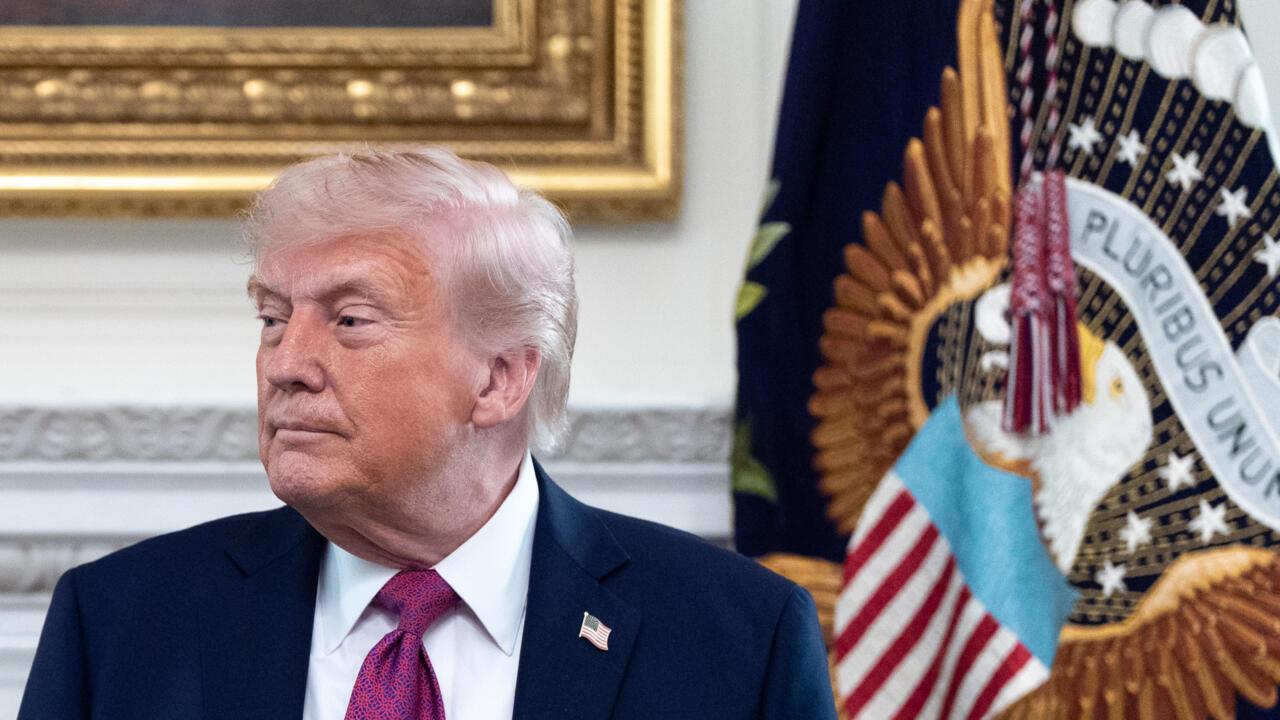
It also quoted Matt Simpson of StoneX saying, “It appears markets were right to assume peak war uncertainty is behind us,” and it stated that “The closure of the Strait of Hormuz is already priced in.”
In contrast, The New York Times emphasized uncertainty around talks and the immediate diplomatic response from Iran, highlighting that the adviser Mahdi Mohammadi wrote, “The extension of the cease-fire by Donald Trump has no meaning,” and that Iran’s foreign minister Abbas Araghchi called the blockade “an act of war.”
NBC News leaned into the bargaining logic, saying Trump offered time for Iran’s leadership to unify around a proposal and quoting Trump’s claim that Iran had “no choice” but to send a delegation to Pakistan, while also warning that Trump said he expected to resume bombing if talks did not go well.
The Guardian framed the extension as part of a broader strategic and enforcement posture, tying it to the US maintaining its blockade while Britain hosts military planners from “over 30 countries” for two days of talks starting Wednesday on a multinational mission led by the UK and France to protect navigation in the strait of Hormuz.
France 24, meanwhile, foregrounded the internal diplomatic mechanics and the risk of collapse, describing how the White House put on hold JD Vance’s trip and how Iran had “new cards on the battlefield” that “haven't yet been revealed,” as well as the IGRC commander’s threat to oil production.
Even Fox News, while centered on US pressure, included political reactions and additional accusations, saying Trump accused Iran of “numerous” ceasefire violations and that China was “caught red-handed” over alleged Iran missile-linked chemical shipments.
What comes next
The sources portray the ceasefire extension as creating a narrow window for negotiations while leaving multiple pathways for escalation and enforcement.
France 24 said the US announcement appeared to ease fears that fighting would promptly resume, but it also reported that both countries warned that without a deal they were prepared to resume fighting, and it noted that Trump could change his mind on negotiating with Iran at any time.
The Guardian described the extension as dependent on Tehran submitting a “unified proposal,” and it said the US Treasury’s Scott Bessent warned that the blockade would fill Kharg Island storage and shut in fragile Iranian oil wells within days.
CNN and NBC News both described the conditional nature of the pause: CNN said Iran’s senior adviser told Tehran it should respond militarily, while NBC News said Trump warned he was ready to resume bombing if talks did not go well as the ceasefire deadline loomed.
The New York Times added that even if the two sides returned to the negotiating table, “many sticking points remain,” chiefly Iran’s nuclear program and the Strait of Hormuz, and it reported that the US Navy said it had forced 28 ships to turn around.
The BBC described how the Strait of Hormuz closure had already driven changes in shipping and crude oil demand, citing Kpler’s count of 71 VLCCs headed to the US and Drewry’s figure that “shipments reached 5.2 million barrels per day - the highest level in seven months” in the week ending 10 April.
In the diplomatic track, The New York Times said the ceasefire would stay in effect until Iran’s “leaders and representatives can come up with a unified proposal,” and it reported that Pakistan’s Prime Minister Shehbaz Sharif thanked Trump for “graciously accepting our request to extend the ceasefire to allow ongoing diplomatic efforts to take their course.”
The sources therefore depict a next phase defined by a deadline for a unified proposal, continued blockade and maritime enforcement, and parallel military and diplomatic activity across the region.
More on Iran

Donald Trump Extends Iran Ceasefire Until Peace Talks End, Keeps Blockade of Iranian Ports
10 sources compared
Trump Extends Iran Ceasefire Indefinitely, Orders U.S. Military To Continue Blockade
11 sources compared
Donald Trump Extends U.S. Ceasefire With Iran, Orders Naval Blockade to Continue
15 sources compared
Donald Trump Extends U.S. Ceasefire With Iran, Keeps Blockade of Iranian Ports
12 sources compared