Trump Extends Iran Ceasefire Indefinitely, Orders U.S. Military To Continue Blockade
Key Takeaways
- Trump extends ceasefire with Iran indefinitely until negotiations are concluded.
- Pakistan requested the extension, citing Iran's seriously fractured government.
- The U.S. continues to blockade Iranian ports during diplomacy.
Ceasefire extended, blockade kept
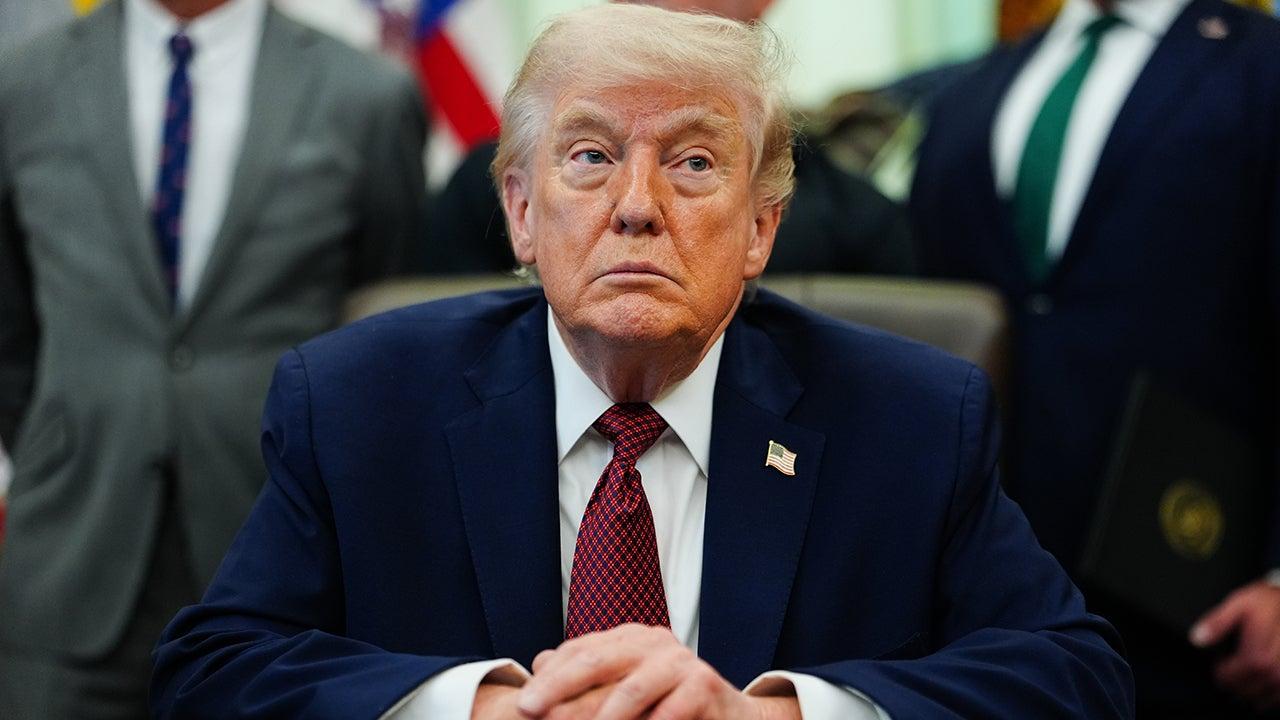
President Donald Trump announced he would extend the ceasefire with Iran indefinitely while directing the U.S. military to “continue the Blockade” and remain “ready and able.”
“live Iran war live updates: Trump's eleventh-hour ceasefire extension 'a ploy to buy time', Iranian adviser says US President Donald Trump has announced he will indefinitely extend the ceasefire with Iran, hours before it had been set to expire”
In a Truth Social statement, Trump said the extension was requested “upon the request of Field Marshal Asim Munir, and Prime Minister Shehbaz Sharif, of Pakistan,” and that the decision followed “the fact that the Government of Iran is seriously fractured.”
Trump wrote that the U.S. would “hold our Attack on the Country of Iran until such time as their leaders and representatives can come up with a unified proposal,” and he added that he would “extend the Ceasefire until such time as their proposal is submitted, and discussions are concluded, one way or the other.”
CNN reported Trump said the extension was “until Tehran has submitted a proposal to end the conflict permanently,” while also stating the U.S. would “continue to blockade Iranian ports.”
CBS News similarly said Trump extended the ceasefire “until talks between the U.S. and Iran are ‘concluded,’” and quoted his instruction to “continue the Blockade” and stay “ready and able.”
The Hill described the move as “a stark change” after Trump earlier said “I don’t want to do that. We don’t have that much time,” and it noted the ceasefire was extended while the naval blockade remained in place.
Across outlets, the same core mechanism appears: pause potential strikes, keep maritime pressure, and tie the end of the ceasefire to a proposal and “discussions” being concluded.
Iran and U.S. trade accusations
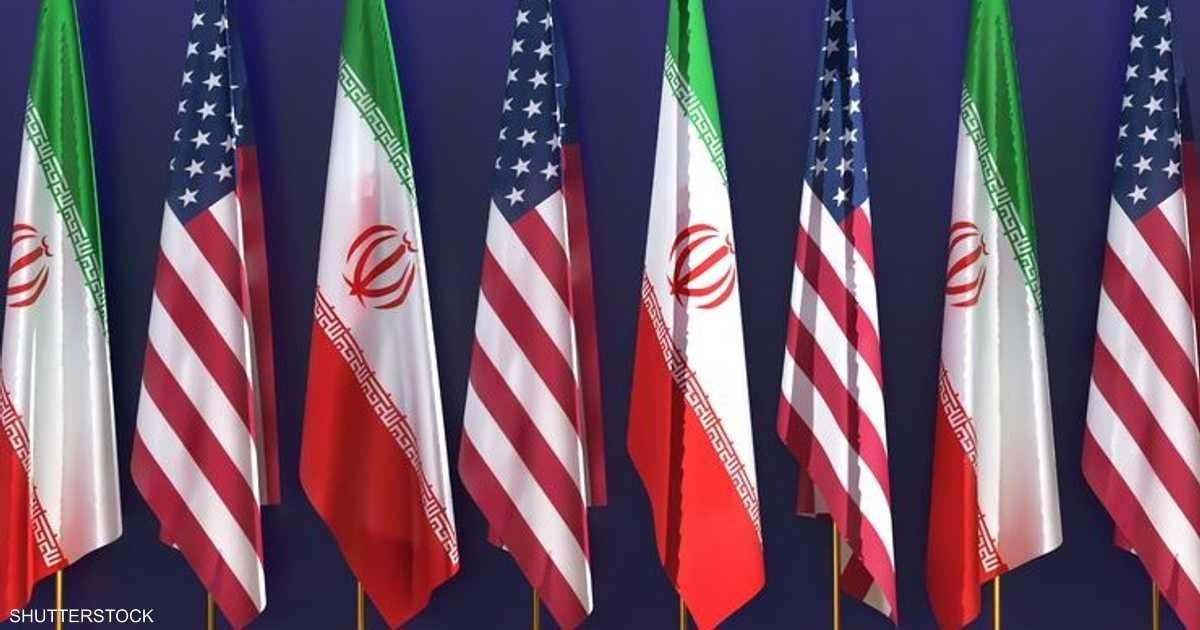
Iran’s response to Trump’s extension was contested and framed as either a refusal to negotiate or a rejection of the premise behind the ceasefire.
CNN reported that Trump’s extension “means nothing” and said an Iranian senior adviser told CNN that Tehran should respond militarily, while it also referenced Iran’s foreign minister saying the U.S. blockade amounted to an “act of war” and violated the ceasefire.

The CNBC-linked reporting in the CNN package also described Iran’s position that the blockade must be lifted for negotiations to resume, while the U.S. said it would not end the action until a peace deal is signed.
The Guardian reported that Mohammad Bagher Ghalibaf’s personal adviser dismissed the extension as “a ploy to buy time for a surprise strike,” adding that “The time for Iran to take the initiative has come.”
The Guardian also quoted Ghalibaf’s line that “We do not accept negotiations under the shadow of threats,” and it said Iranian state television broadcast that “no delegation from Iran has visited Islamabad … so far.”
In the Australian Broadcasting Corporation live updates, Tasnim News Agency said Tehran had not asked for a ceasefire extension, while an adviser to Mohammad Baqer Qalibaf described the announcement as a “ploy to buy time.”
CNBC’s account added that an advisor to the speaker of Iran’s parliament, Mohammad Baqer Qalibaf, called the extension “a ploy to buy time” and said the continued blockade of Iranian ports was “no different from bombardment and must be met with a military response.”
Pakistan mediates, talks in flux
Pakistan’s role appears repeatedly across the reporting as the mediator for the ceasefire extension and for any subsequent negotiations.
“President Donald Trump on Tuesday extended the two-week U”
Trump’s statement, as reproduced by multiple outlets, tied the extension to Pakistani requests, saying it was “upon the request of Field Marshal Asim Munir, and Prime Minister Shehbaz Sharif, of Pakistan,” and that the U.S. would “hold our Attack on the Country of Iran” while Iran’s leaders prepare a “unified proposal.”
The Hill said the ceasefire extension came after a day where “potential U.S.-Iran peace talks in Pakistan were in flux,” and it noted Iran had “publicly not committed to sending envoys.”
RFE/RL reported that Pakistani Prime Minister Shehbaz Sharif thanked Trump for accepting his country’s request to extend the ceasefire, saying he “sincerely hope[d] that both sides will continue to observe the cease-fire and be able to conclude a comprehensive ‘Peace Deal’ during the second round of talks scheduled at Islamabad.”
The same RFE/RL report said a trip to Islamabad by Vice President JD Vance would not take place on April 21 as planned, and it said the uncertainty followed Tehran saying it had not decided whether its team would participate.
The Guardian described the day as “topsy-turvy” and said an expected trip to Islamabad by JD Vance had been put on hold, while Trump ramped up rhetoric and said the U.S. military was “raring to go.”
CBS News reported that the two-week ceasefire was originally set to expire Tuesday night, and it said Vance was still in Washington despite earlier claims that senior U.S. delegation members were on their way to Islamabad.
UN and military posture
While the ceasefire extension was announced by Trump, the sources also describe diplomatic and military signals running in parallel.
Fox News reported that UN leaders voiced support for Trump’s announcement, saying it created “critical space for diplomacy,” and it quoted International Atomic Energy Agency head Rafael Grossi telling reporters that the effort to end the war is a “complex process.”

Fox News also quoted Grossi warning that any peace deal must include the IAEA from the start to enforce oversight over Iran’s nuclear program, otherwise “you will have an illusion of an agreement.”
The same Fox News account quoted UN Secretary-General Antonio Guterres as saying Trump’s announcement would create “critical space for diplomacy and confidence-building between Iran and the United States,” and it quoted UN spokesman Stéphane Dujarric saying, “We encourage all parties to build on this momentum, refrain from actions that could undermine the ceasefire, and engage constructively in negotiations.”
On the military side, Fox News said U.S. Central Command released a video Tuesday showing American forces on high alert, with on-screen captions reading “Rearmed. Retooled. Ready.”
Fox News also included CENTCOM Commander Adm. Brad Cooper’s line that “We’re rearming, we’re retooling, and we’re adjusting our tactics, techniques, and procedures,” and it described the U.S. Navy continuing the blockade of Iranian ports.
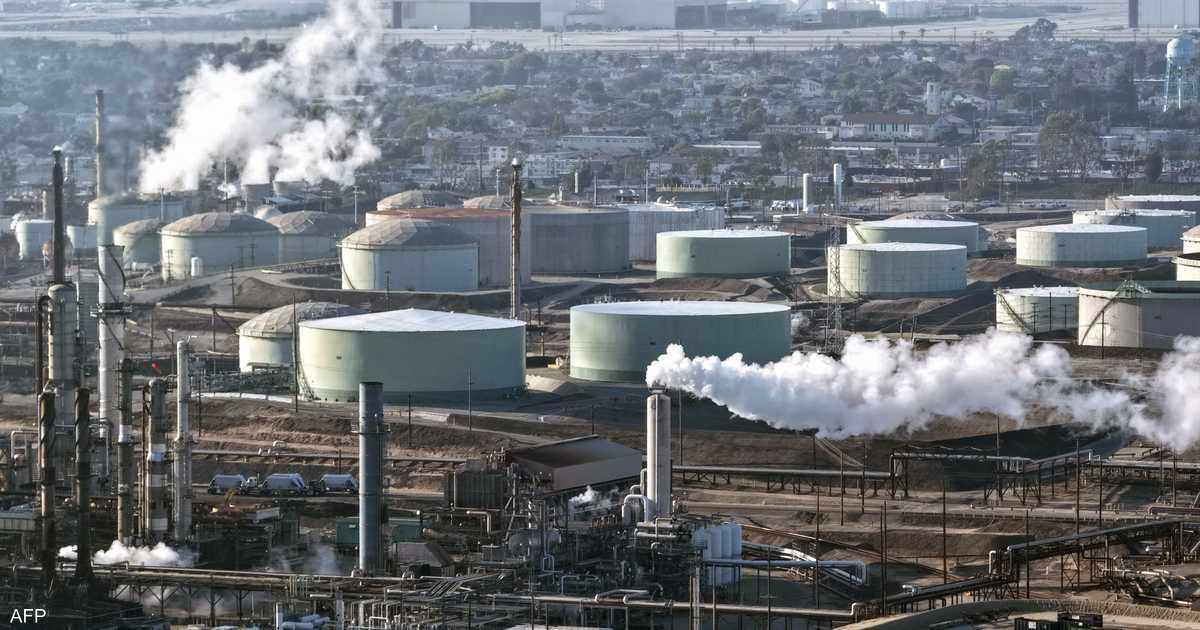
The Guardian similarly emphasized the blockade as a hurdle to arranging a second round of talks, and it quoted Treasury Secretary Scott Bessent warning, “In a matter of days, Kharg Island storage will be full and the fragile Iranian oil wells will be shut in.”
Hormuz planning and economic stakes
Beyond the ceasefire itself, the sources describe planning for the Strait of Hormuz and the economic pressure tied to the blockade.
“China ‘caught red-handed’ over alleged Iran missile-linked chemical shipment, says Scott Sen”
RFE/RL reported that Britain will host military planners from more than 30 countries for talks starting April 22-23 on a potential multinational mission led by the UK and France to protect sea traffic in the Strait of Hormuz, and it quoted the British Defense Ministry saying the talks would involve “detailed planning.”
RFE/RL also quoted Defense Minister John Healey saying the “task...to translate diplomatic consensus into a joint plan to safeguard freedom of navigation in the Strait and support a lasting ceasefire,” and it said he was confident “real progress can be made.”
The same RFE/RL report said Britain and France stressed force would only be used in defensive situations and that the mission would start only after a peace agreement is concluded.
In the CNN report, the UK and France convene military planners from over 30 nations in London on Wednesday to discuss reopening the Strait of Hormuz, which has been effectively closed for almost two months, and it said the sessions would discuss “how military forces can deploy to the region.”
CNBC’s reporting tied the blockade to the Strait of Hormuz as a key point of conflict, saying Iran effectively closed the strait at the start of the war and that Trump said he agreed to the ceasefire on condition that the strait be fully reopened.
TipRanks framed the ceasefire extension in market terms, saying Trump’s statement could “calm broader equity markets by reducing immediate war risk” while sustaining a “geopolitical risk premium” in energy and defense names.
More on Iran

Donald Trump Extends Iran Ceasefire Until Peace Talks End, Keeps Blockade of Iranian Ports
10 sources compared
Donald Trump Indefinitely Extends Ceasefire With Iran While U.S. Blocks Iranian Ports
15 sources compared
Donald Trump Extends U.S. Ceasefire With Iran, Orders Naval Blockade to Continue
15 sources compared
Donald Trump Extends U.S. Ceasefire With Iran, Keeps Blockade of Iranian Ports
12 sources compared