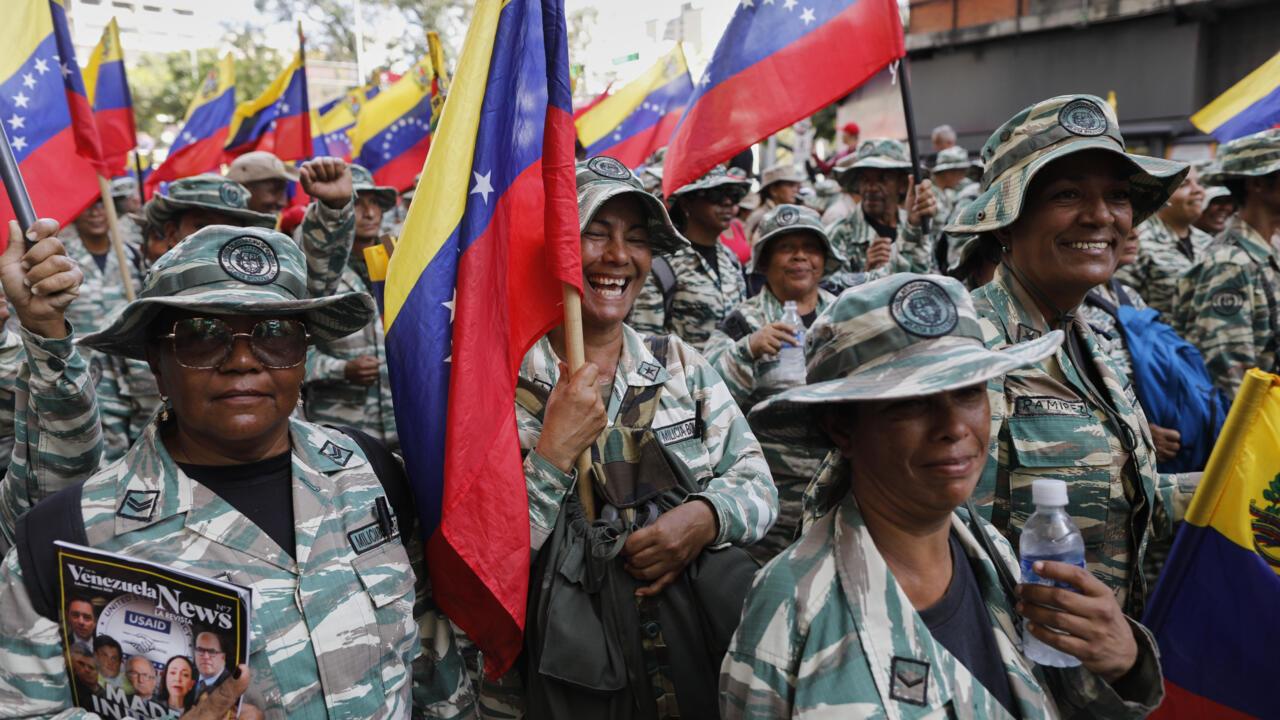
Donald Trump Revokes Chevron’s License, Tightening Venezuela-U.S. Oil Tensions
Key Takeaways
- Venezuela shipped about 13 kg of highly enriched uranium to the United States.
- Chevron remains under sanctions pressure amid ongoing Venezuela-U.S. oil tensions.
- Trump touted talks with Iran and a regime-change trajectory affecting diplomacy.
Chevron in Venezuela
RFI describes Chevron as central to tensions between Venezuela and the United States while the company remains anchored to the Orinoco Basin.
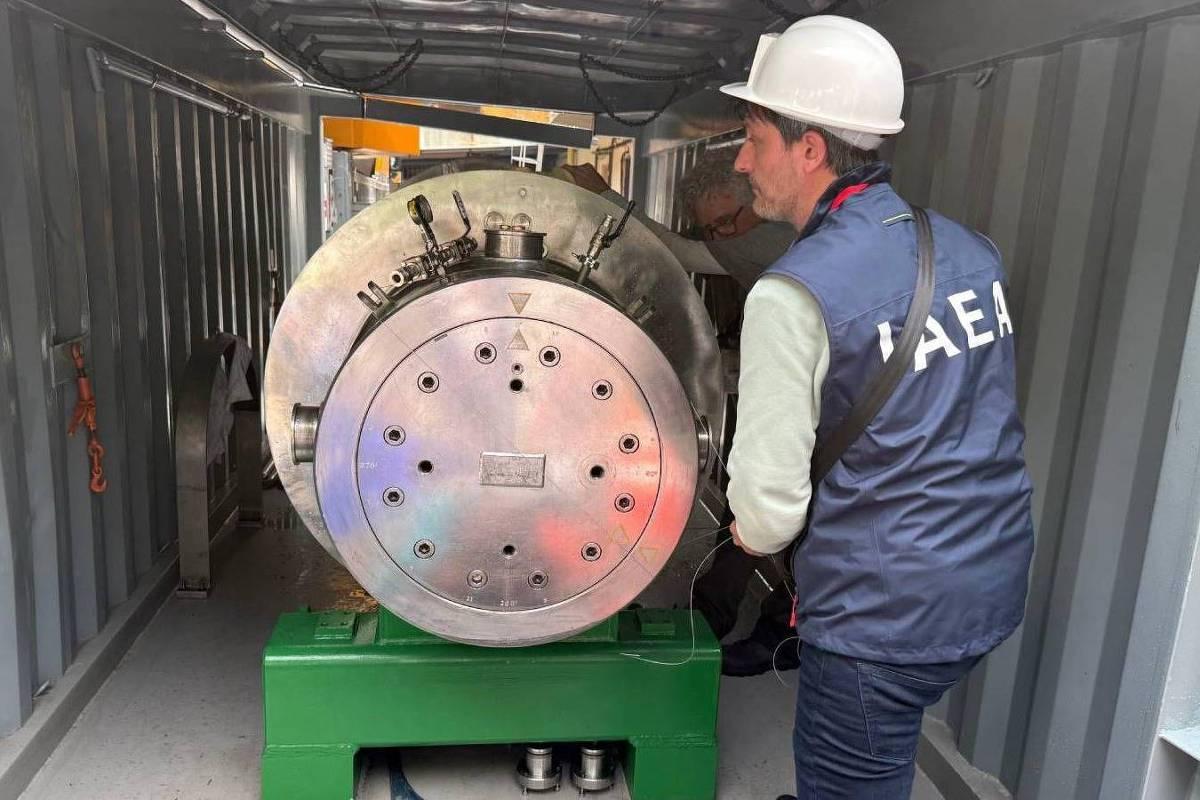
“On an April night toward the end of the month, a Venezuelan military convoy discreetly traveled the 160 km between the headquarters of the Instituto Venezolano de Investigaciones Científicas (Ivic, in Spanish) on the outskirts of Caracas and the port of Puerto Cabello in Carabobo state”
RFI says Chevron has been present in Venezuela since 1923 and that it stayed after 2007 oil nationalization by then-president Hugo Chávez and subsequent economic sanctions.
RFI reports that Donald Trump announced in late February 2025 the revocation of Chevron's license, which had been authorized since late 2022 by Joe Biden to resume limited activities, with the license later set to be de facto revoked in May before Trump changed his mind again in July.
RFI adds that under unilateral modifications introduced by the U.S. administration into the contract, Chevron can export 50% of what the joint ventures it operates with PDVSA produce, while the remaining 50% is paid to the Venezuelan government, which must export it on the black market.
RFI states that internal data from PDVSA show a crude-trading company linked to Ramon Carretero sold about $500 million worth of crude oil from the Petroboscán field since July.
Trump on Iran talks
La Tribune says Donald Trump announced a dramatic U-turn on Monday, calling for 'very good and productive discussions for a total cessation' of hostilities with Iran.
La Tribune reports that Trump said the discussions 'would continue this week' and that there was a 'five-day' delay to any strike he had threatened against power plants or energy infrastructure.
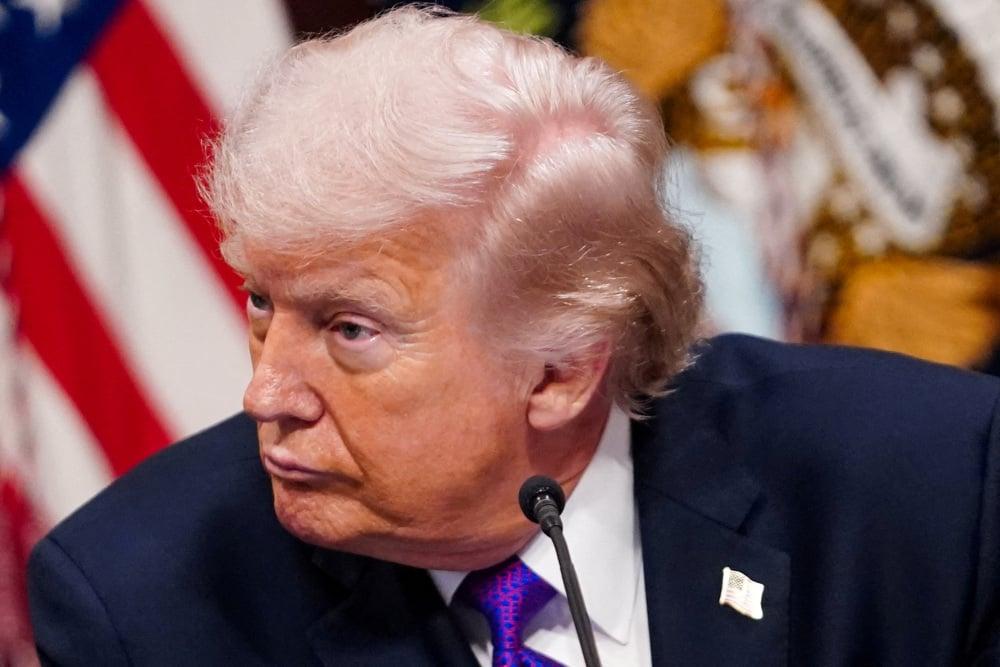
La Tribune adds that Trump gave Iran a 48-hour ultimatum on Saturday to reopen the Strait of Hormuz before striking Iran's energy infrastructure, and that Iran denied it while Mehr News Agency said there is 'no dialogue between Tehran and Washington.'
La Tribune also quotes Trump asserting that a 'regime change' is underway in Iran and that 'There is automatically a regime change' because 'all representatives of the regime have been killed,' before leaving Florida for a trip to Memphis.
La Tribune states that Trump threatened to 'continue to bomb Iran unabated' if talks failed and said he could not 'guarantee anything' about an end to hostilities, which began on February 28 with Israeli-American strikes followed by Iranian counterstrikes.
13 kg uranium to U.S.
Folha de S.Paulo reports that in an April night toward the end of the month, a Venezuelan military convoy traveled the 160 km between the Instituto Venezolano de Investigaciones Científicas (Ivic) on the outskirts of Caracas and the port of Puerto Cabello in Carabobo state.
“Venezuela: how Chevron defies sanctions, crises, and international rivalries to keep an eye on oil The oil company Chevron is at the heart of tensions between Venezuela and the United States”
Folha de S.Paulo says the escorted vehicle carried a container with about 13 kg of highly enriched uranium (concentration above 20%) en route to the United States.
Folha de S.Paulo reports that the operation involved the governments of Venezuela, the United States, and the United Kingdom, as well as the International Atomic Energy Agency (IAEA), and that in a statement released on May 8 the IAEA explained it was 'a jointly planned mission, carried out under strict security measures.'
Folha de S.Paulo quotes Jack Crawford, telling BBC Verify that 'The 13 kg of HEU withdrawn [from Venezuela] are, theoretically, sufficient to be refined later and to produce a small nuclear weapon.'
Folha de S.Paulo adds that the HEU had been used as fuel for RV-1, the first nuclear reactor in Latin America, installed in the early 1960s at the Instituto Venezolano de Investigaciones Científicas as part of the Atoms for Peace program launched by U.S. President Dwight Eisenhower in the 1950s.
More on Other
Israel Faces Unprecedented Isolation as Boycotts Widen and Sanctions Expand Across Europe
10 sources compared
Ukrainian Marine Drone Explodes Near Constanta Oil Terminal, Romania Reports No Casualties
21 sources compared

Bangladesh Foreign Minister Khalilur Rahman Defeats Cyprus’ Andreas Kakouris for UN General Assembly Presidency
12 sources compared

Conflicts and Violence Drove 32.3 Million New Internal Displacements in 2025, IDMC and NRC Say
11 sources compared